
Most people think of brushing their teeth as just a cosmetic or hygiene habit—but research now shows that poor oral hygiene can have deeper impacts on your daily energy and mental focus. Chronic inflammation, gum disease, and bacterial overgrowth in the mouth are silently linked to fatigue, brain fog, and even reduced cognitive performance. In this article, we delve into the science behind how poor oral hygiene impacts your energy levels, why it matters more than you think, and how smart toothbrushes like BrushO can help protect your body and brain.
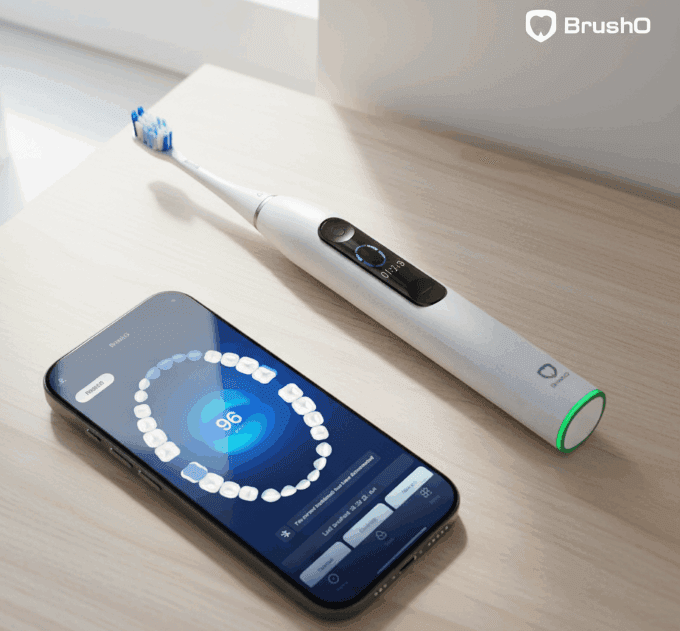
The mouth is more than just a gateway for food—it’s a key part of your systemic health. When you neglect oral care:
• Bacteria thrive, producing inflammatory toxins
• Your immune system becomes overactive, wasting energy
• Inflammation spreads beyond the gums via the bloodstream
• Your brain receives lower oxygen and nutrient delivery
These biological reactions may lead to:
• Brain fog and reduced attention span
• Daytime fatigue and low motivation
• Increased risk of neurodegenerative conditions (e.g., Alzheimer’s disease)
• Lower productivity and task performance
Studies have found that people with periodontal (gum) disease perform worse on memory and attention tasks. The link between chronic inflammation and cognitive decline is now well established in the fields of neurology and immunology.
Do you experience these symptoms?
| Symptom | Possible Cause |
| Constant low energy | Ongoing inflammation from gum disease |
| Trouble focusing | Bacterial toxins affecting brain pathways |
| Frequent headaches | Oral infection and jaw tension |
| Poor sleep quality | Gum inflammation and nighttime mouth breathing |
If you’re brushing irregularly or using an outdated toothbrush, your symptoms might be linked to oral issues you’ve overlooked.
Inconsistent brushing allows harmful bacteria to multiply. Use a smart toothbrush like BrushO to guide you through a complete 2-minute, 6-zone routine.
Flossing isn’t just about removing food—it removes bacteria trapped in gum pockets that trigger immune responses.
BrushO offers zone tracking, pressure monitoring, and post-brushing feedback to ensure complete cleaning without harming gums or enamel.
Dehydration and sugary foods feed bad bacteria. Water and a balanced diet improve both oral and brain health.
Track your brushing habits and how you feel throughout the day. You may notice that focus and energy improve as oral hygiene becomes consistent.
BrushO helps maintain not only a healthier mouth, but also:
🧠 Less inflammation = sharper thinking
⚡️ Energy conservation = better physical stamina
📈 Habit tracking = improved consistency
😁 Whiter smile = more confidence and positivity
The mouth-body-brain connection is real—and your toothbrush can play a surprising role in your overall well-being.
When we overlook oral care, we invite systemic problems that stretch far beyond cavities and breath. Science now confirms that oral inflammation contributes to fatigue and poor cognitive performance. Take control of your mouth to reclaim your energy, clarity, and productivity.

PPM describes concentration, not the amount to put on the brush. Learn how to read fluoride information while keeping regional guidance and individual advice in view.

That forgotten tube deserves a label check. Learn what toothpaste shelf-life information refers to, why storage matters, and how to avoid guessing from appearance.

Clear gel or opaque paste? Texture is only one feature. Learn which label details matter when comparing toothpastes for your brushing routine.

Minty toothpaste can create a cooling sensation without being chilled. Explore what menthol does and why a fresh feeling is different from complete cleaning.

The sound of a powered brush comes with its moving mechanism. Learn how normal operating noise differs from alerts or an unexpected change that needs checking.

Toothpaste on the mirror? Check when you switch the brush on and off, how you position it, and how to pause without rushing your routine.

A whitening brushing program and a bleaching treatment are different things. Learn how to interpret mode names, surface-stain claims, and realistic expectations.

A tiny cluster of bristles serves a different purpose from a full-size head. Learn where a single-tuft brush may fit into an individually recommended cleaning routine.

Angled tufts, different bristle heights, and the angle of your hand are separate design questions. Learn how to read a toothbrush-head description clearly.

A larger head is not an automatic shortcut to cleaner teeth. Learn how head size affects access, positioning, and the fit of your daily brushing routine.

Bauen Sie schnell und kostengünstig ein Netzwerk für Zahngesundheitsdaten auf, das jeder nutzen kann.
Bauen Sie schnell und kostengünstig ein Netzwerk für Zahngesundheitsdaten auf, das jeder nutzen kann.


Address: RM 1427, 14/F RADIO CITY 505, HENNESSY RD CAUSEWAY BAY, HONG KONG
Code: 000000
Phone: +852-53758652
Email: customerservice@brusho.com