How Smart Devices Integrate With Dental Care Apps
Jan 28

Jan 28
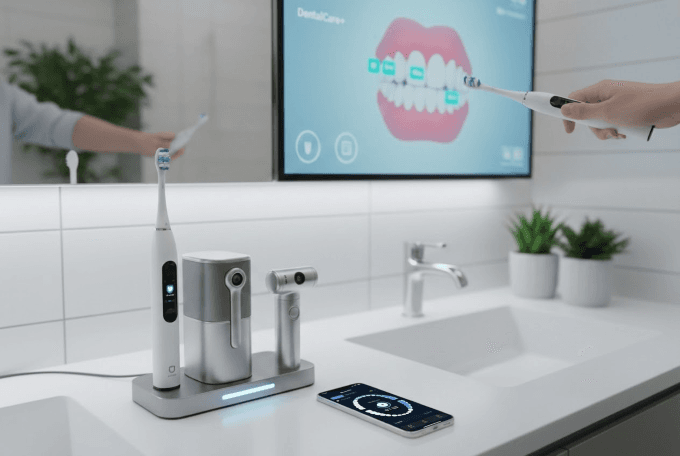
Smart toothbrushes paired with dental care apps, like BrushO’s smart toothbrush and companion app, redefine brushing by syncing real-time data via Bluetooth to offer personalized guidance, coverage tracking, progress reports, and motivation through gamified rewards. This integration transforms how users approach oral care, improving brushing technique, consistency, and long-term dental health with actionable insights and tailored recommendations.
 

The Power of Smart Device + App Integration

Modern oral care is evolving with smart technology that goes beyond simple brushing timers. Devices like the BrushO smart toothbrush connect seamlessly with dental care apps to provide an intelligent, data-driven brushing experience that helps users understand how they brush, not just that they brush. This fusion of hardware and software optimizes oral hygiene techniques, encourages better daily habits, and personalizes care in a way traditional toothbrushes cannot. By pairing your toothbrush with a dedicated app, brushing becomes an interactive experience where every session yields actionable feedback, progress tracking, and even tailored recommendations. For many users, this means a shift from guesswork to informed, effective oral care.
 

How Smart Toothbrushes Sync With Dental Care Apps

1. Bluetooth Pairing and Data Syncing

Integration begins with Bluetooth connectivity. After downloading the dental care app to your phone and enabling Bluetooth, your smart toothbrush automatically syncs data from each brushing session. Once connected, brushing metrics are sent to the app, creating a digital record of oral hygiene behavior. This connection empowers users to review detailed brushing analytics that go far beyond what a manual toothbrush or non-connected electric brush can provide. It turns your mobile device into a real-time dashboard for oral health.

2. Personalized Oral Profiles

When first setting up the app, users complete a brief oral health profile that includes sensitivity levels, whitening goals, gum care needs, and dental history. This allows the app’s AI engine to tailor suggestions and brushing guidance specifically to your mouth and dental care goals—something generic brushes cannot do. These profiles ensure the app doesn’t just track data—it interprets it in the context of your unique dental needs.
 

Core Features of Dental Care App Integration

1. Zone Coverage Monitoring and Feedback

Smart toothbrush systems like BrushO use advanced sensors and Fully Smart Brushing (FSB) technology to divide your mouth into multiple zones. During brushing, the app visualizes this data and alerts you if a zone is missed or under-cleaned, helping ensure comprehensive coverage. This real-time feedback helps users avoid common brushing mistakes—like ignoring back molars or inner tooth surfaces—by notifying them of missed areas instantly.

2. Real-Time Alerts During Brushing

Unlike traditional brushing, where you might not realize you’re applying too much pressure or missing zones, app integration immediately notifies you through visual cues or in-app indicators if something needs correction. These alerts encourage better technique while you brush, not just afterward. For example, if pressure is too high—potentially leading to gum damage—the system will signal you to adjust your technique.

3. Track Progress With Brushing Reports

Apps generate comprehensive weekly or monthly reports that show brushing duration, consistency, missed zones, pressure balance, and overall brushing scores. These insights help users track long-term habits and see improvements over time—similar to fitness apps that plot progress charts against goals. This kind of longitudinal tracking is especially useful before dental checkups, as it provides a documented brushing history you can share with your dentist.

4. Smart Suggestions Powered by AI

As more brushing data is collected, the app’s AI begins to generate smart suggestions—such as recommending brushing modes (e.g., sensitive, deep clean, whitening), suggesting adjustments for pressure, or highlighting zones needing greater attention. These suggestions evolve with your behavior and oral care goals, making the system adaptive rather than static. This level of personalization makes brushing more effective and efficient.

5. Gamified Motivation and Habit Building

Dental care apps often include motivation-driven features such as gamification and reward systems. For example, rewarding users with points for consistent brushing or high brushing scores encourages positive habits. Points can be redeemed for incentives like free brush heads or wellness challenges, making routine care more engaging and enjoyable. This behavioral reinforcement helps users, especially children and habit-challenged adults, maintain better long-term brushing consistency.

6. Integration With Teledentistry and Professional Care

With dental telehealth on the rise, some apps allow users to share brushing reports securely with their dentist. This enables remote monitoring of oral hygiene trends and allows professionals to make informed recommendations or adjustments without in-office visits. This future-oriented trend bridges everyday brushing and professional dental care.
 

Benefits of App-Connected Oral Care Systems

1. Improved Brushing Technique

By providing real-time feedback and tracking coverage, app integration ensures users brush more effectively every session.

2. Personalized Oral Hygiene Guidance

Tailored insights based on your dental profile mean care adapts to your specific needs.

3. Consistency and Habit Formation

Progress reports, habit streaks, and rewards foster motivation—helping users stick to recommended brushing routines.

4. More Informed Dental Checkups

Sharing brushing data with dental professionals supports preventative care and early issue detection.

5. Family Oral Care Management

Some apps allow multi-user tracking so parents can monitor children’s brushing habits or households can manage multiple profiles in one place.

A Smarter Future for Daily Oral Hygiene

Smart toothbrushes integrated with dental care apps like the BrushO system turn an ordinary routine into a scientifically informed, engaging oral care experience. By connecting brushing data with personalized insights, real-time coaching, and progress tracking, users gain a deeper understanding of their habits and how to improve them. This digital synergy empowers better brushes, better habits, and ultimately better long-term oral health—proving that technology, when thoughtfully designed, can make daily brushing smarter and more effective.

Aktuelle Beiträge

The cementoenamel junction is easy to stress

The cementoenamel junction is easy to stress

The cementoenamel junction is the narrow meeting line between crown and root, and it can become stressed when gum recession, abrasion, and acid leave that area more exposed than usual. Small daily habits often irritate this zone long before people understand why it feels sensitive.

Sweet lozenges can keep cavity risk active

Sweet lozenges can keep cavity risk active

Sugary cough drops and sweet lozenges can keep teeth bathed in sugar for long stretches, especially when people use them repeatedly, let them dissolve slowly, or keep them by the bed overnight. The cavity concern is not just the ingredient list but the prolonged oral exposure between brushings.

Pressure maps show when one side gets ignored

Pressure maps show when one side gets ignored

Many people brush with a hidden left-right bias created by hand dominance, mirror angle, and routine sequence. Pressure and coverage maps make that asymmetry visible so one side does not keep getting less time or a different amount of force.

Premolar cusps share work before molars do

Premolar cusps share work before molars do

Premolars sit between canines and molars for a reason. Their cusp shape helps transition the mouth from tearing food to grinding it, and that design changes how chewing force is shared before the heavy work reaches the molars.

Popcorn husks can inflame hidden gum edges

Popcorn husks can inflame hidden gum edges

A sharp popcorn husk can slip under one gum edge and irritate a single spot that suddenly feels sore, swollen, or tender. That focused irritation differs from generalized gum disease, and it usually responds best to calm cleanup, observation, and consistent plaque control instead of aggressive scrubbing.

Night dry mouth raises cavity pressure

Night dry mouth raises cavity pressure

A dry mouth during sleep gives plaque, acids, and food residue more time to linger on tooth surfaces, which can quietly raise cavity pressure even when a person brushes twice a day. The risk comes from reduced saliva protection overnight, not from one dramatic bedtime mistake.

Foamy toothpaste can hide light gum bleeding

Foamy toothpaste can hide light gum bleeding

Very foamy toothpaste and fast rinsing can make small amounts of gum bleeding harder to notice, especially when early irritation is mild. Slower observation during and after brushing helps people catch gum changes sooner and understand whether their routine is missing early warning signs.

Enamel rods help teeth resist daily bites

Enamel rods help teeth resist daily bites

Enamel rods are the tightly organized structural units that help tooth enamel spread routine chewing stress instead of behaving like a random brittle shell. Their arrangement adds everyday resilience, but it does not make enamel immune to wear, cracks, or erosion.

Cold medicines can dry the mouth by morning

Cold medicines can dry the mouth by morning

Common cold medicines, especially decongestants and antihistamines, can reduce saliva overnight and leave the mouth drier by morning. The main concern is not panic but routine: hydration, medicine timing, and more deliberate bedtime oral care can lower the quiet cavity and gum risk that comes with repeated dry nights.

Bedtime score alerts can catch skipped corners

Bedtime score alerts can catch skipped corners

Night brushing often happens when attention is fading. Bedtime score alerts and zone reminders can expose the small corners people miss when they are tired, helping them notice coverage gaps before those repeated misses turn into plaque hotspots.
