
Toothbrushing is more than a hygiene task—it’s a gateway to a healthier, more mindful lifestyle. In today’s fast-paced world, integrating oral care into your wellness routine can enhance both dental and mental health. With smart toothbrushes like BrushO, brushing becomes a personalized experience enriched by real-time feedback, habit tracking, and rewards. This article explores how you can transform your brushing routine into a rewarding wellness ritual through consistency, mindfulness, and the power of technology.
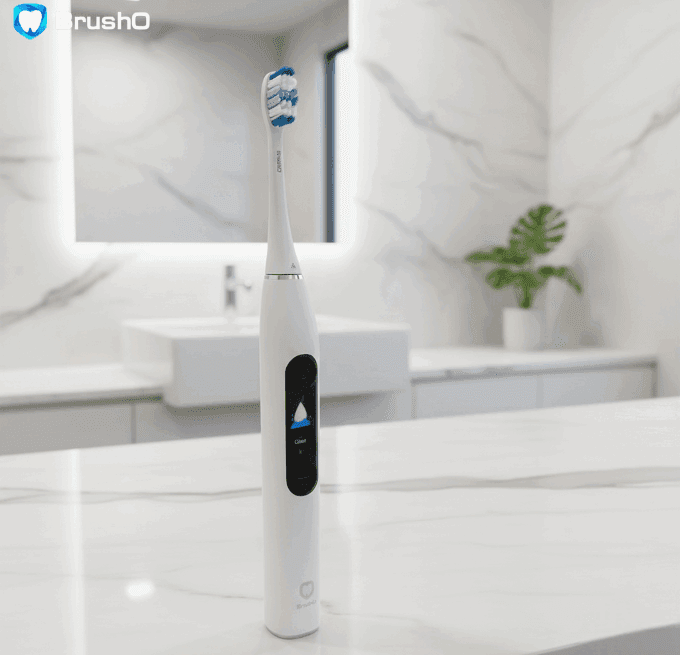
Toothbrushing has long been seen as a routine task—something we do automatically, often while multitasking or rushing out the door. But what if it could be more than that? Just as meditation, journaling, or morning walks are embraced as wellness habits, brushing your teeth can become a moment of mindfulness and self-care.
Your mouth is the gateway to your body, and consistent oral hygiene plays a key role in:
• Preventing cavities and gum disease
• Reducing inflammation that can affect heart health
• Improving digestive health
• Supporting mental well-being through routine and self-care
By framing brushing as part of a daily wellness habit, you’re more likely to give it the attention it deserves—and benefit from long-term health improvements.
Creating a habit that sticks involves three elements:
1. Cue – A trigger to begin the habit (e.g., waking up or finishing a meal)
2. Routine – The actual brushing action
3. Reward – A positive outcome or feeling after the activity
Smart toothbrushes like BrushO amplify all three:
• Cue: App reminders and brushing schedules
• Routine: Smart guidance, zone tracking, and custom modes
• Reward: “Brush & Earn” tokens that reinforce consistent behavior
Over time, this loop forms a positive reinforcement cycle, helping users stay engaged and motivated.
Mindful brushing means being present during the process. Instead of rushing through it, focus on:
• The motion and feel of the brush
• The sensation in your gums
• The aroma of the toothpaste
• Your breath and rhythm
BrushO enhances this experience by providing real-time feedback on your brushing technique, helping you stay in tune with your body. Features like pressure sensors and brushing reports increase awareness and reduce the risk of overbrushing or missed zones.
Wellness isn’t just about what you do—it’s also about enjoying the process. BrushO transforms brushing into a rewarding activity by offering:
• Digital tokens through “Brush & Earn”
• Achievement badges for brushing streaks
• Performance scores after each session
• Lifetime free brush heads as a reward for consistency
This gamified approach builds engagement and makes users look forward to brushing—not just as a task, but as a small win in their day.
Your brushing sessions can bookend your day with intention:
• Set the tone for the day with 2 minutes of mindful brushing
• Use motivational affirmations or pair with breathwork
• Let the refreshing clean feeling boost your confidence
• Wind down with a gentle brushing mode like “Gum Care”
• Use the routine as a cue to disconnect from screens and prepare for sleep
• Let it mark the end of your digital day and a step toward better rest
BrushO isn’t just a toothbrush—it’s a daily wellness companion, featuring:
• AI-powered 6-zone tracking for complete oral care
• Adaptive feedback that guides you to brush correctly and gently
• Custom brushing modes based on sensitivity and oral health needs
• Brushing reports that visualize progress and motivate improvement
• Reward systems that turn daily hygiene into tangible value
This intelligent approach helps you transition brushing from obligation to intentional self-care.
By embedding toothbrushing into your wellness lifestyle, you’ll see measurable results:
• Better oral hygiene and fewer dental issues
• Reduced gum inflammation and fresher breath
• Improved mood and sense of routine
• Stronger commitment to other health habits (e.g., hydration, sleep)
Oral care becomes more than physical—it becomes mental and emotional hygiene.
Transforming toothbrushing into a wellness habit doesn’t require a complete lifestyle overhaul—it simply needs intention, consistency, and the right tools. With AI toothbrushes like BrushO, you’re empowered to elevate a simple act into a meaningful daily ritual. Your smile, body, and mind will thank you.

Saliva has moved from the byproduct of the examination to the fluid that the modern practice can read, and the diagnostics that the salivary sample supports now reach from the caries risk to the periodontal inflammation and beyond. The fluid is easy to collect, safe to handle, and rich in the pro...

The narrow alveolar ridge is the common obstacle that the implant plan meets in the healed posterior site, and the ridge split technique is the approach that widens the crest without the block graft and the second surgical site. The technique uses the viscoelastic property of the bone, and the co...

The resin-bonded bridge is the conservative alternative to the conventional fixed prosthesis, and its place in the modern practice has widened as the adhesive dentistry matured. The prosthesis replaces the missing tooth with the minimal removal of the enamel from the abutment, and the retention i...

The systemic antibiotic has a defined and a narrow place in the periodontal therapy, and the clinician who respects its limits uses it well while the clinician who reaches for it routinely erodes both the result and the antibiotic stewardship. The mechanical debridement remains the foundation of ...

The bond failure of the bracket is the interruption that the fixed orthodontic treatment can tolerate in the small number but not in the pattern, and the clinician who understands the cause reduces the frequency that the repeated rebonding records. The failure that recurs on the single tooth poin...

The prescription pad is one of the most common sources of the oral complaint that the patient brings to the dental office, and the clinician who does not think of the medication may spend the appointment treating the symptom that the drug created. The list of the agents that affect the mouth grow...

The intraoral scanner has moved from the novelty of the early adopters to the standard equipment of the modern prosthodontic practice, and the comparison with the conventional impression has become a daily question rather than an academic one. The scanner captures the surface of the teeth and the...

The endodontic retreatment is the second chance that the tooth receives when the initial treatment fails to resolve the infection or the symptoms, and the procedure is both more demanding and more rewarding than the primary treatment. The clinician who retreats the tooth encounters the filling ma...

The access preparation is the gateway of every root canal treatment, and it is the step at which the outcome of the case is most often decided, for good or for ill. A well-designed access straightens the canal system, removes the coronal obstruction, and allows the instruments and the irrigants t...

The restoration that the laboratory returns is only as good as the information that the clinician sends, and the communication between the dentist and the technician is the step that determines whether the crown, the veneer, or the bridge meets the expectation of the patient. The shade, the form,...

Bauen Sie schnell und kostengünstig ein Netzwerk für Zahngesundheitsdaten auf, das jeder nutzen kann.
Bauen Sie schnell und kostengünstig ein Netzwerk für Zahngesundheitsdaten auf, das jeder nutzen kann.


Address: RM 1427, 14/F RADIO CITY 505, HENNESSY RD CAUSEWAY BAY, HONG KONG
Code: 000000
Phone: +852-53758652
Email: customerservice@brusho.com