
Gum health is more than a dental concern — it serves as a visible indicator of immune system function. Because the gums act as a frontline barrier between the external environment and the bloodstream, changes in immune response often appear here first. Persistent inflammation, slow healing, or bleeding gums may reflect systemic immune challenges rather than isolated oral issues. Understanding the biological connection between immune defense and periodontal tissue allows individuals to recognize early warning signs, improve preventive care, and adopt smarter hygiene practices that support both oral and whole-body health.
Gums are composed of highly vascularized soft tissue that constantly interacts with bacteria, food particles, and environmental pathogens. This makes them one of the body’s first immune defense zones.
Key roles include:
• Blocking bacterial entry into circulation
• Activating localized immune responses
• Signaling systemic inflammation
• Supporting microbial balance
Because of this constant exposure, immune irregularities often appear as gum changes before other symptoms develop.
When harmful bacteria accumulate, immune cells respond by:
• Releasing cytokines
• Increasing blood flow
• Triggering swelling and redness
This process helps neutralize pathogens but can damage tissue if prolonged.
Healthy immune response characteristics:
• Mild temporary inflammation
• Rapid healing
• Minimal bleeding
Imbalanced response characteristics:
• Chronic swelling
• Persistent bleeding
• Tissue breakdown
May indicate:
• Overactive inflammatory response
• Vitamin deficiency
• Reduced immune regulation
Often associated with:
• Immune suppression
• Chronic stress
• Metabolic conditions
Linked to systemic inflammatory load and immune imbalance, which research increasingly connects with:
• Cardiovascular health
• Metabolic disorders
• Autoimmune interactions
These signs warrant attention beyond cosmetic dental concerns.
Scientific research continues to demonstrate bidirectional relationships between gum health and systemic immunity.
Examples include:
• Periodontal inflammation elevating systemic inflammatory markers
• Oral bacteria entering circulation
• Immune dysregulation worsening gum breakdown
This reinforces the role of oral care in preventive health management.
Consistent plaque removal reduces immune burden and inflammatory activation.
Essential nutrients include:
• Vitamin C
• Vitamin D
• Zinc
• Omega-3 fatty acids
These support tissue repair and immune signaling.
Saliva contains immune components that regulate bacterial populations.
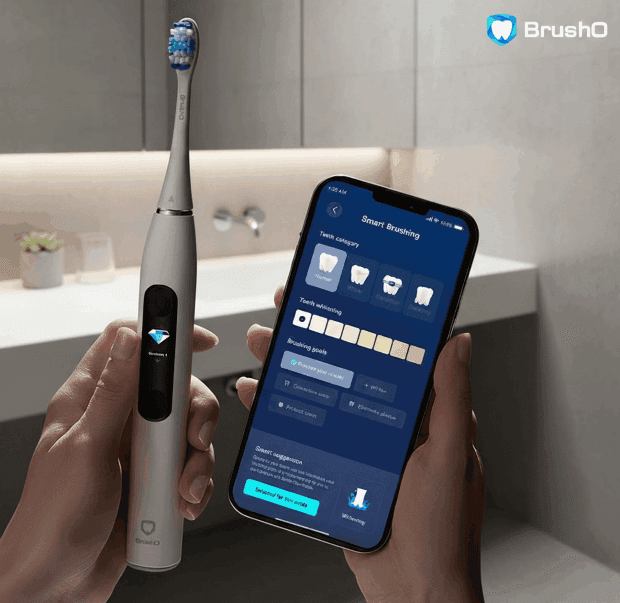
AI-guided brushing technologies like BrushO help reduce inflammatory triggers through improved hygiene precision.
Prevents tissue trauma that can worsen immune reactions.
Ensures complete bacterial removal along the gumlines.
Identify patterns linked to recurring inflammation.
Support gentle care for sensitive or vulnerable tissue.
These tools enable proactive gum protection aligned with immune health maintenance.
Persistent symptoms should not be ignored, especially if lasting beyond two weeks.
Consult dental professionals if experiencing:
• Ongoing bleeding
• Receding gums
• Chronic soreness
• Visible tissue changes
Early intervention prevents progression to periodontal disease.
Gums serve as an accessible window into immune system activity. Changes in color, sensitivity, or inflammation often reflect broader physiological responses rather than isolated dental issues. Recognizing these signals allows earlier lifestyle adjustments and professional care. Combining disciplined oral hygiene with intelligent monitoring tools such as BrushO supports both gum stability and systemic resilience. Protecting gum health ultimately contributes to maintaining immune balance and long-term wellness.
Feb 6
Feb 5

Back teeth can be awkward to reach when brushing triggers gagging. Try a smaller, calmer approach and ask for help if it keeps interrupting your routine.

Similar handles and crowded cups can make mornings confusing. A few clear identifiers and a little space can make everyone’s own brush easier to find.

A little leftover paste can dry around the opening. Clean the outside, close the cap properly, and avoid turning a small mess into a toothpaste experiment.

Your toothpaste does not have to taste strongly of mint. Look for a comfortable flavor while keeping the fluoride and age guidance that matter.

Feeling better does not automatically mean throwing away your toothbrush. Check its condition, keep it to yourself, and know when to ask for personal advice.

No time to let your toothbrush dry before checkout? Protect it for the journey, then unpack it promptly at your next stop.

First check what touched the floor and whether anything broke. A fresh brush or replacement head is the simplest cautious choice when bristles are contaminated.

The tube is empty and the shops are closed. Keep brushing, understand what is missing, and restock fluoride toothpaste as soon as you can.

A flat battery does not have to cancel brushing. Here is how to choose a sensible backup without treating every powered brush like a manual one.

At a hotel without your toothbrush? Try these temporary steps, find a simple replacement, and get back to your usual routine.

Bauen Sie schnell und kostengünstig ein Netzwerk für Zahngesundheitsdaten auf, das jeder nutzen kann.
Bauen Sie schnell und kostengünstig ein Netzwerk für Zahngesundheitsdaten auf, das jeder nutzen kann.


Address: RM 1427, 14/F RADIO CITY 505, HENNESSY RD CAUSEWAY BAY, HONG KONG
Code: 000000
Phone: +852-53758652
Email: customerservice@brusho.com