
Oral cancer often goes unnoticed until it reaches an advanced stage, yet early detection dramatically improves survival rates. From subtle symptoms like mouth sores to major risk factors such as tobacco use and poor hygiene, staying informed is key. Regular dental checkups, lifestyle changes, and consistent oral care with tools like BrushO’s AI-powered smart toothbrush can help reduce your risk. This guide explores how your daily brushing habits, when combined with oral cancer awareness, become a powerful defense for long-term health.
Oral cancer refers to cancers that can develop in any area of the mouth or throat, including:
• Lips
• Tongue
• Cheeks
• Gums
• Roof and floor of the mouth
• Persistent mouth sores that don’t heal
• White or red patches on oral tissues
• Unexplained lumps or thickened areas
• Chronic pain, numbness, or bleeding
• Difficulty chewing, swallowing, or moving the jaw
If you notice any of these symptoms for more than two weeks, seek a professional evaluation immediately.
Certain lifestyle and health factors significantly increase your risk:
• Tobacco Use: Smoking or chewing tobacco is one of the leading contributors.
• Alcohol Abuse: Excessive alcohol damages oral tissues and increases vulnerability.
• HPV Infection: Certain strains of human papillomavirus are linked to oral cancers.
• Poor Oral Hygiene: Chronic gum disease and untreated infections create a harmful environment.
• Sun Exposure: UV rays can contribute to lip cancer, especially without SPF protection.
By understanding and managing these risks, you can lower your chances of developing oral cancer.
Oral cancer has a high cure rate when diagnosed early. Detection efforts should include:
• Self-examination: Look for sores, discolorations, or growths in your mouth weekly.
• Routine dental visits: See your dentist at least twice a year for professional screenings.
• Symptom tracking: Don’t ignore persistent irritation or discomfort in your mouth or throat.
Early treatment is less invasive and more successful, making regular check-ups a literal lifesaver.
Maintaining oral hygiene supports overall tissue health, reduces inflammation, and helps you spot changes early. BrushO’s AI-powered smart toothbrush is a proactive tool in this effort.
• 360° Coverage Mapping: Ensures you clean every area, especially hard-to-reach gum lines.
• Custom Brushing Modes: Gentle settings for sensitive tissues to prevent gum trauma.
• Real-Time Feedback: Adjusts your technique to prevent overbrushing or missed zones.
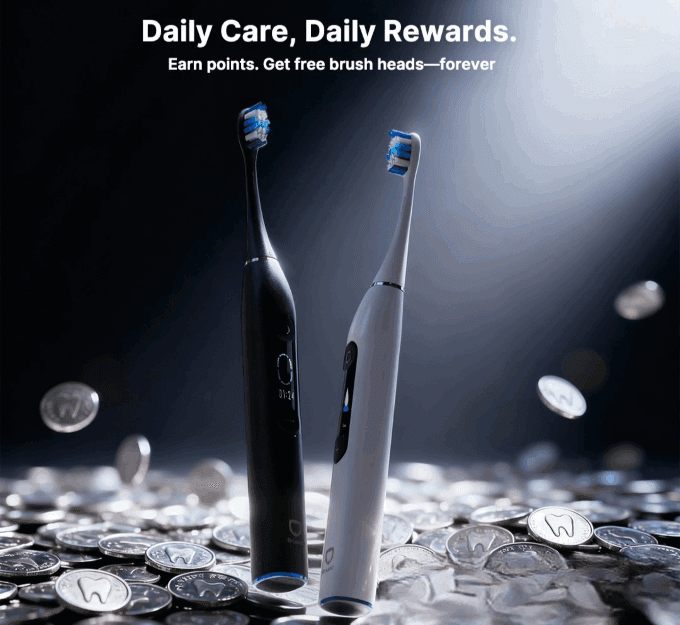
• Brushing Consistency Tracking: Build better habits and earn $BRUSH token rewards for motivation.
Daily brushing with intelligent guidance reduces bacterial buildup that contributes to chronic irritation—a known factor in oral cancer development.
Make these small changes for long-term protection:
• Quit Tobacco: Avoid all forms of smoking or chewing.
• Limit Alcohol: Stick to moderate levels to minimize tissue damage.
• Eat a Nutrient-Rich Diet: Antioxidants in fruits and vegetables boost immune response.
• Use SPF Lip Balm: Don’t overlook sun protection for your lips.
• Stay Hydrated: Water promotes saliva flow, your body’s natural mouth cleanser.
Oral cancer is serious—but it’s also preventable and treatable with early intervention. By staying aware of symptoms, getting regular checkups, and practicing smart oral hygiene with BrushO, you’re not only protecting your smile but also your life. Integrating advanced tools like smart toothbrushes into your routine ensures thorough cleaning, supports gum health, and encourages early detection—making your everyday brushing routine a frontline defense.
BrushO is an AI-powered smart toothbrush that personalizes your brushing routine, delivers real-time feedback, and promotes long-term oral health. With full-coverage tracking and habit rewards via $BRUSH tokens, BrushO makes it easier than ever to stay proactive with your oral care.

Fluoride in drinking water is the most cost-effective caries preventive measure in public health, and it is also the source of most avoidable fluoride exposure in young children. The balance between benefit and risk depends on concentration, on total intake from all sources and on the age of the ...

A mouthguard is the only piece of protective equipment that a dentist can prescribe, and the difference between the cheapest and the best version is often less than the cost of a single repair. This guide explains what each type of mouthguard actually protects, how to judge fit, and what to check...

Distinguishing reversible from irreversible pulpitis is the single most consequential decision in endodontic diagnosis, because one leads to a restoration and the other to root canal treatment or extraction. The distinction rests on symptoms and pulp testing rather than on radiographs alone, and ...

A pregnancy epulis is a benign overgrowth of gum tissue that appears during pregnancy, most often in the second or third trimester. It can alarm patients because it grows quickly and bleeds easily, yet in most cases it needs no surgery and settles after delivery. Understanding what drives the gro...

When several teeth are missing, the choice usually narrows to a removable partial denture or a fixed implant-supported restoration, and cost is the factor patients raise first. Upfront price is only part of the comparison, because the two options differ in maintenance, comfort, effects on neighbo...

Most root canal failures are not caused by inadequate cleaning of canals that were found, but by canals that were never located. Molar anatomy varies widely, and the variation is not random: specific teeth in specific populations have predictable additional canals. Knowing where they hide is the ...

Gum massage is one of the oldest recommendations in oral care and one of the least understood. It has been described as a treatment for bleeding gums, a route to firmer tissue and, more recently, a way to reduce brushing force. This article separates the mechanisms that are supported by physiolog...

Interdental cleaning is the part of oral hygiene most people abandon first, and the choice between a floss pick and a length of string floss is often made on convenience. Convenience matters, because a tool that is used daily outperforms a superior tool that stays in the drawer, but the two devic...

Dementia changes the way a denture is worn, cleaned and tolerated, and the people who notice the change first are usually family carers rather than clinicians. Poor denture hygiene in this group is associated with mucosal infection, reduced food intake and, in frail patients, respiratory complica...

Chewing tobacco keeps nicotine and plant irritants in prolonged contact with a small area of mucosa, and the damage that results is concentrated exactly where the quid is held. The lesions that develop are often painless, which is why they are discovered during routine examination rather than bec...

Bauen Sie schnell und kostengünstig ein Netzwerk für Zahngesundheitsdaten auf, das jeder nutzen kann.
Bauen Sie schnell und kostengünstig ein Netzwerk für Zahngesundheitsdaten auf, das jeder nutzen kann.


Address: RM 1427, 14/F RADIO CITY 505, HENNESSY RD CAUSEWAY BAY, HONG KONG
Code: 000000
Phone: +852-53758652
Email: customerservice@brusho.com