
Brushing before bed is one of the most essential oral hygiene practices, yet millions neglect it regularly. This article explores the psychological, behavioral, and biological reasons why some people skip brushing at night. From sleep inertia to stress and false assumptions about cleanliness, we break down the real obstacles behind this neglected habit. Most importantly, we offer realistic, science-backed solutions—including how AI-powered toothbrushes like BrushO can gently nudge users toward healthier routines.
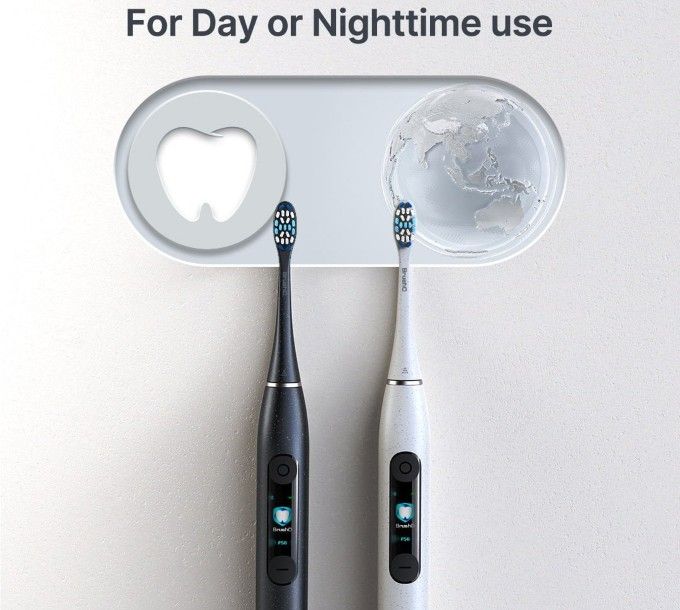
By the end of the day, many people are simply too tired. Once they’ve settled into bed or the couch, brushing feels like too much effort—even for those who are usually health-conscious.
Decision fatigue is real. After a long day of constant choices, your brain may resist “one more task”—even a simple one. The later it gets, the more your cognitive resistance builds.
Some believe that if they haven’t eaten since dinner, there’s no need to brush again. In reality, oral bacteria thrive overnight, and saliva production slows down—making nighttime brushing even more important.
Late-night work, social events, travel, or parenting interruptions can throw off routines. The lack of structure leads to forgotten or intentionally skipped brushing.
• Bacteria Multiply Rapidly at Night: Saliva flow reduces during sleep, creating a dry environment where bacteria flourish.
• Increased Risk of Cavities and Gum Disease: Skipping brushing allows food particles and plaque to sit undisturbed for 7–9 hours.
• Morning Breath Worsens: Unbrushed teeth mean higher bacteria levels, which worsen halitosis by the morning.
Link brushing with another nightly habit like skincare, taking supplements, or setting an alarm. Repetition builds association.
You don’t have to wait until you’re about to fall asleep. Brushing after your last meal—even an hour or two before bed—is still effective.
Smart toothbrushes like BrushO come with app-based alerts and tracking features that remind users to brush—even sending gentle nudges if skipped.
BrushO’s Brush & Earn system turns brushing into a rewarding habit. With score-based brushing and reward tracking, users stay motivated—even when tired.
• App Nudges & Habit Tracking: Set bedtime reminders and track nightly consistency.
• AI Feedback: Know if you’re rushing or missing zones with end-of-day brushing reports.
• Child Mode for Families: Parents can track if kids brushed, making evening routines smoother.
Skipping nighttime brushing seems minor—but it accumulates into long-term damage. Recognizing the psychological and situational reasons is the first step. With the help of smarter tools like BrushO, even the most forgetful or exhausted users can maintain strong oral care routines.
Dec 29
Dec 29

Fluoride in drinking water is the most cost-effective caries preventive measure in public health, and it is also the source of most avoidable fluoride exposure in young children. The balance between benefit and risk depends on concentration, on total intake from all sources and on the age of the ...

A mouthguard is the only piece of protective equipment that a dentist can prescribe, and the difference between the cheapest and the best version is often less than the cost of a single repair. This guide explains what each type of mouthguard actually protects, how to judge fit, and what to check...

Distinguishing reversible from irreversible pulpitis is the single most consequential decision in endodontic diagnosis, because one leads to a restoration and the other to root canal treatment or extraction. The distinction rests on symptoms and pulp testing rather than on radiographs alone, and ...

A pregnancy epulis is a benign overgrowth of gum tissue that appears during pregnancy, most often in the second or third trimester. It can alarm patients because it grows quickly and bleeds easily, yet in most cases it needs no surgery and settles after delivery. Understanding what drives the gro...

When several teeth are missing, the choice usually narrows to a removable partial denture or a fixed implant-supported restoration, and cost is the factor patients raise first. Upfront price is only part of the comparison, because the two options differ in maintenance, comfort, effects on neighbo...

Most root canal failures are not caused by inadequate cleaning of canals that were found, but by canals that were never located. Molar anatomy varies widely, and the variation is not random: specific teeth in specific populations have predictable additional canals. Knowing where they hide is the ...

Gum massage is one of the oldest recommendations in oral care and one of the least understood. It has been described as a treatment for bleeding gums, a route to firmer tissue and, more recently, a way to reduce brushing force. This article separates the mechanisms that are supported by physiolog...

Interdental cleaning is the part of oral hygiene most people abandon first, and the choice between a floss pick and a length of string floss is often made on convenience. Convenience matters, because a tool that is used daily outperforms a superior tool that stays in the drawer, but the two devic...

Dementia changes the way a denture is worn, cleaned and tolerated, and the people who notice the change first are usually family carers rather than clinicians. Poor denture hygiene in this group is associated with mucosal infection, reduced food intake and, in frail patients, respiratory complica...

Chewing tobacco keeps nicotine and plant irritants in prolonged contact with a small area of mucosa, and the damage that results is concentrated exactly where the quid is held. The lesions that develop are often painless, which is why they are discovered during routine examination rather than bec...

Bauen Sie schnell und kostengünstig ein Netzwerk für Zahngesundheitsdaten auf, das jeder nutzen kann.
Bauen Sie schnell und kostengünstig ein Netzwerk für Zahngesundheitsdaten auf, das jeder nutzen kann.


Address: RM 1427, 14/F RADIO CITY 505, HENNESSY RD CAUSEWAY BAY, HONG KONG
Code: 000000
Phone: +852-53758652
Email: customerservice@brusho.com