
You probably associate your desk job with back pain or eye strain. But did you know your daily 9-to-5 can also affect your oral hygiene? From long hours of sitting to constant snacking, desk jobs often encourage habits that quietly damage your teeth and gums. Here’s how your office lifestyle could be sabotaging your smile — and what you can do to protect it.
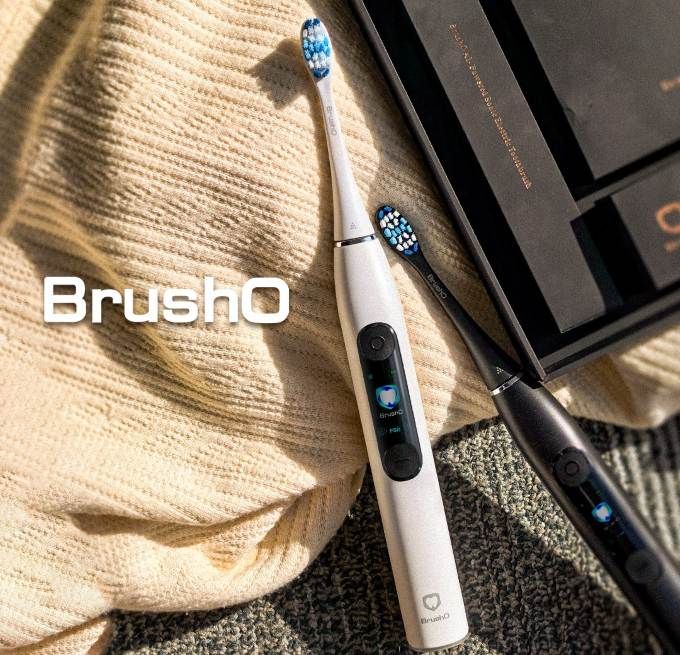
Many desk workers sip coffee, energy drinks, or soda throughout the day and snack on sugary or processed foods. This creates the perfect environment for plaque to thrive.
• Sugar fuels bacteria that erode enamel.
• Snacking reduces saliva production, which normally neutralizes acids.
• Sticky foods cling to teeth, increasing the risk of cavities.
Tip: Keep water at your desk and opt for tooth-friendly snacks like nuts or cheese.
Deadlines, emails, and long meetings — office stress is real. Many people grind their teeth or clench their jaw without realizing it, especially during high-pressure tasks.
• Worn enamel and tooth fractures
• Headaches and jaw pain
• Increased tooth sensitivity
BrushO Tip: Use BrushO’s pressure monitoring system to detect signs of grinding. If your brushing habits show increased pressure, it may be a red flag.
Slouching at your desk doesn’t just hurt your back — it can actually affect the alignment of your jaw over time. Forward head posture and neck tension can contribute to jaw misalignment and temporomandibular joint (TMJ) issues.
• Clicking or popping jaw
• Uneven bite
• Jaw fatigue
Prevent it: Improve your posture and take regular stretch breaks to reduce strain.
Few people brush after lunch in the office — often because they forget, feel awkward, or don’t have a convenient setup.
• Food residue stays on your teeth for hours.
• Acidic foods weaken enamel and leave it vulnerable.
• Skipping daytime brushing allows plaque buildup.
Solution: Keep a compact toothbrush and travel toothpaste at your desk, or use mouthwash if brushing isn’t possible.
When you’re busy with emails and meetings, it’s easy to ignore:
• Gum bleeding
• Bad breath
• Tooth discomfort
These early symptoms of gum disease and decay often go unnoticed until it’s too late.
BrushO Advantage: BrushO gives daily feedback via heatmaps and brushing scores, helping you detect and correct problem areas early — before they turn into dentist visits.
Even with a packed schedule, BrushO makes it easier to stay on top of your oral hygiene:
• AI-powered brushing feedback: Know if you’re brushing too hard or missing zones.
• Custom modes: Choose “Gum Care” or “Deep Clean” based on your oral condition.
• Habit tracking: Sync with your schedule, even if you brush late or after long work hours.
With BrushO, your brushing routine works with your busy lifestyle — not against it.
Your desk job doesn’t have to harm your oral health. With better habits and smarter tools like BrushO, you can prevent long-term damage — one two-minute session at a time.
✅ Watch your snacking habits
✅ Improve posture
✅ Brush after meals
✅ Monitor stress
✅ Use BrushO for smarter brushing
BrushO is an AI-powered smart toothbrush designed to help users brush better, smarter, and healthier. With zone-by-zone feedback, real-time pressure tracking, and personalized brushing scores, BrushO transforms oral hygiene into a precision-guided, habit-building experience for modern lifestyles.

A review of evidence-based preventive strategies in dentistry including topical fluoride applications, pit and fissure sealants, remineralization therapies, and community-level caries prevention programs.

An in-depth look at surgical periodontal therapy including modified Widman flap, osseous resective surgery, guided tissue regeneration (GTR), bone grafting materials, and soft tissue grafting for mucogingival defects.

An overview of cone-beam computed tomography (CBCT) applications in modern dentistry, covering diagnostic capabilities, radiation dose considerations, and integration with digital treatment planning workflows.

A clinical guide to dental anesthesia modalities including local infiltration, nerve blocks, nitrous oxide sedation, IV sedation, and general anesthesia. Discusses patient assessment, safety protocols, and managing dental anxiety.

A comprehensive comparison of porcelain veneers and composite bonding techniques for aesthetic smile design. Covers indications, longevity, cost considerations, preparation requirements, and clinical outcomes for anterior teeth restoration.

A detailed classification and diagnostic guide for non-carious tooth surface loss. Covers etiology, clinical features, and management strategies for each type of tooth wear, including the Tooth Wear Evaluation System (TWES) and contemporary restorative approaches.

An evidence-based guide to the diagnosis and classification of temporomandibular disorders using the DC/TMD criteria. Covers conservative management strategies including occlusal splint therapy, physical therapy, pharmacotherapy, and behavioral interventions, with systematic review data on treatment efficacy.

A systematic overview of full-mouth rehabilitation concepts including occlusal analysis, vertical dimension determination, diagnostic wax-up, and phased treatment sequencing. Discusses contemporary digital workflows and material selection for complex prosthodontic cases.

A practical guide to opportunistic oral cancer screening in general dental practice. Reviews risk factors, clinical features of potentially malignant disorders, adjunctive screening technologies, and biopsy protocols to improve early detection rates and patient survival.

A comprehensive review of the biological mechanisms underlying osseointegration, from initial blood clot formation and protein adsorption to bone remodeling. Examines modern implant surface technologies including SLA, anodization, hydroxyapatite coatings, and nanostructured surfaces, with evidence-based comparisons of clinical outcomes.

Build an oral health data network quickly and at low cost in a way that everyone can build.


Address: RM 1427, 14/F RADIO CITY 505, HENNESSY RD CAUSEWAY BAY, HONG KONG
Code: 000000
Phone: +852-53758652
Email: customerservice@brusho.com