
Pregnancy is a transformative journey, not just for the body but also for oral health. Hormonal fluctuations can cause unexpected changes in the mouth, increasing the risk of gum disease, enamel erosion, and other dental complications. Understanding these changes helps expectant mothers maintain optimal oral hygiene during this crucial stage of life.
During pregnancy, estrogen and progesterone levels surge. These hormones don’t just support fetal development—they also affect how your gums and immune system respond to plaque.
• Pregnancy Gingivitis: Up to 70% of pregnant women experience swollen, tender gums that bleed easily due to heightened sensitivity to plaque.
• Periodontal Disease Risk: Untreated gingivitis can evolve into more severe gum disease, which has been linked to low birth weight and premature birth in some studies.
• Enamel Erosion and Morning Sickness: Frequent vomiting from morning sickness exposes teeth to stomach acids, increasing enamel erosion.
Expectant mothers may experience several unexpected dental symptoms. These include:
Often, the earliest and most common symptom. The inflamed gums are more reactive to even small amounts of plaque.
Some women notice their teeth feel looser. While usually temporary, it’s a sign that connective tissues are under hormonal influence.
These small, benign growths on the gums are triggered by plaque and hormonal shifts. They often appear in the second trimester and disappear postpartum.
Many women avoid the dentist while pregnant, fearing procedures may harm the baby. However, routine dental care is not only safe—it’s recommended.
• First Trimester: Focus on hygiene and preventive care. Inform your dentist about your pregnancy.
• Second Trimester: Ideal time for cleanings or minor treatments.
• Third Trimester: Avoid lying flat for long periods; limit care to essential procedures.
Note: Always consult with your obstetrician before undergoing any dental treatment.
Even small changes can have a lasting impact on oral and overall health:
• Brush twice daily with fluoride toothpaste.
• Floss gently once per day.
• Rinse with water or a mild mouthwash after morning sickness.
• Stay hydrated to prevent dry mouth.
• Maintain regular dental visits.
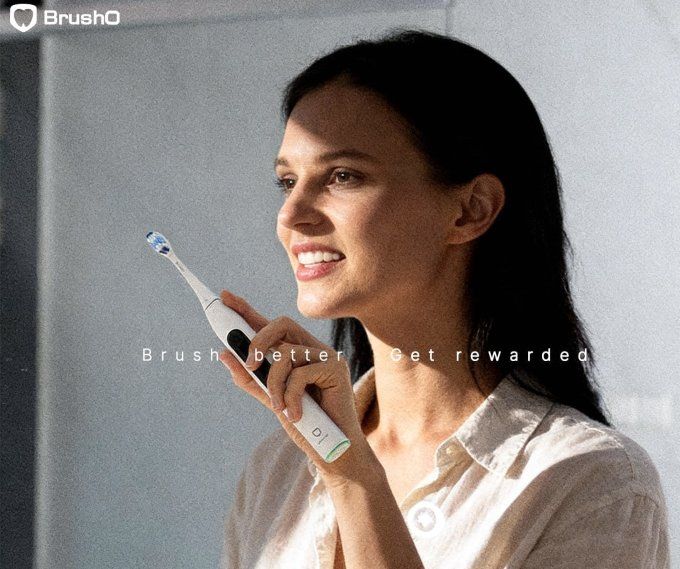
BrushO’s AI-powered technology makes it easier for expecting mothers to keep up with oral hygiene—especially during fatigue or nausea.
• Gentle Pressure Feedback: Prevents brushing too hard on sensitive gums.
• Custom Modes: Switch to “Gum Care” mode for a softer yet effective clean.
• Daily Reports: Helps maintain brushing consistency despite hormonal ups and downs.
• Motivational Rewards: Boosts adherence by rewarding every session.
Pregnancy is a powerful reminder that oral health is interconnected with overall wellness. By staying informed and proactive, women can safeguard their smiles and their babies’ health. With supportive tools like BrushO, maintaining a healthy brushing routine becomes simpler, safer, and more effective during this life-changing journey.

Hyperdontia is the presence of one or more teeth in excess of the normal dental formula, and the resulting teeth are described as supernumerary. The condition is common enough to appear in routine practice but variable enough in presentation that the decision to intervene is rarely straightforwar...

Few patients complete orthodontic treatment without asking whether their teeth will move back. The honest answer is that they will, to some degree, in the majority of cases. Relapse is not a failure of treatment but a predictable biological response, and understanding why it happens is the basis ...

The mandible is the largest and most frequently fractured bone of the facial skeleton, and its management sits at the interface between trauma surgery and restorative dentistry. Treatment has shifted over four decades from prolonged maxillomandibular fixation towards rigid internal fixation with ...

Chronic liver disease affects hundreds of millions of people worldwide, and its prevalence continues to rise with the epidemic of metabolic liver disease. The liver is central to haemostasis, drug metabolism and immune competence, and its failure therefore alters the risk profile of almost every ...

Excessive gingival display, commonly described as a gummy smile, is one of the most frequent aesthetic concerns presented to dental practitioners. The condition is not a single entity but a clinical presentation that can arise from skeletal, gingival, muscular or dental factors, and the treatment...

Drug-induced gingival overgrowth is a well-recognised adverse effect of several widely prescribed medications, and it remains one of the most common drug-related findings in periodontal practice. The condition produces firm, fibrous enlargement of the gingiva that can interfere with speech, masti...

Denture stomatitis is an inflammatory condition of the denture-bearing mucosa that affects a large proportion of removable prosthesis wearers, yet it is frequently dismissed as a cosmetic annoyance. The condition is driven by a Candida biofilm on the fitting surface of the prosthesis, and it is m...

Chronic kidney disease affects an estimated 850 million people worldwide, and the number of patients surviving on dialysis or with a renal transplant continues to rise. These patients carry an oral disease burden that is substantially higher than that of the general population, and their medical ...

Angular cheilitis is an inflammatory lesion of the labial commissures that presents with erythema, fissuring and crusting at the corners of the mouth. It is one of the most common conditions encountered in general dental practice, yet it is frequently treated as a simple fungal infection and allo...

Adverse reactions to dental materials are uncommon but they are not rare, and they are frequently misdiagnosed because the oral mucosa responds to allergens in a limited number of ways. A burning sensation, a persistent ulcer or an unexplained area of erythema may all represent a hypersensitivity...

Build an oral health data network quickly and at low cost in a way that everyone can build.


Address: RM 1427, 14/F RADIO CITY 505, HENNESSY RD CAUSEWAY BAY, HONG KONG
Code: 000000
Phone: +852-53758652
Email: customerservice@brusho.com