
Dental plaque may be invisible at first, but it plays a central role in nearly every oral health problem—from bad breath and cavities to gum disease and tooth loss. In this article, we’ll explore the science behind plaque formation, how lifestyle choices affect it, and how smart toothbrushes like BrushO help stop plaque before it causes lasting harm. Whether you’re brushing for prevention or recovery, understanding plaque is the foundation of a healthier smile.
Dental plaque is a soft, sticky film that forms on your teeth every single day. It’s made up of:
• Bacteria (especially Streptococcus mutans)
• Saliva proteins
• Food particles and sugars
Plaque begins forming within minutes after brushing and can harden into tartar if not removed within 24–72 hours.
Right after brushing, your teeth are coated by a thin protein layer from your saliva called the acquired pellicle. This layer protects enamel but also creates a surface for bacteria to attach.
Oral bacterial adhere to the pellicle and begin feeding on leftover sugars from food and drinks. They multiply rapidly and produce acids and sticky substances called extracellular polysaccharides.
As the bacteria colony grows, it forms a structured biofilm—what we call plaque. The biofilm becomes increasingly acidic and resistant to removal.
If plaque is not removed in time, it calcifies due to minerals in your saliva, forming tartar (calculus), which can only be removed professionally.
Unchecked plaque leads to:
• Cavities: Acids demineralize enamel and dentin.
• Gum Disease: Bacteria trigger inflammation, bleeding, and gum recession.
• Halitosis: Volatile sulfur compounds from bacterial breakdown cause bad breath.
• Systemic Health Risks: Chronic gum inflammation has been linked to heart disease, diabetes, and even Alzheimer’s.
Plaque tends to accumulate in hard-to-reach areas:
• Between teeth (interdental spaces)
• Along the gumline
• Behind molars
• On tongue surfaces
• Around dental restorations and braces
That’s why traditional brushing habits often leave key areas untreated.
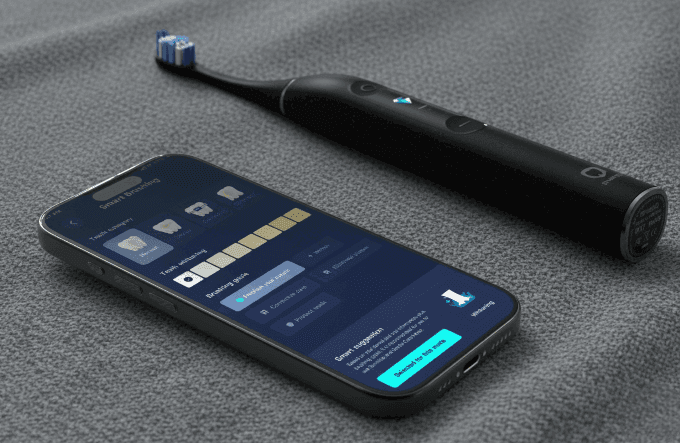
BrushO’s advanced sensors and algorithm analyze:
• Brushing zones (6-zone, 16-surface tracking)
• Coverage (to ensure no area is missed)
• Pressure (to prevent gum and enamel damage)
• Timing (to meet the full 2-minute guideline)
The BrushO app provides real-time feedback and daily brushing scores, making plaque removal more accurate and consistent than ever.
• Floss Daily: Only floss can remove plaque between teeth.
• Use Fluoride Toothpaste: Fluoride strengthens enamel and prevents bacterial acid erosion.
• Brush Before Bed: Saliva flow decreases at night, making plaque more damaging.
• Limit Sugar & Starch Intake: Less fuel for bacteria means slower plaque growth.
• Hydrate Often: Water helps wash away debris and neutralize acids.
• Regular Dental Cleanings: Remove hardened tartar and monitor early signs of buildup.
Unlike manual brushing that relies on guesswork, BrushO uses data to enhance oral hygiene routines. You receive:
• Zone-specific guidance
• Real-time feedback on pressure and duration
• Long-term habit tracking and brushing scores
• Motivation via the BrushO Reward System, turning consistency into redeemable points
Plaque may be invisible, but its impact is very real. Left untreated, it leads to cavities, gum disease, and long-term oral health problems. But with modern smart brushing tools like BrushO, you can disrupt plaque formation early, ensure full-mouth coverage, and protect your smile for life.
Jan 27
Jan 27

The uncontrolled hypertension is the condition that the dental practice meets in the patient who presents with the elevated pressure that the guideline does not permit for the elective treatment, and the management of this patient requires the deferral of the dental procedure and the referral to ...

The closure of the extraction space in the orthodontic treatment is the phase that demands the careful selection of the mechanics and the monitoring of the force that the appliance delivers. The sliding mechanics that rely on the continuous archwire and the power chain that connects the brackets ...

The transverse discrepancy of the maxilla is the problem that the crowding and the posterior crossbite often hide, and the maxillary expansion is the treatment that addresses the width of the arch rather than the position of the individual tooth. The clinician who diagnoses the constriction early...

The local anaesthesia is the daily procedure that the modern dentistry treats as the routine, and the complications that follow it range from the transient and the trivial to the permanent and the serious. The clinician who injects by the habit without the anatomy in the mind is the clinician who...

The hypertension is the condition that the dental practice meets in the every day, and the patient who carries the elevated pressure without the symptoms is the patient who presents the risk that the chair-side measurement reveals. The dental team occupies the position that no other profession ho...

The glass-ceramic crown has become the default restoration for the anterior and the many posterior teeth, and the material selection within the family is the decision that determines the strength, the aesthetics, and the longevity of the result. The lithium disilicate, the leucite, and the zircon...

The dental phobia is the extreme form of the dental fear that prevents the patient from attending the treatment that the oral health requires, and the management of the phobia demands the skill that extends beyond the routine behaviour guidance. The systematic desensitization, the exposure therap...

The dental fear of the child is the condition that shapes the attitude for the lifetime, and the clinician who manages the first visits with the skill builds the patient who attends the recall without the dread. The fear that the child develops follows the many sources, and the practice that reco...

The patient with controlled hypertension is the patient who requires the dental care that the oral health demands and the treatment that the blood pressure permits, and the clinician who manages the controlled case safely follows the guideline that the evidence supports. The controlled hypertensi...

The ceramic veneer is the restoration that the aesthetic dentistry depends on, and the bond that retains the veneer on the enamel is the critical link that determines whether the restoration survives the function or fractures and debonds. The clinical technique from the preparation to the cementa...

Construir rápidamente y a bajo costo una red de datos sobre salud bucal de una manera que todos puedan construir.
Construir rápidamente y a bajo costo una red de datos sobre salud bucal de una manera que todos puedan construir.


Address: RM 1427, 14/F RADIO CITY 505, HENNESSY RD CAUSEWAY BAY, HONG KONG
Code: 000000
Phone: +852-53758652
Email: customerservice@brusho.com