
Many patients only see their dentist twice a year—but what happens between those visits can make or break your oral health. Dentists often see the same avoidable issues over and over again: gum inflammation, hidden cavities, improper brushing technique, and neglected oral habits. If your dentist could whisper a few truths to you, here’s what they’d want you to know to protect your teeth for life.
Most people think brushing is just a quick two-minute task. But:
• Technique matters more than time.
• Using too much pressure can erode enamel and hurt your gums.
• Missing back teeth and inner surfaces leave plaque behind.
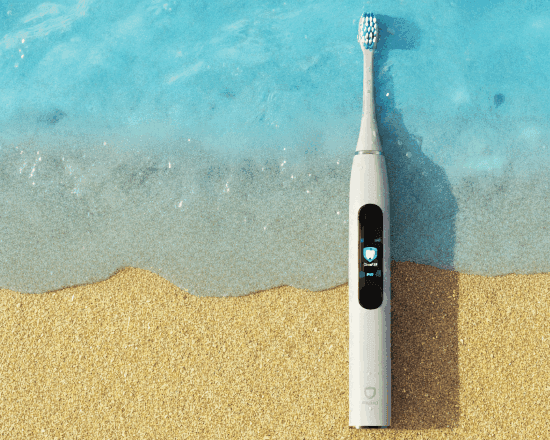
🧠 Pro Tip: A smart toothbrush like BrushO uses AI to monitor your brushing angles, pressure, and coverage so you get dentist-level precision at home.
If your gums bleed when brushing or flossing, it’s not just “sensitive gums”—it’s often the early stage of gum disease. Left untreated, this can progress to periodontitis, leading to tooth loss.
🔍 Dentists wish more patients treated bleeding as a red flag, not a routine occurrence.
Flossing isn’t just for removing food; it:
• Cleans the 40% of tooth surface your brush can’t reach
• Helps prevent cavities between teeth
• Protects your gums from bacteria buildup
Even with a smart toothbrush, manual or water flossing remains essential.
Regular check-ups help catch:
• Micro-cracks in enamel before they become cavities
• Early signs of oral cancer
• Jaw misalignments and teeth grinding you may not notice
🗓️ Your dentist isn’t just cleaning—they’re screening your entire oral system.
Overuse of whitening strips, toothpaste, and mouthwashes can:
• Weaken enamel
• Increase tooth sensitivity
• Irritate gums
💡 Whitening should be supervised by your dentist—or at least done in moderation.
Chronic bad breath is often linked to:
• Gum disease
• Dry mouth
• Poor brushing technique
• Tongue bacteria
Brushing your tongue and staying hydrated can drastically improve your breath.
Dentists are excited about AI-powered brushing tools like BrushO, which:
• Give real-time pressure alerts
• Track brushing zones
• Generate daily brushing scores
• Build better habits through app-based guidance
📱 These innovations empower patients to take control between appointments.
Dentists wish patients understood how:
• Sugary snacks = cavity fuel
• Acidic drinks (soda, citrus) = enamel erosion
• Frequent snacking = no time for enamel to recover
🍏 A tooth-friendly diet includes calcium-rich foods, crunchy veggies, and lots of water.
Your dentist isn’t just trying to nag you—they want to empower you. With the right knowledge, tools, and habits, you can prevent 90% of common dental issues before they even start. Take their silent advice seriously, and your smile will thank you.
BrushO is an AI-powered smart toothbrush designed to turn brushing into a precise, data-driven habit. With features like 6-zone feedback, pressure control, app-based progress reports, and habit streaks, BrushO bridges the gap between your bathroom and the dental chair.
Jan 21
Jan 21

The uncontrolled hypertension is the condition that the dental practice meets in the patient who presents with the elevated pressure that the guideline does not permit for the elective treatment, and the management of this patient requires the deferral of the dental procedure and the referral to ...

The closure of the extraction space in the orthodontic treatment is the phase that demands the careful selection of the mechanics and the monitoring of the force that the appliance delivers. The sliding mechanics that rely on the continuous archwire and the power chain that connects the brackets ...

The transverse discrepancy of the maxilla is the problem that the crowding and the posterior crossbite often hide, and the maxillary expansion is the treatment that addresses the width of the arch rather than the position of the individual tooth. The clinician who diagnoses the constriction early...

The local anaesthesia is the daily procedure that the modern dentistry treats as the routine, and the complications that follow it range from the transient and the trivial to the permanent and the serious. The clinician who injects by the habit without the anatomy in the mind is the clinician who...

The hypertension is the condition that the dental practice meets in the every day, and the patient who carries the elevated pressure without the symptoms is the patient who presents the risk that the chair-side measurement reveals. The dental team occupies the position that no other profession ho...

The glass-ceramic crown has become the default restoration for the anterior and the many posterior teeth, and the material selection within the family is the decision that determines the strength, the aesthetics, and the longevity of the result. The lithium disilicate, the leucite, and the zircon...

The dental phobia is the extreme form of the dental fear that prevents the patient from attending the treatment that the oral health requires, and the management of the phobia demands the skill that extends beyond the routine behaviour guidance. The systematic desensitization, the exposure therap...

The dental fear of the child is the condition that shapes the attitude for the lifetime, and the clinician who manages the first visits with the skill builds the patient who attends the recall without the dread. The fear that the child develops follows the many sources, and the practice that reco...

The patient with controlled hypertension is the patient who requires the dental care that the oral health demands and the treatment that the blood pressure permits, and the clinician who manages the controlled case safely follows the guideline that the evidence supports. The controlled hypertensi...

The ceramic veneer is the restoration that the aesthetic dentistry depends on, and the bond that retains the veneer on the enamel is the critical link that determines whether the restoration survives the function or fractures and debonds. The clinical technique from the preparation to the cementa...

Construir rápidamente y a bajo costo una red de datos sobre salud bucal de una manera que todos puedan construir.
Construir rápidamente y a bajo costo una red de datos sobre salud bucal de una manera que todos puedan construir.


Address: RM 1427, 14/F RADIO CITY 505, HENNESSY RD CAUSEWAY BAY, HONG KONG
Code: 000000
Phone: +852-53758652
Email: customerservice@brusho.com