
Oral health is not determined by occasional effort but by long-term biological stability. Research in behavioral health and oral microbiology shows that predictable daily routines — especially consistent brushing timing and technique — support plaque control, microbiome balance, gum tissue recovery, and enamel protection. Irregular oral hygiene schedules can disrupt these biological processes, increasing variability in bacterial growth, inflammation response, and cavity risk. This article explores the scientific relationship between behavioral predictability and oral health stability, explaining how structured brushing patterns improve physiological resilience and how AI-guided tools help reinforce routine consistency.
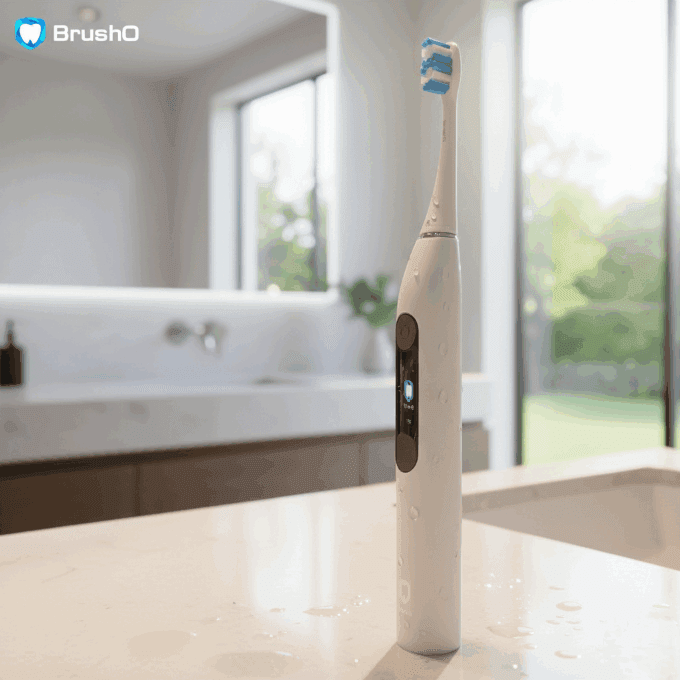
Oral health is dynamic — it fluctuates daily based on:
• Bacterial accumulation
• Saliva composition
• Dietary exposure
• Mechanical cleaning habits
Stable routines help maintain equilibrium within this ecosystem.
When hygiene patterns become unpredictable:
• Plaque growth becomes inconsistent
• Gum recovery cycles are disrupted
• Acid neutralization timing shifts
• Inflammation risk increases
Consistency acts as a regulatory mechanism for oral biological balance.
Dental plaque begins reforming within hours after brushing.
Predictable brushing schedules:
• Interrupt biofilm development regularly
• Prevent maturation into harmful bacterial colonies
• Reduce tartar formation risk
Irregular brushing allows plaque to reach pathogenic thresholds.
Saliva production follows circadian rhythms.
Stable routines:
• Reinforce natural cleansing cycles
• Optimize acid buffering
• Support remineralization
Erratic routines may expose teeth during low-saliva phases, increasing vulnerability.
Gum tissue experiences micro-stress daily.
Consistent oral care timing supports:
• Reduced inflammatory fluctuation
• Predictable healing intervals
• Improved immune response efficiency
Unstable routines prolong inflammatory exposure.
Predictability reduces cognitive load.
When brushing occurs automatically:
• Compliance increases
• Technique quality improves
• Sessions are less rushed
• Long-term adherence strengthens
Habit research shows routine predictability correlates strongly with health outcome stability across multiple domains, including oral hygiene.
• Increased cavity incidence
• Plaque accumulation variability
• Greater gum sensitivity
• Microbiome imbalance
• Higher long-term treatment costs
Small inconsistencies compound biologically over time.
AI-powered systems like BrushO promote routine stability through:
Encourage brushing at consistent biological windows.
Visual progress data reinforces behavior continuity.
Consistent technique quality improves session reliability.
Reward systems strengthen routine adherence over time.
By transforming brushing into a measurable habit loop, smart tools reduce variability and enhance long-term oral health stability.
• Brush at the same morning and evening times
• Maintain consistent duration
• Follow structured zone coverage
• Avoid skipping sessions
• Use reminders or tracking tools
Routine stability is more impactful than occasional intensity.
Predictable routines support:
• Microbiome equilibrium
• Reduced enamel erosion risk
• Lower inflammation variability
• Improved gum resilience
• More consistent dental outcomes
Oral health thrives on regularity rather than sporadic effort.
Routine predictability is not merely behavioral convenience — it is a biological stabilizer for oral ecosystems. Consistent brushing timing, technique, and frequency regulate bacterial cycles, enhance tissue recovery, and reduce long-term disease risk. Integrating structured habits with data-guided brushing technology strengthens both behavioral adherence and physiological resilience, ensuring oral health remains stable rather than reactive. Predictability transforms oral hygiene from a task into a preventative health strategy.
Feb 17
Feb 16

Hyperdontia is the presence of one or more teeth in excess of the normal dental formula, and the resulting teeth are described as supernumerary. The condition is common enough to appear in routine practice but variable enough in presentation that the decision to intervene is rarely straightforwar...

Few patients complete orthodontic treatment without asking whether their teeth will move back. The honest answer is that they will, to some degree, in the majority of cases. Relapse is not a failure of treatment but a predictable biological response, and understanding why it happens is the basis ...

The mandible is the largest and most frequently fractured bone of the facial skeleton, and its management sits at the interface between trauma surgery and restorative dentistry. Treatment has shifted over four decades from prolonged maxillomandibular fixation towards rigid internal fixation with ...

Chronic liver disease affects hundreds of millions of people worldwide, and its prevalence continues to rise with the epidemic of metabolic liver disease. The liver is central to haemostasis, drug metabolism and immune competence, and its failure therefore alters the risk profile of almost every ...

Excessive gingival display, commonly described as a gummy smile, is one of the most frequent aesthetic concerns presented to dental practitioners. The condition is not a single entity but a clinical presentation that can arise from skeletal, gingival, muscular or dental factors, and the treatment...

Drug-induced gingival overgrowth is a well-recognised adverse effect of several widely prescribed medications, and it remains one of the most common drug-related findings in periodontal practice. The condition produces firm, fibrous enlargement of the gingiva that can interfere with speech, masti...

Denture stomatitis is an inflammatory condition of the denture-bearing mucosa that affects a large proportion of removable prosthesis wearers, yet it is frequently dismissed as a cosmetic annoyance. The condition is driven by a Candida biofilm on the fitting surface of the prosthesis, and it is m...

Chronic kidney disease affects an estimated 850 million people worldwide, and the number of patients surviving on dialysis or with a renal transplant continues to rise. These patients carry an oral disease burden that is substantially higher than that of the general population, and their medical ...

Angular cheilitis is an inflammatory lesion of the labial commissures that presents with erythema, fissuring and crusting at the corners of the mouth. It is one of the most common conditions encountered in general dental practice, yet it is frequently treated as a simple fungal infection and allo...

Adverse reactions to dental materials are uncommon but they are not rare, and they are frequently misdiagnosed because the oral mucosa responds to allergens in a limited number of ways. A burning sensation, a persistent ulcer or an unexplained area of erythema may all represent a hypersensitivity...

Construire rapidement et à faible coût un réseau de données sur la santé bucco-dentaire de manière que tout le monde puisse y contribuer.
Construire rapidement et à faible coût un réseau de données sur la santé bucco-dentaire de manière que tout le monde puisse y contribuer.


Address: RM 1427, 14/F RADIO CITY 505, HENNESSY RD CAUSEWAY BAY, HONG KONG
Code: 000000
Phone: +852-53758652
Email: customerservice@brusho.com