
Getting kids to brush their teeth properly can be a battle—but it doesn’t have to be. The key isn’t force, it’s fun, consistency, and feedback. By making brushing feel like a game rather than a chore, you can lay the foundation for a lifetime of healthy habits. With features like smart pressure alerts, zone tracking, and built-in rewards, BrushO helps children build confidence and independence in their brushing routines. This article explores age-appropriate techniques, app-based motivation, and practical tips for turning brushing into something kids actually look forward to.
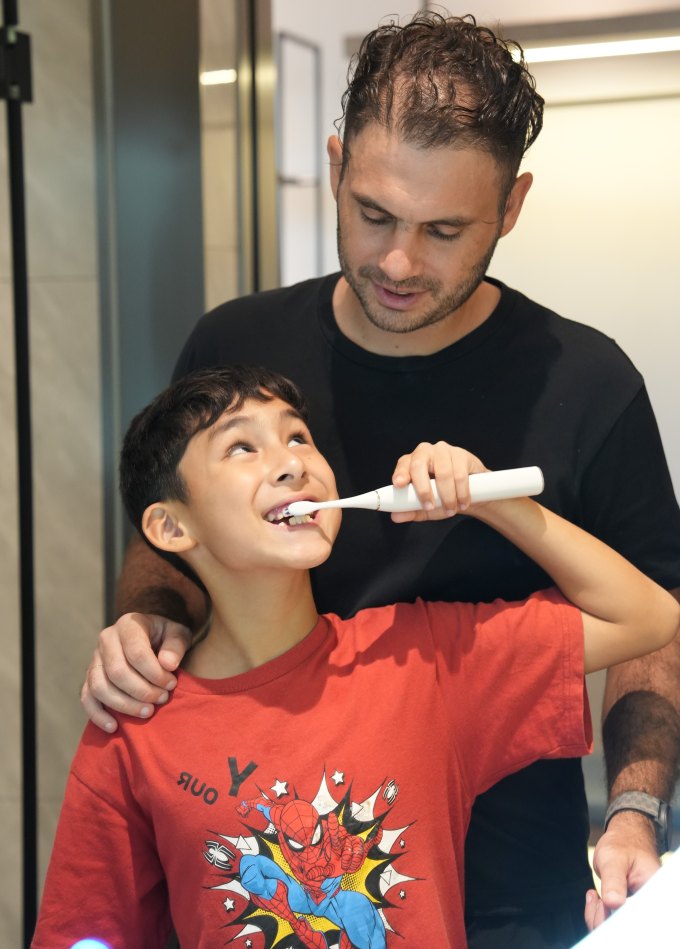
Children are more susceptible to cavities and early gum issues because their brushing technique is still developing. Learning proper brushing pressure, duration, and full-mouth coverage early on can prevent problems later in life. But getting there takes patience—and the right tools.
Kids respond best to positive reinforcement and engaging routines. Here’s how to make brushing more enjoyable:
• Zone tracking helps kids understand where they missed.
• Pressure sensors alert them gently if they’re brushing too hard.
• The BrushO app offers visual guides and progress charts, which turn brushing into a game with goals.
Set up a sticker chart or use BrushO’s digital rewards system to earn points. For example:
• 3 days of proper brushing = fun prize
• 10-day streak = free brush head (BrushO offers lifetime head rewards!)
Help kids memorize this simple brushing formula:
2 minutes, twice a day.
BrushO’s built-in timer and music integration can keep kids on track without nagging.
BrushO offers multiple modes, including Clean, Gum Care, and fully customizable settings. Let your child pick the one they like—it creates a sense of ownership and curiosity.
Routines are easier when parents lead by example. Brush alongside your child using your own BrushO brush, and compare brushing scores through the app. You can even make it a challenge:
“Let’s see who gets a better brushing report today!”
Celebrate small wins:
• “You brushed all 6 zones today—awesome!”
• “No pressure alerts! Great job being gentle.”
Positive feedback goes a long way in reinforcing long-term habits.
• Ages 3–6: Focus on guided brushing with parental supervision.
• Ages 7–10: Introduce app progress tracking and light challenges.
• Ages 11+: Allow independent app usage and reward tracking.
BrushO’s data visuals help kids grow more aware of their own routines and make informed decisions—even before they fully understand dental health.
BrushO is an AI-powered electric toothbrush brand that helps kids and adults build smart oral care habits. With zone-by-zone tracking, gentle feedback, customizable modes, and a fun rewards system, BrushO turns daily brushing into a healthy, interactive routine.
Nov 6
Nov 6

The uncontrolled hypertension is the condition that the dental practice meets in the patient who presents with the elevated pressure that the guideline does not permit for the elective treatment, and the management of this patient requires the deferral of the dental procedure and the referral to ...

The closure of the extraction space in the orthodontic treatment is the phase that demands the careful selection of the mechanics and the monitoring of the force that the appliance delivers. The sliding mechanics that rely on the continuous archwire and the power chain that connects the brackets ...

The transverse discrepancy of the maxilla is the problem that the crowding and the posterior crossbite often hide, and the maxillary expansion is the treatment that addresses the width of the arch rather than the position of the individual tooth. The clinician who diagnoses the constriction early...

The local anaesthesia is the daily procedure that the modern dentistry treats as the routine, and the complications that follow it range from the transient and the trivial to the permanent and the serious. The clinician who injects by the habit without the anatomy in the mind is the clinician who...

The hypertension is the condition that the dental practice meets in the every day, and the patient who carries the elevated pressure without the symptoms is the patient who presents the risk that the chair-side measurement reveals. The dental team occupies the position that no other profession ho...

The glass-ceramic crown has become the default restoration for the anterior and the many posterior teeth, and the material selection within the family is the decision that determines the strength, the aesthetics, and the longevity of the result. The lithium disilicate, the leucite, and the zircon...

The dental phobia is the extreme form of the dental fear that prevents the patient from attending the treatment that the oral health requires, and the management of the phobia demands the skill that extends beyond the routine behaviour guidance. The systematic desensitization, the exposure therap...

The dental fear of the child is the condition that shapes the attitude for the lifetime, and the clinician who manages the first visits with the skill builds the patient who attends the recall without the dread. The fear that the child develops follows the many sources, and the practice that reco...

The patient with controlled hypertension is the patient who requires the dental care that the oral health demands and the treatment that the blood pressure permits, and the clinician who manages the controlled case safely follows the guideline that the evidence supports. The controlled hypertensi...

The ceramic veneer is the restoration that the aesthetic dentistry depends on, and the bond that retains the veneer on the enamel is the critical link that determines whether the restoration survives the function or fractures and debonds. The clinical technique from the preparation to the cementa...

Construire rapidement et à faible coût un réseau de données sur la santé bucco-dentaire de manière que tout le monde puisse y contribuer.
Construire rapidement et à faible coût un réseau de données sur la santé bucco-dentaire de manière que tout le monde puisse y contribuer.


Address: RM 1427, 14/F RADIO CITY 505, HENNESSY RD CAUSEWAY BAY, HONG KONG
Code: 000000
Phone: +852-53758652
Email: customerservice@brusho.com