
A healthy smile starts in the morning. Your first oral care session of the day doesn’t just fight bad breath—it sets the tone for your dental health, confidence, and long-term wellness. But with so many tips floating around, what’s the ideal morning oral routine? Here’s a science-backed, AI-enhanced guide to optimizing your morning mouth care—for both appearance and health.
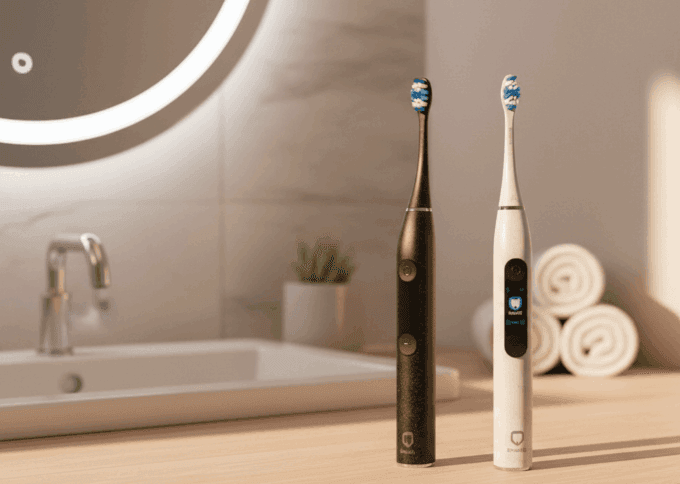
After a night of sleep, your mouth becomes a breeding ground for bacteria. Saliva production slows down, giving odor-causing and plaque-forming microbes the chance to thrive. A well-planned morning routine helps:
• Remove overnight bacterial buildup
• Prevent enamel erosion from acidic breakfast foods
• Refresh your breath for the day ahead
• Reinforce brushing habits and oral health consistency
Neglecting this step or rushing through it could impact both your smile’s appearance and your long-term dental condition.
Contrary to common belief, brushing before breakfast is better for your enamel. Overnight, your mouth becomes acidic, and brushing immediately after eating acidic foods (like fruit juice or toast) can wear down your enamel. Brushing first:
• Reduces bacteria before food contact
• Protects enamel from acidic erosion
• Prepares your teeth with fluoride for the meal ahead
Pro Tip: Use an AI-powered toothbrush like BrushO to ensure you cover all surfaces before breakfast—especially if you tend to brush groggily.
Choose a fluoride toothpaste to help remineralize enamel and protect against decay. For maximum efficiency:
• Use a soft-bristled or AI-monitored brush head
• Set your toothbrush to “fresh breath” or “sensitive” mode if you’re brushing pre-coffee
• Replace brush heads every 3 months—or track wear using the BrushO app
Up to 90% of morning breath originates from the tongue. Make this part of your daily routine:
• Use a built-in tongue scraper or a tongue-cleaning mode on smart brushes
• Gently clean from back to front
• Spend 10–15 seconds removing coating and odor-causing bacteria
BrushO offers dedicated tongue-cleaning tips and app reminders to make this step seamless.
If you’re using fluoride toothpaste, don’t rinse right away. Let the fluoride sit on your teeth for at least 30 minutes for maximum effect. You can:
• Spit out excess foam but skip water rinsing
• Rinse with an alcohol-free mouthwash after breakfast if needed for freshness
• Use BrushO’s app timer to delay rinsing for a healthier post-brushing effect
While many people reserve flossing for the evening, flossing in the morning:
• Removes plaque between teeth before it hardens
• Prevents food particles from breakfast sticking to pre-existing buildup
• Reinforces full-mouth cleanliness from the start of your day
For speed, use a floss pick or water flosser while your toothbrush charges wirelessly (BrushO supports Qi wireless charging for convenience).
BrushO’s smart toothbrush takes your morning brushing to the next level by providing:
• Real-Time Coverage Guidance: 6-zone, 16-surface monitoring to avoid missed areas
• Pressure Feedback: Alerts if you brush too hard or too soft
• Habit Scores: Track streaks, duration, and brushing angles
• Family Monitoring: Parents can review their kids’ brushing behavior before school
By turning your routine into an app-integrated habit, AI helps reinforce consistency—and ultimately, a healthier smile.
Think of your morning oral care like you do skincare or fitness—it’s not just maintenance, it’s prevention. Your smile is one of the first things people notice. Making brushing smarter and more personalized helps ensure you start your day with confidence, not cavities.
The perfect morning oral routine isn’t complicated—it’s consistent, complete, and tech-assisted. From brushing before breakfast to using AI feedback for pressure and zone guidance, your first brushing session of the day can set the tone for long-term dental health.
Let BrushO be your partner in this journey—because a smart smile starts with a smart routine.
Jan 21
Jan 21

If you are thirsty after brushing, choose plain water. Plan your usual bedtime drink before brushing and skip the immediate rinse at the sink.

Waterpik recommends warm water for its flossers. Check your own model and use comfortably lukewarm water if cold water feels sharp.

Let an intact handle return to room temperature before you consider charging it. Check your manual and watch for signs of battery or housing damage.

Lift away the paste, check the care label, and use cool water on washable fabric. Here is a quick approach for a fresh spot.

Turn the brush off, then check the fit, the connection, and the condition of the head. A second compatible head can help you narrow it down.

Look for a clean, rigid container with a secure lid and keep it with your belongings. A napkin on a lunch tray is easy to clear away.

Check the care directions for your clear retainer. Clinics give different instructions, and the right cleaning method depends on the appliance you received.

Try a gentle rinse first. If the hull sits between teeth and floss moves freely, make a careful pass and stop if it still feels stuck.

A tight gap or rough edge can catch floss. Notice where it snags, keep the movement gentle, and find out when to ask your dentist to check.

Your first sip can taste sharp after brushing. Here is what may be changing and how to make breakfast taste like breakfast again.

Construire rapidement et à faible coût un réseau de données sur la santé bucco-dentaire de manière que tout le monde puisse y contribuer.
Construire rapidement et à faible coût un réseau de données sur la santé bucco-dentaire de manière que tout le monde puisse y contribuer.


Address: RM 1427, 14/F RADIO CITY 505, HENNESSY RD CAUSEWAY BAY, HONG KONG
Code: 000000
Phone: +852-53758652
Email: customerservice@brusho.com