
As we age, our bodies go through numerous changes—and our mouths are no exception. Older adults face unique oral health challenges that require proactive care and personalized attention. From dry mouth and gum recession to difficulties with brushing due to arthritis or cognitive decline, maintaining oral hygiene in later life is about more than just brushing twice a day. In this article, we’ll explore the key risks for aging adults and how tools like smart toothbrushes can help ensure lasting dental wellness.
With age, oral tissues become more vulnerable. Common changes include:
• Enamel Thinning: Decades of chewing, acidic foods, and brushing gradually wear enamel.
• Gum Recession: Gums may pull back, exposing roots and increasing sensitivity.
• Tooth Darkening: The dentin beneath enamel yellows naturally with age.
• Dry Mouth (Xerostomia): Often caused by medications, dry mouth reduces natural saliva protection.
These changes can make seniors more prone to cavities, gum disease, and oral discomfort—even if they’ve had excellent dental habits for decades.
Aging adults often manage multiple medications or health conditions, such as:
• Blood pressure meds, antihistamines, antidepressants: These commonly cause dry mouth.
• Diabetes: Increases the risk of gum inflammation and delayed healing.
• Cognitive Decline: Alzheimer’s or dementia may lead to inconsistent hygiene routines.
• Parkinson’s or Arthritis: Fine motor issues make brushing and flossing more difficult.
🧠 These medical realities often interfere with daily oral hygiene—even for those who want to take care of their teeth.
Ignoring oral health in older age can lead to:
• Root Decay: Especially on exposed surfaces.
• Gum Disease: A major cause of tooth loss in seniors.
• Bad Breath and Infections: Due to dry mouth and plaque buildup.
• Ill-Fitting Dentures or Dental Work: Can lead to sores, pain, or malnutrition.
• Systemic Disease Link: Poor oral hygiene increases risks for heart disease, stroke, and respiratory infections.
🦷 The mouth is a window to overall health—especially as we age.
Smart toothbrushes like BrushO are changing how elderly users can maintain independence in their dental care. Here’s how:
| Challenge | BrushO Solution |
| Weak Grip or Arthritis | Ergonomic handle design and pressure sensors reduce strain |
| Forgetfulness | Brushing reminders and habit streak tracking via the app |
| Missed Areas | Real-time zone detection ensures full coverage |
| Enamel Wear | Custom modes for sensitive teeth protect thinning enamel |
🎯 Even caregivers can monitor brushing reports remotely to support loved ones.
Whether for yourself or a loved one:
• Schedule regular dental cleanings (at least twice a year)
• Keep a humidifier or drink water frequently to combat dry mouth
• Use a fluoride rinse or prescription toothpaste if recommended
• Switch to soft-bristled or AI-powered electric toothbrushes
• Consider brush-on scoring apps like BrushO that gamify hygiene and reward consistency
• Replace dentures every 5–7 years and disinfect daily
👵 It’s never too late to protect your smile.
Aging may be inevitable—but tooth loss, dry mouth, or oral infections don’t have to be. With awareness, consistent care, and the help of technology, seniors can maintain healthy, confident smiles into their 70s, 80s, and beyond. It’s about preserving quality of life—one brush at a time.
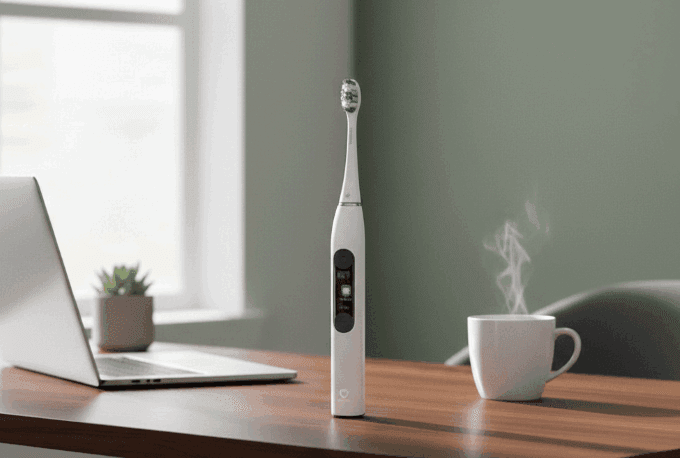
BrushO is an AI-powered electric toothbrush designed to bring clarity, comfort, and precision to your oral care routine—no matter your age. With real-time brushing feedback, zone coverage detection, and pressure monitoring, BrushO ensures you brush smarter, not harder.
🪥 For seniors and caregivers alike, BrushO is more than a toothbrush—it’s peace of mind.
Jan 22
Jan 21

The uncontrolled hypertension is the condition that the dental practice meets in the patient who presents with the elevated pressure that the guideline does not permit for the elective treatment, and the management of this patient requires the deferral of the dental procedure and the referral to ...

The closure of the extraction space in the orthodontic treatment is the phase that demands the careful selection of the mechanics and the monitoring of the force that the appliance delivers. The sliding mechanics that rely on the continuous archwire and the power chain that connects the brackets ...

The transverse discrepancy of the maxilla is the problem that the crowding and the posterior crossbite often hide, and the maxillary expansion is the treatment that addresses the width of the arch rather than the position of the individual tooth. The clinician who diagnoses the constriction early...

The local anaesthesia is the daily procedure that the modern dentistry treats as the routine, and the complications that follow it range from the transient and the trivial to the permanent and the serious. The clinician who injects by the habit without the anatomy in the mind is the clinician who...

The hypertension is the condition that the dental practice meets in the every day, and the patient who carries the elevated pressure without the symptoms is the patient who presents the risk that the chair-side measurement reveals. The dental team occupies the position that no other profession ho...

The glass-ceramic crown has become the default restoration for the anterior and the many posterior teeth, and the material selection within the family is the decision that determines the strength, the aesthetics, and the longevity of the result. The lithium disilicate, the leucite, and the zircon...

The dental phobia is the extreme form of the dental fear that prevents the patient from attending the treatment that the oral health requires, and the management of the phobia demands the skill that extends beyond the routine behaviour guidance. The systematic desensitization, the exposure therap...

The dental fear of the child is the condition that shapes the attitude for the lifetime, and the clinician who manages the first visits with the skill builds the patient who attends the recall without the dread. The fear that the child develops follows the many sources, and the practice that reco...

The patient with controlled hypertension is the patient who requires the dental care that the oral health demands and the treatment that the blood pressure permits, and the clinician who manages the controlled case safely follows the guideline that the evidence supports. The controlled hypertensi...

The ceramic veneer is the restoration that the aesthetic dentistry depends on, and the bond that retains the veneer on the enamel is the critical link that determines whether the restoration survives the function or fractures and debonds. The clinical technique from the preparation to the cementa...

Construire rapidement et à faible coût un réseau de données sur la santé bucco-dentaire de manière que tout le monde puisse y contribuer.
Construire rapidement et à faible coût un réseau de données sur la santé bucco-dentaire de manière que tout le monde puisse y contribuer.


Address: RM 1427, 14/F RADIO CITY 505, HENNESSY RD CAUSEWAY BAY, HONG KONG
Code: 000000
Phone: +852-53758652
Email: customerservice@brusho.com