
Your mouth contains more than 700 species of bacteria. When gums are healthy, these microbes stay contained. When gum disease develops, harmful bacteria enter the bloodstream, triggering inflammation that reaches the brain. This inflammatory signaling disrupts the neurochemical balance that regulates mood, calmness, and emotional stability. Chronic gum inflammation silently pushes the nervous system into a stress state — even if you feel physically fine.
When oral bacteria spread through inflamed gums, they trigger the release of inflammatory molecules, known as cytokines, by immune cells. These molecules:
• Cross the blood-brain barrier
• Alter serotonin and dopamine production
• Increase cortisol (the stress hormone)
• Reduce emotional resilience
This leads to:
• Heightened anxiety
• Panic-like symptoms
• Irritability
• Emotional fatigue
• Depressive moods
In many people, anxiety has an inflammatory origin, and oral bacteria are a major driver.
Swallowed mouth bacteria don’t just disappear — they travel into the digestive system and disrupt the gut microbiome, which is responsible for producing over 90% of your serotonin.
When oral pathogens reach the gut:
• Good bacteria die
• Inflammation increases
• Neurotransmitter production drops
• Mood stability weakens
This explains why people with chronic gum disease often experience digestive issues, fatigue, and emotional distress together.
Most people brush — but they don’t remove inflammation.
Common errors include:
• Skipping gumlines
• Brushing too hard and damaging tissue
• Missing back molars where bacteria thrive
• Inconsistent daily habits
These allow bacterial biofilms to remain active, continuously releasing inflammatory signals that affect the nervous system.
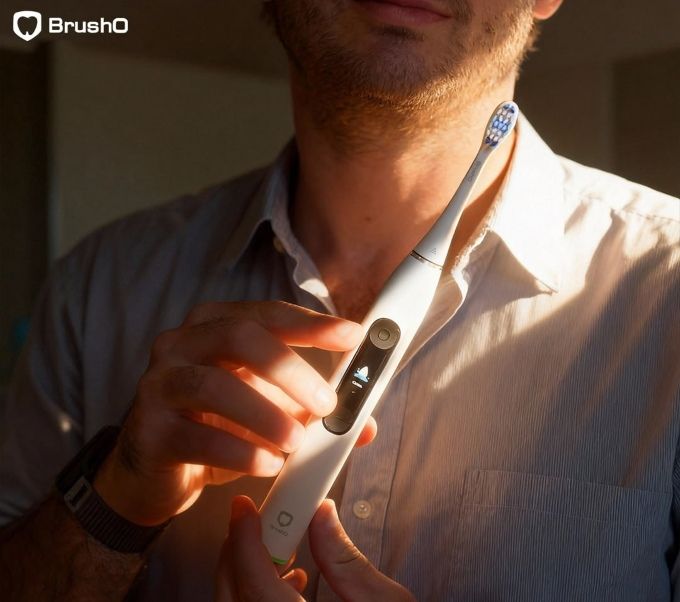
BrushO doesn’t just clean teeth — it removes the neurological trigger hiding in your gums.
It uses:
• Pressure sensors to prevent micro-injury
• 6-zone × 16-surface tracking to eliminate hidden plaque
• AI feedback to stop missed areas
• Habit reports to prevent inflammation from returning
When gum inflammation drops, so does systemic stress — allowing your nervous system to rebalance naturally.
If you experience these together, oral bacteria may be involved:
• Anxiety without obvious cause
• Brain fog
• Mood swings
• Bad breath
• Gum bleeding
• Fatigue
Your mouth and mind are connected through inflammation.
Chronic oral inflammation increases the risk of:
• Anxiety disorders
• Depression
• Cognitive decline
• Sleep disruption
• Emotional burnout
Treating the gums reduces the load on the brain.
Mood isn’t just chemical — it’s microbial. When mouth bacteria trigger inflammation, they silently hijack the nervous system and destabilize emotional health. With precision-guided brushing from BrushO, you remove the source — not just the symptoms. Healthy gums create a calmer mind.
Feb 4
Feb 4

PPM describes concentration, not the amount to put on the brush. Learn how to read fluoride information while keeping regional guidance and individual advice in view.

That forgotten tube deserves a label check. Learn what toothpaste shelf-life information refers to, why storage matters, and how to avoid guessing from appearance.

Clear gel or opaque paste? Texture is only one feature. Learn which label details matter when comparing toothpastes for your brushing routine.

Minty toothpaste can create a cooling sensation without being chilled. Explore what menthol does and why a fresh feeling is different from complete cleaning.

The sound of a powered brush comes with its moving mechanism. Learn how normal operating noise differs from alerts or an unexpected change that needs checking.

Toothpaste on the mirror? Check when you switch the brush on and off, how you position it, and how to pause without rushing your routine.

A whitening brushing program and a bleaching treatment are different things. Learn how to interpret mode names, surface-stain claims, and realistic expectations.

A tiny cluster of bristles serves a different purpose from a full-size head. Learn where a single-tuft brush may fit into an individually recommended cleaning routine.

Angled tufts, different bristle heights, and the angle of your hand are separate design questions. Learn how to read a toothbrush-head description clearly.

A larger head is not an automatic shortcut to cleaner teeth. Learn how head size affects access, positioning, and the fit of your daily brushing routine.

Costruire rapidamente e a basso costo una rete di dati sulla salute orale in modo che tutti possano creare.
Costruire rapidamente e a basso costo una rete di dati sulla salute orale in modo che tutti possano creare.


Address: RM 1427, 14/F RADIO CITY 505, HENNESSY RD CAUSEWAY BAY, HONG KONG
Code: 000000
Phone: +852-53758652
Email: customerservice@brusho.com