
You might not associate your daily medications with oral health problems—but many common prescriptions can lead to dry mouth, gum swelling, or increased cavity risk. This article breaks down how specific drugs affect your teeth and gums, and how to minimize damage using smart oral care routines like BrushO’s AI-powered toothbrush guidance. Whether you’re on antihistamines, antidepressants, or blood pressure meds, understanding these impacts is crucial to keeping your smile strong.
Many people take daily medications for allergies, heart conditions, mental health, or chronic pain. But what most don’t realize is that several medications can interfere with normal oral functions like saliva production, tissue healing, and gum health. These side effects often go unnoticed until significant damage occurs.
These drugs often cause dry mouth (xerostomia) by reducing saliva flow, which is essential for neutralizing acids and washing away food particles. A dry mouth promotes bacterial growth and raises the risk of cavities and gum disease.
Many SSRIs and tricyclics reduce saliva, alter taste, or cause jaw clenching (bruxism), which wears down enamel and strains jaw muscles over time.
Calcium channel blockers can lead to gum overgrowth (gingival hyperplasia), making it harder to clean between teeth and increasing inflammation.
These treatments can impair your body’s ability to fight off oral infections, leading to mouth sores, gum infections, or bleeding gums.
They may trigger dry mouth and reduce motivation for regular hygiene routines, indirectly leading to plaque buildup and decay.
Be aware of the following symptoms that may suggest your medications are harming your oral health:
• Persistent dry mouth
• Red, swollen, or bleeding gums
• Unexplained bad breath
• Changes in taste
• Mouth sores or ulcers
• Tooth sensitivity or enamel wear
Drink plenty of water throughout the day to combat dry mouth.
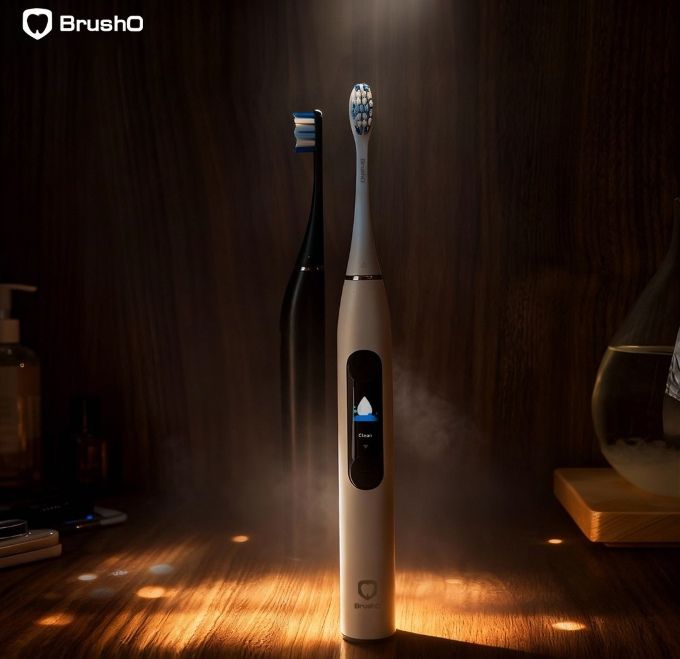
Smart brushing tools help you clean every zone thoroughly—even when gum overgrowth or sensitivity makes brushing harder. BrushO tracks pressure, timing, and coverage for a personalized cleaning experience.
This stimulates saliva production, especially helpful for those with medication-induced dryness.
Harsh rinses can worsen dry mouth symptoms. Choose gentle, pH-balanced formulas.
If oral side effects become severe, ask if alternative medications are available or whether your oral hygiene plan should be adjusted.
Ignoring these effects can lead to:
• Accelerated tooth decay
• Advanced gum disease
• Oral infections
• Reduced ability to eat or speak comfortably
• Complications with dental procedures
By combining medical awareness with smart brushing habits, you can reduce these risks and maintain long-term oral resilience.
Whether you’re managing chronic medication use or just beginning a new prescription, BrushO’s AI-guided technology supports full-mouth coverage, adaptive feedback, and habit tracking. This is especially valuable for patients with dry mouth, gum overgrowth, or difficulty brushing certain areas due to sensitivity or swelling.

The uncontrolled hypertension is the condition that the dental practice meets in the patient who presents with the elevated pressure that the guideline does not permit for the elective treatment, and the management of this patient requires the deferral of the dental procedure and the referral to ...

The closure of the extraction space in the orthodontic treatment is the phase that demands the careful selection of the mechanics and the monitoring of the force that the appliance delivers. The sliding mechanics that rely on the continuous archwire and the power chain that connects the brackets ...

The transverse discrepancy of the maxilla is the problem that the crowding and the posterior crossbite often hide, and the maxillary expansion is the treatment that addresses the width of the arch rather than the position of the individual tooth. The clinician who diagnoses the constriction early...

The local anaesthesia is the daily procedure that the modern dentistry treats as the routine, and the complications that follow it range from the transient and the trivial to the permanent and the serious. The clinician who injects by the habit without the anatomy in the mind is the clinician who...

The hypertension is the condition that the dental practice meets in the every day, and the patient who carries the elevated pressure without the symptoms is the patient who presents the risk that the chair-side measurement reveals. The dental team occupies the position that no other profession ho...

The glass-ceramic crown has become the default restoration for the anterior and the many posterior teeth, and the material selection within the family is the decision that determines the strength, the aesthetics, and the longevity of the result. The lithium disilicate, the leucite, and the zircon...

The dental phobia is the extreme form of the dental fear that prevents the patient from attending the treatment that the oral health requires, and the management of the phobia demands the skill that extends beyond the routine behaviour guidance. The systematic desensitization, the exposure therap...

The dental fear of the child is the condition that shapes the attitude for the lifetime, and the clinician who manages the first visits with the skill builds the patient who attends the recall without the dread. The fear that the child develops follows the many sources, and the practice that reco...

The patient with controlled hypertension is the patient who requires the dental care that the oral health demands and the treatment that the blood pressure permits, and the clinician who manages the controlled case safely follows the guideline that the evidence supports. The controlled hypertensi...

The ceramic veneer is the restoration that the aesthetic dentistry depends on, and the bond that retains the veneer on the enamel is the critical link that determines whether the restoration survives the function or fractures and debonds. The clinical technique from the preparation to the cementa...

Costruire rapidamente e a basso costo una rete di dati sulla salute orale in modo che tutti possano creare.
Costruire rapidamente e a basso costo una rete di dati sulla salute orale in modo che tutti possano creare.


Address: RM 1427, 14/F RADIO CITY 505, HENNESSY RD CAUSEWAY BAY, HONG KONG
Code: 000000
Phone: +852-53758652
Email: customerservice@brusho.com