
Stress affects both mental and physical health, often showing up in unexpected places—including your mouth. While most people associate stress relief with exercise or meditation, emerging research suggests that daily routines like brushing your teeth can also support relaxation and emotional balance. This article explores the connection between oral care and stress, explains how stress impacts oral health, and shows how smart brushing tools like BrushO can transform a simple habit into a calming, mindful wellness ritual.
Stress doesn’t stay in your head—it manifests throughout the body, including the oral cavity. Elevated stress levels influence hormone balance, immune response, and saliva production, all of which directly affect teeth and gums.
• Teeth grinding (bruxism), leading to enamel wear and jaw tension
• Gum inflammation, worsened by a weakened immune response
• Dry mouth, which allows odor-causing bacteria to thrive
• Neglected brushing routines, due to mental fatigue or distraction
These problems often create discomfort or anxiety, reinforcing a cycle where stress worsens oral health—and poor oral health increases stress.
Brushing your teeth, when done intentionally, shares characteristics with other grounding practices:
Concentrating on brushing motions, pressure, and coverage pulls attention away from racing thoughts. This focused awareness mirrors mindfulness techniques used to calm the nervous system.
Stress often stems from uncertainty and lack of control. A consistent brushing routine—morning and night—provides predictability, structure, and a sense of completion.
Gentle brushing stimulates nerves in the gums and jaw, areas closely linked to tension and stress responses. Proper pressure can feel soothing rather than abrasive.
Traditional brushing relies entirely on willpower and attention—both of which decline under stress. Smart brushing tools like BrushO reduce mental load and introduce guided structure.
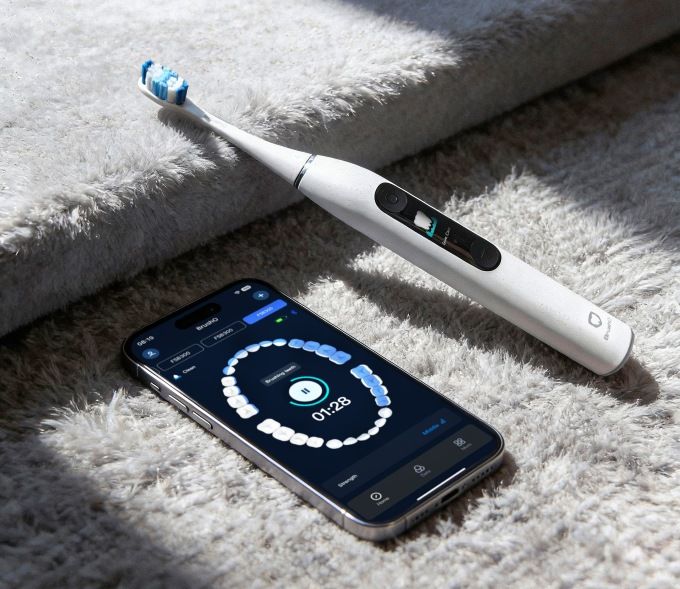
BrushO tracks pressure, duration, and coverage in real time, removing guesswork. Instead of worrying whether you’re brushing “correctly,” users can focus on the moment itself.
Modes such as Sensitive Care or Gum Care create a gentler, more relaxing brushing experience—especially helpful for users with stress-related sensitivity or jaw tension.
BrushO’s Brush & Earn system rewards consistency with $BRUSH tokens. Small achievements reinforce routine, which psychologically reduces anxiety and decision fatigue.
Seeing clear brushing data and improvement over time reassures users that their oral health is under control—reducing stress caused by uncertainty or neglect.
Under stress, people often:
• Brush too hard without realizing
• Rush through brushing sessions
• Skip nighttime brushing
• Ignore gum sensitivity
BrushO’s real-time feedback gently corrects these behaviors before they cause damage—preventing additional stress from dental discomfort or future treatment.
Even without changing toothpaste or timing, brushing can become a stress-supporting habit:
• Brush without screens or notifications
• Pair brushing with slow breathing
• Use lighter pressure than you think you need
• Treat brushing as a pause, not a task
Smart tools simply make these benefits easier to sustain.
Stress management doesn’t always require major lifestyle changes. Small, repeatable rituals—like brushing—can anchor your day, regulate your nervous system, and prevent stress-related health issues. By turning brushing into a guided, predictable, and rewarding experience, BrushO helps users care for both oral health and mental well-being—one routine at a time.
BrushO is an AI-powered smart toothbrush designed to improve oral health through real-time feedback, habit tracking, and personalized brushing guidance. With features like pressure monitoring, full-mouth coverage analysis, and $BRUSH token rewards, BrushO transforms daily brushing into a mindful, structured wellness habit.
Jan 13
Jan 12

If you are thirsty after brushing, choose plain water. Plan your usual bedtime drink before brushing and skip the immediate rinse at the sink.

Waterpik recommends warm water for its flossers. Check your own model and use comfortably lukewarm water if cold water feels sharp.

Let an intact handle return to room temperature before you consider charging it. Check your manual and watch for signs of battery or housing damage.

Lift away the paste, check the care label, and use cool water on washable fabric. Here is a quick approach for a fresh spot.

Turn the brush off, then check the fit, the connection, and the condition of the head. A second compatible head can help you narrow it down.

Look for a clean, rigid container with a secure lid and keep it with your belongings. A napkin on a lunch tray is easy to clear away.

Check the care directions for your clear retainer. Clinics give different instructions, and the right cleaning method depends on the appliance you received.

Try a gentle rinse first. If the hull sits between teeth and floss moves freely, make a careful pass and stop if it still feels stuck.

A tight gap or rough edge can catch floss. Notice where it snags, keep the movement gentle, and find out when to ask your dentist to check.

Your first sip can taste sharp after brushing. Here is what may be changing and how to make breakfast taste like breakfast again.

모두가 쉽게 구축할 수 있는 방식으로 구강 건강 데이터 네트워크를 저렴한 비용으로 빠르게 구축하세요.


Address: RM 1427, 14/F RADIO CITY 505, HENNESSY RD CAUSEWAY BAY, HONG KONG
Code: 000000
Phone: +852-53758652
Email: customerservice@brusho.com