
Whether you’re a weightlifter, runner, yogi, or HIIT enthusiast, your favorite workout is likely helping your heart, muscles, and mind. But did you know it might also be influencing your oral health—for better or worse? From mouth breathing and dehydration to dietary choices and jaw tension, exercise routines can have surprising effects on your teeth and gums. In this article, we’ll explore how different types of workouts can affect oral health and how AI-powered smart brushing with BrushO can help keep your smile strong, no matter how hard you train.
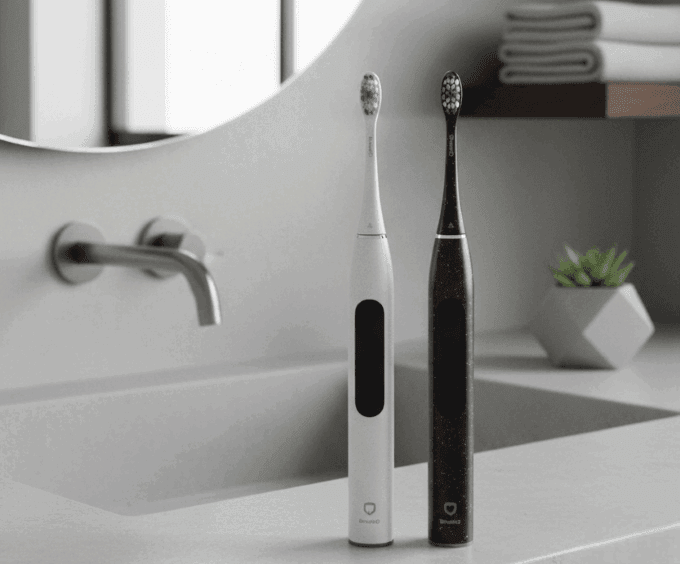
Exercise supports overall health, but its influence on the mouth is often overlooked. Some workout-related habits may unintentionally compromise oral wellness:
• Mouth breathing during intense training sessions can dry out the mouth.
• Frequent hydration with sports drinks introduces acids and sugars.
• Tension and grinding during strength training can wear down enamel.
• Protein-heavy diets in some workout regimens may impact oral pH.
Recognizing these connections can help athletes and fitness enthusiasts develop more comprehensive care routines.
During cardio workouts or high-intensity intervals, it’s common to breathe heavily through the mouth. While necessary for oxygen intake, this can lead to:
• Reduced saliva flow, which is critical for neutralizing acid and protecting enamel.
• Increased plaque buildup due to the dry environment.
• Higher cavity risk if dry mouth is chronic.
Tip: Hydrate with water frequently and brush properly post-workout to remove buildup.
Many fitness enthusiasts consume sports drinks or protein shakes, which are often high in sugars or acidic compounds.
• Acid erosion of enamel
• Sugar-fueled bacterial growth
• Increased plaque formation
Smart Solution: Rinse with water after consumption and wait 30 minutes before brushing to avoid brushing softened enamel.
On the flip side, workouts like yoga or Pilates involve nasal breathing and stress reduction, which:
• Promote saliva flow
• Reduce clenching and grinding
• Lower cortisol (stress hormone) that can otherwise trigger gum inflammation
These workouts are generally gentler on teeth, but brushing is still essential after snacking or sipping herbal teas common in these circles.
People lifting heavy weights often clench their jaws unconsciously, especially during max-effort sets or deadlifts. Over time, this can cause:
• Worn enamel
• Chipped teeth
• TMJ discomfort or jaw pain
• Use a mouthguard if you clench during lifting.
• Practice gentle brushing with BrushO’s pressure-sensitive mode to avoid aggravating enamel wear.
Keto, high-protein, or intermittent fasting diets are popular among fitness lovers—but they can also:
• Increase oral acidity
• Reduce saliva production (especially during fasting)
• Create dry mouth and bad breath
Smart brushing tools like BrushO can help you adjust:
• Use hydration reminders to support saliva flow.
• Switch to sensitive or deep-cleaning modes after workout meals.
Whether you train daily or weekly, BrushO’s smart brushing system adapts to your routine:
• Real-time feedback ensures full-mouth coverage even during rushed mornings.
• Gentle pressure sensors protect enamel worn by jaw tension.
• Brushing reminders keep you on track post-meal or post-workout.
• Gamified $BRUSH token rewards make oral care as motivating as your fitness goals.
To protect your oral health while pursuing fitness:
• Brush at least twice daily, especially after intense training or sugary drinks.
• Use fluoride toothpaste to strengthen enamel.
• Hydrate consistently—water is best.
• Floss daily to remove protein and sugar residue from meal-heavy days.
• Avoid brushing immediately after acidic drinks; wait 30 mins.
Exercise is vital to your body and mind—but your teeth deserve the same level of attention. By understanding the oral risks associated with your favorite workout routine, you can proactively adjust your hygiene habits. With AI-powered guidance from BrushO, you’ll ensure that every brushing session protects your enamel, supports gum health, and fits perfectly into your active lifestyle.
Jan 16
Jan 16

Wisdom teeth, or third molars, are the last teeth to erupt, and a large proportion of them never achieve a functional position. When a wisdom tooth is trapped beneath the gum or bone, it is described as impacted, and the decision to remove it is one of the most common surgical judgments in dentis...

Disk displacement is the most common internal derangement of the temporomandibular joint (TMJ) and a frequent reason for orofacial pain consultations. Magnetic resonance imaging (MRI) is the accepted gold standard for confirming the position of the articular disk because it visualizes soft tissue...

Pulp sensibility testing remains the first diagnostic step before any endodontic intervention. Cold, heat and electric pulp tests (EPT) probe the neural response of the pulp through enamel and dentin, and their results decide whether a tooth needs root canal treatment, a direct pulp cap or simple...

Mouthguards protect teeth from sports trauma and night-time grinding, but a dirty guard can become a reservoir for bacteria, fungi and oral disease. Studies show that used mouthguards accumulate plaque, streptococci and Candida within days of normal wear, and poor hygiene has been linked to gingi...

Halitosis, or persistent bad breath, affects a large share of the adult population and carries real social and psychological consequences. In the vast majority of cases the source is the mouth itself, and the most important reservoir is the coating on the dorsal surface of the tongue. Understandi...

Root canal treatment succeeds only when instrumentation stops at the right place. Working length is the distance from a stable coronal reference point to the apical constriction, and every millimeter of error changes the outcome: over-instrumentation pushes debris and irrigant beyond the apex, wh...

Dry mouth is one of the most common complaints in dental practice, yet it is frequently underestimated. Xerostomia is the subjective feeling of oral dryness, while salivary hypofunction is the measurable reduction in saliva output, and the two do not always coincide. Because saliva protects teeth...

Diabetes affects more than blood sugar, and the mouth is often one of the first places where the disease makes itself known. The relationship is genuinely bidirectional: uncontrolled diabetes increases the risk and severity of periodontal disease, while severe gum inflammation makes blood sugar h...

Enamel is the hardest tissue in the human body, but it is not indestructible. Dental erosion is the chemical dissolution of enamel by acids that are not produced by bacteria, and modern diets supply those acids in abundance. Understanding how acidic foods and drinks attack the tooth surface is th...

A good toothbrush should work as well in a hotel bathroom as it does at home, and that is exactly what BrushO Travel Mode is designed to do. By lowering motor speed and trimming acoustic output, Travel Mode keeps the full two-minute cleaning routine in a form that is discreet enough for shared ro...

모두가 쉽게 구축할 수 있는 방식으로 구강 건강 데이터 네트워크를 저렴한 비용으로 빠르게 구축하세요.


Address: RM 1427, 14/F RADIO CITY 505, HENNESSY RD CAUSEWAY BAY, HONG KONG
Code: 000000
Phone: +852-53758652
Email: customerservice@brusho.com