
Toothache isn’t just discomfort — it’s a warning. Your body is telling you something is off. While many associate tooth pain with cavities, the reality is far more complex. From gum infections to sinus pressure, multiple factors can trigger pain that ranges from mild twinges to sharp, throbbing sensations. Let’s explore the full spectrum of causes, and how better brushing technique (and smarter tools) can help keep problems at bay.
Cavities, or dental caries, are caused by plaque buildup. Bacteria in plaque feed on sugars, producing acids that erode enamel. Once that protective layer is breached, tooth sensitivity and pain follow.
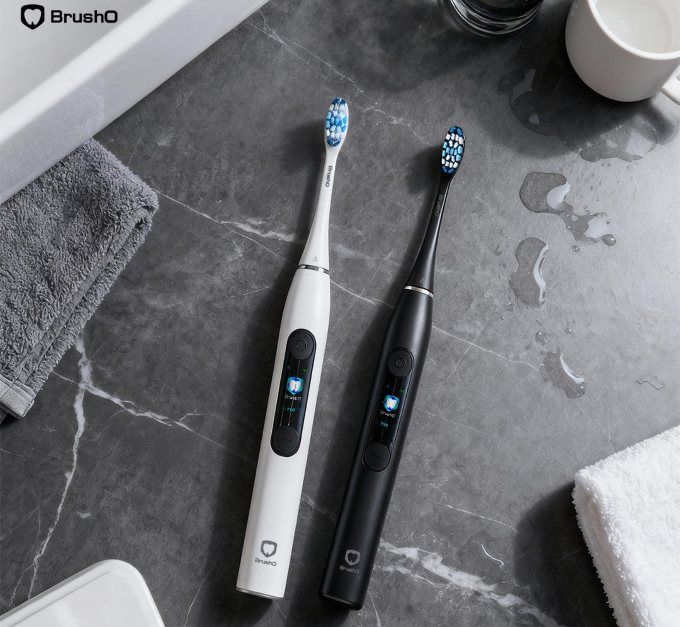
Prevention Tip: BrushO’s zone-guided technology ensures no area of your mouth is missed, helping reduce plaque accumulation — a key factor in cavity prevention.
Tooth pain isn’t always rooted in the tooth. Inflamed gums can lead to pain, bleeding, and even tooth loosening if left unchecked. Infections can spread deeper, affecting the ligaments and bone.
• Swollen or bleeding gums
• Persistent bad breath
• Gum recession
If a sip of cold water makes you wince, you may be dealing with enamel erosion or exposed dentin. Acidic diets, overbrushing, or aging can thin enamel, making nerves more vulnerable.
Use a soft-bristled brush head and gentle pressure. BrushO’s intelligent pressure detection helps avoid enamel damage while still cleaning effectively.
Many people grind their teeth at night without realizing it. Over time, this can wear down enamel, cause cracks, and result in chronic pain or jaw tension.
• Morning headaches
• Jaw soreness
• Flattened biting surfaces
Tiny hairline cracks from biting hard foods or trauma may not be visible, but can lead to sharp pain when chewing or when exposed to hot/cold stimuli.
A lesser-known cause — the roots of your upper molars are close to the sinuses. When sinuses are inflamed or infected, you may feel a deep ache in your upper teeth.
Pain following fillings, crowns, or bleaching is common and usually temporary. But prolonged sensitivity may indicate underlying issues.
If your wisdom teeth haven’t fully emerged or are growing at an angle, they may press against nerves or neighboring teeth, causing pressure and pain.
As gums pull back (due to aging, brushing too hard, or gum disease), the tooth root becomes exposed. This area is more sensitive and lacks enamel protection.
A large percentage of toothaches can be traced back to inconsistent or improper brushing habits. But “brushing” isn’t just about movement — it’s about:
• Covering all surfaces, including gumline and back molars
• Applying the right pressure
• Brushing for the right amount of time
• Using data to track your habits
With BrushO, AI-driven sensors track missed areas, detect overpressure, and give instant feedback. It’s not just brushing — it’s precision care.
A toothache is never “just a toothache.” It’s a signal. Ignoring it can lead to bigger issues — infection, tooth loss, or systemic inflammation. With the right knowledge and tools, you can prevent many of the underlying causes of pain before they even begin.

Hyperdontia is the presence of one or more teeth in excess of the normal dental formula, and the resulting teeth are described as supernumerary. The condition is common enough to appear in routine practice but variable enough in presentation that the decision to intervene is rarely straightforwar...

Few patients complete orthodontic treatment without asking whether their teeth will move back. The honest answer is that they will, to some degree, in the majority of cases. Relapse is not a failure of treatment but a predictable biological response, and understanding why it happens is the basis ...

The mandible is the largest and most frequently fractured bone of the facial skeleton, and its management sits at the interface between trauma surgery and restorative dentistry. Treatment has shifted over four decades from prolonged maxillomandibular fixation towards rigid internal fixation with ...

Chronic liver disease affects hundreds of millions of people worldwide, and its prevalence continues to rise with the epidemic of metabolic liver disease. The liver is central to haemostasis, drug metabolism and immune competence, and its failure therefore alters the risk profile of almost every ...

Excessive gingival display, commonly described as a gummy smile, is one of the most frequent aesthetic concerns presented to dental practitioners. The condition is not a single entity but a clinical presentation that can arise from skeletal, gingival, muscular or dental factors, and the treatment...

Drug-induced gingival overgrowth is a well-recognised adverse effect of several widely prescribed medications, and it remains one of the most common drug-related findings in periodontal practice. The condition produces firm, fibrous enlargement of the gingiva that can interfere with speech, masti...

Denture stomatitis is an inflammatory condition of the denture-bearing mucosa that affects a large proportion of removable prosthesis wearers, yet it is frequently dismissed as a cosmetic annoyance. The condition is driven by a Candida biofilm on the fitting surface of the prosthesis, and it is m...

Chronic kidney disease affects an estimated 850 million people worldwide, and the number of patients surviving on dialysis or with a renal transplant continues to rise. These patients carry an oral disease burden that is substantially higher than that of the general population, and their medical ...

Angular cheilitis is an inflammatory lesion of the labial commissures that presents with erythema, fissuring and crusting at the corners of the mouth. It is one of the most common conditions encountered in general dental practice, yet it is frequently treated as a simple fungal infection and allo...

Adverse reactions to dental materials are uncommon but they are not rare, and they are frequently misdiagnosed because the oral mucosa responds to allergens in a limited number of ways. A burning sensation, a persistent ulcer or an unexplained area of erythema may all represent a hypersensitivity...

모두가 쉽게 구축할 수 있는 방식으로 구강 건강 데이터 네트워크를 저렴한 비용으로 빠르게 구축하세요.


Address: RM 1427, 14/F RADIO CITY 505, HENNESSY RD CAUSEWAY BAY, HONG KONG
Code: 000000
Phone: +852-53758652
Email: customerservice@brusho.com