
Have you noticed blood on your floss or toothbrush and wondered if something’s wrong? Bleeding gums are a warning sign that shouldn’t be ignored. Whether it’s caused by improper technique, inflammation, or missed cleanings, gum bleeding can be reversed with the right care. This article explains why your gums bleed when flossing, how to stop it, and how smart brushing tools like BrushO help ensure healthy gums with every cleaning.
Bleeding gums during flossing isn’t uncommon—especially if you’ve recently added flossing to your routine. But consistent bleeding can be a sign of gum disease, improper technique, or a deeper health issue. Understanding the root cause is key to protecting your oral health.
If you rarely floss, your gums may be inflamed due to built-up plaque. Starting to floss again can irritate sensitive gums, causing bleeding. Similarly, snapping the floss down harshly can cut or damage the tissue.
Gingivitis is a leading cause of bleeding gums. It results from plaque buildup along the gumline, causing inflammation. Left untreated, it can progress into more serious periodontal disease.
Not getting enough vitamin C or K can weaken your gums and lead to easier bleeding. These vitamins help with tissue repair and blood clotting.
Pregnancy, menstruation, or menopause can make gums more sensitive. This increases the likelihood of bleeding, even with gentle flossing.
Conditions like diabetes or medications such as blood thinners can make gum bleeding more likely. Always consult a doctor if bleeding persists.
• Be Gentle – Avoid snapping floss into your gums.
• Use a C-Shape – Curve the floss around the tooth and slide it gently.
• Consistency Matters – Daily flossing reduces inflammation over time.
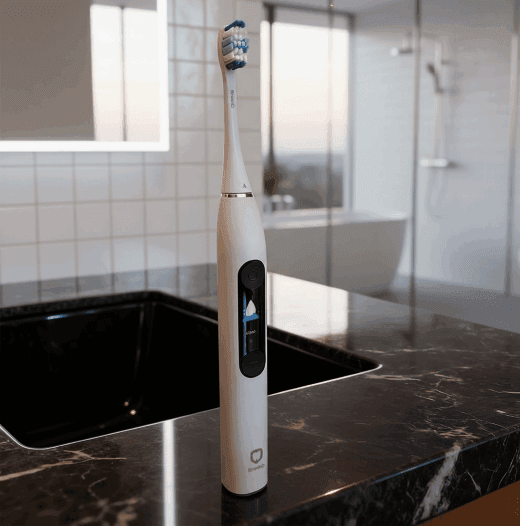
Bleeding gums often indicate inconsistent cleaning. The BrushO Smart Toothbrush supports gum health through:
• Gumline Tracking – Ensures full cleaning coverage where plaque builds most.
• Pressure Sensors – Warns you when brushing too hard, protecting sensitive gums.
• Real-Time Feedback – Guides your brushing and adapts to your habits over time.
Paired with consistent flossing, BrushO helps reduce plaque buildup, inflammation, and bleeding.
If your gums bleed consistently for more than a week—even with improved technique—it’s time for a checkup. You may be facing early-stage gum disease or another condition that requires professional care.
• Use Waxed Floss – It’s gentler and less likely to irritate gums.
• Stay Hydrated – Keeps your saliva flow healthy and plaque in check.
• Eat Nutrient-Rich Foods – Boost vitamin C and K to support gum strength.
• Upgrade to Smart Brushing – Tools like BrushO enhance technique and results.
• Schedule Regular Cleanings – Don’t skip dental visits.
Bleeding gums may seem minor, but they’re your body’s early warning system. Don’t ignore them. With proper flossing, better brushing, and smart technology like BrushO guiding your routine, bleeding gums can become a thing of the past—replaced by a healthier, brighter smile.

Pair varied nutrient sources and realistic food habits with BrushO’s powered brushing, timed structure and pressure awareness for everyday care.

Understand why receding gums need assessment and how BrushO’s pressure response, comfort settings and timed prompts can support daily technique.

Know when a suspected cracked tooth needs dental assessment and where BrushO may fit in an ongoing brushing routine after professional advice.

Learn what clinicians may check, which persistent mouth changes deserve assessment, and why BrushO brushing stays separate from cancer screening.

Prepare for dental visits with communication and a personal plan, while BrushO offers familiar brushing structure and eligible habit feedback.

Plan brushing around acidic meals, keep a twice-daily routine, and use BrushO’s timer and pressure response once it is time to brush.

Separate soft plaque from hardened tartar, and understand how BrushO’s daily brushing support fits alongside interdental and professional cleaning.

Learn how enamel, dentin, pulp and roots relate to daily care, and use BrushO’s timer and pressure response for more deliberate surface cleaning.

Explore oral acidity, mineral loss and daily habits, with a realistic role for BrushO’s powered brushing, timer and pressure-responsive hardware.

Understand possible causes of tooth sensitivity and consider BrushO’s Sensitive mode, pressure response and timer alongside appropriate dental advice.

모두가 쉽게 구축할 수 있는 방식으로 구강 건강 데이터 네트워크를 저렴한 비용으로 빠르게 구축하세요.


Address: RM 1427, 14/F RADIO CITY 505, HENNESSY RD CAUSEWAY BAY, HONG KONG
Code: 000000
Phone: +852-53758652
Email: customerservice@brusho.com