
Oral health is far more than clean teeth and fresh breath — it is one of the most important indicators of your body’s overall wellness. The mouth is the main gateway into the body, and the bacteria, inflammation, and immune activity inside it directly affect the heart, brain, digestive system, and even hormone balance. When oral hygiene is poor, harmful bacteria enter the bloodstream, increasing systemic inflammation and disease risk. This article explains the science behind the mouth‑body connection and why intelligent daily brushing is one of the most powerful health habits you can build.
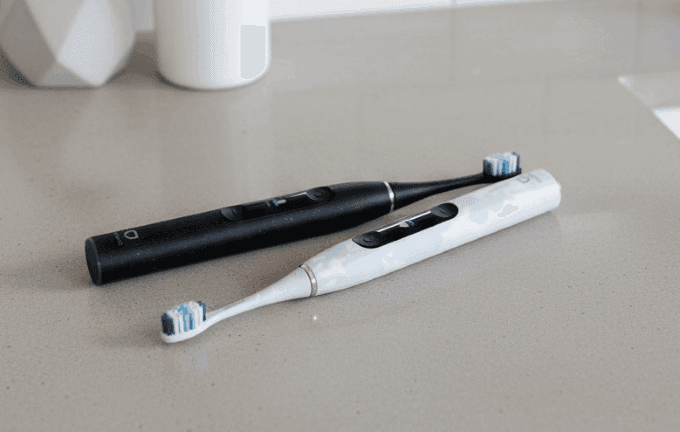
Most people treat oral care as a cosmetic habit — something you do to avoid cavities or keep your smile attractive. In reality, your mouth is one of the most biologically active and vulnerable systems in your entire body. What happens inside it directly influences inflammation, immunity, circulation, and even metabolic health. The mouth is home to more than 700 species of bacteria, forming what scientists call the oral microbiome. When balanced, these bacteria protect your teeth and gums. When disrupted, they trigger chronic inflammation that spreads far beyond the mouth. This is why dentists now view oral health as a predictor of systemic disease, not just dental problems.
Your gums contain tiny blood vessels that are highly sensitive to bacteria. When plaque builds up and gums become inflamed, bacteria and inflammatory chemicals enter the bloodstream. This creates a chain reaction throughout the body.
Research links poor oral health to:
• Heart disease and stroke through arterial inflammation
• Diabetes due to insulin resistance caused by chronic inflammation
• Brain health decline from bacterial toxins entering circulation
• Digestive problems due to swallowed oral bacteria
• Immune dysfunction from constant immune system activation
Gum disease is not just a local infection — it is a whole‑body inflammatory condition.
Inflammation is the body’s defense system, but when it becomes chronic, it damages tissues, blood vessels, and organs. Gum disease is one of the most common sources of silent chronic inflammation.
People with unhealthy gums often experience:
• Fatigue
• Joint pain
• Weakened immunity
• Slower healing
• Higher cardiovascular risk
Even mild gum bleeding signals immune stress.
Most people brush twice a day but still leave large areas untreated. Back molars, gumlines, and inner surfaces are commonly missed. This allows bacteria to grow undisturbed, creating a low‑grade infection that quietly affects the whole body.
True oral wellness requires:
• Even coverage across all teeth and gums
• Safe pressure that protects enamel and gum tissue
• Consistent timing aligned with bacterial cycles
This is where smart brushing technology becomes medically relevant, not just convenient.
AI‑powered toothbrushes like BrushO transform brushing into a preventive health system by detecting risks invisible to the human eye.
BrushO helps protect overall wellness by:
• Identifying missed zones where bacteria hide
• Preventing over‑brushing that damages gums
• Ensuring balanced cleaning across 6 zones and 16 surfaces
• Tracking trends that predict gum disease and enamel wear
This creates a feedback loop that stops oral problems before they trigger systemic inflammation.
When you brush correctly every day, you are not just protecting your smile — you are reducing:
• Heart disease risk
• Diabetes complications
• Cognitive decline
• Chronic immune stress
Few daily habits offer this level of protection in just two minutes.
Your mouth is the front line of your immune system. It filters what enters your body, communicates with your brain through nerves, and reflects metabolic and hormonal changes.
When oral health improves:
• Blood inflammation decreases
• Immune balance improves
• Energy levels rise
• Breath becomes stable
• Confidence increases
A healthy mouth creates a healthy internal environment.
With AI‑powered systems like BrushO, oral health becomes measurable, predictable, and preventable. Instead of waiting for cavities or gum disease, users can track trends, correct habits, and protect their health proactively. This is why modern wellness now includes smart brushing. BrushO is an AI‑powered smart toothbrush designed to improve not just teeth, but total health. Using real‑time pressure sensing, zone tracking, habit analytics, and brushing rewards, BrushO helps users build healthier mouths and healthier bodies. By transforming brushing into a personalized health system, BrushO turns two minutes a day into lifelong protection.
Jan 27
Jan 26

Saliva has moved from the byproduct of the examination to the fluid that the modern practice can read, and the diagnostics that the salivary sample supports now reach from the caries risk to the periodontal inflammation and beyond. The fluid is easy to collect, safe to handle, and rich in the pro...

The narrow alveolar ridge is the common obstacle that the implant plan meets in the healed posterior site, and the ridge split technique is the approach that widens the crest without the block graft and the second surgical site. The technique uses the viscoelastic property of the bone, and the co...

The resin-bonded bridge is the conservative alternative to the conventional fixed prosthesis, and its place in the modern practice has widened as the adhesive dentistry matured. The prosthesis replaces the missing tooth with the minimal removal of the enamel from the abutment, and the retention i...

The systemic antibiotic has a defined and a narrow place in the periodontal therapy, and the clinician who respects its limits uses it well while the clinician who reaches for it routinely erodes both the result and the antibiotic stewardship. The mechanical debridement remains the foundation of ...

The bond failure of the bracket is the interruption that the fixed orthodontic treatment can tolerate in the small number but not in the pattern, and the clinician who understands the cause reduces the frequency that the repeated rebonding records. The failure that recurs on the single tooth poin...

The prescription pad is one of the most common sources of the oral complaint that the patient brings to the dental office, and the clinician who does not think of the medication may spend the appointment treating the symptom that the drug created. The list of the agents that affect the mouth grow...

The intraoral scanner has moved from the novelty of the early adopters to the standard equipment of the modern prosthodontic practice, and the comparison with the conventional impression has become a daily question rather than an academic one. The scanner captures the surface of the teeth and the...

The endodontic retreatment is the second chance that the tooth receives when the initial treatment fails to resolve the infection or the symptoms, and the procedure is both more demanding and more rewarding than the primary treatment. The clinician who retreats the tooth encounters the filling ma...

The access preparation is the gateway of every root canal treatment, and it is the step at which the outcome of the case is most often decided, for good or for ill. A well-designed access straightens the canal system, removes the coronal obstruction, and allows the instruments and the irrigants t...

The restoration that the laboratory returns is only as good as the information that the clinician sends, and the communication between the dentist and the technician is the step that determines whether the crown, the veneer, or the bridge meets the expectation of the patient. The shade, the form,...

모두가 쉽게 구축할 수 있는 방식으로 구강 건강 데이터 네트워크를 저렴한 비용으로 빠르게 구축하세요.


Address: RM 1427, 14/F RADIO CITY 505, HENNESSY RD CAUSEWAY BAY, HONG KONG
Code: 000000
Phone: +852-53758652
Email: customerservice@brusho.com