
Everyone experiences bad breath occasionally, but if it becomes persistent, it may be more than just a case of garlic or morning breath. Chronic halitosis can indicate underlying health issues ranging from gum infections to systemic diseases. In this article, we’ll explore what your bad breath might be trying to tell you, the deeper health conditions linked to it, and how smart toothbrushes like BrushO can help you detect and address early signs before they escalate.
Halitosis is the medical term for chronic bad breath. While occasional odor is normal, persistent bad breath should not be ignored—it can point to oral health issues or even deeper systemic problems.
Leftover food particles and bacteria in the mouth can break down and release foul-smelling compounds.
Bleeding gums and infection beneath the gumline can create a strong, unpleasant odor that doesn’t go away with brushing.
Saliva naturally cleanses the mouth. A lack of saliva (due to medication, dehydration, or mouth breathing) allows bacteria to thrive.
Uncontrolled diabetes can lead to a fruity or acetone-like breath smell, often indicating diabetic ketoacidosis—a dangerous condition that needs immediate care.
Conditions like acid reflux, ulcers, or H. pylori infections can push odor-causing gases up through the digestive tract and into the mouth.
Toxins that are not properly filtered by the liver or kidneys may lead to breath that smells like ammonia or fish.
Chronic sinus infections or postnasal drip can cause bacteria to build up at the back of the throat, leading to persistent odor.
• It doesn’t improve after brushing or flossing
• You notice bleeding gums or a bad taste in the mouth
• You experience dry mouth frequently
• Others comment on your breath despite good hygiene
• Symptoms like fatigue, digestive upset, or increased thirst accompany it
If any of these apply, it’s time to dig deeper.
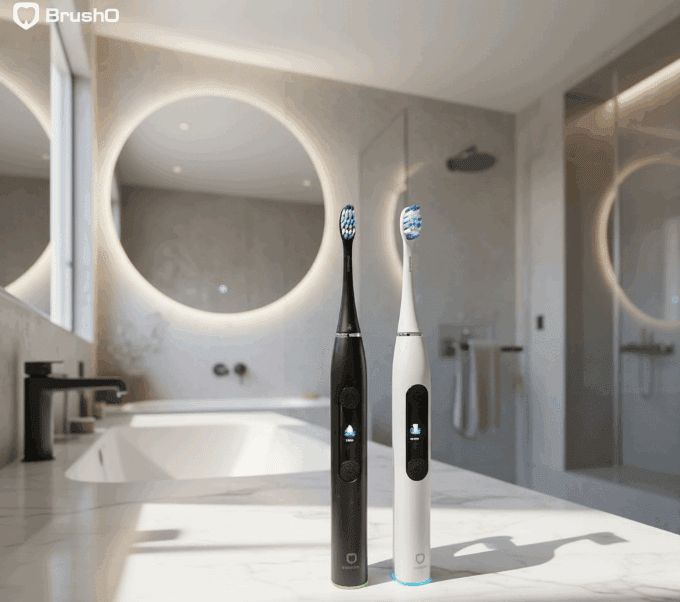
A smarter brushing routine is your first line of defense against chronic halitosis. BrushO’s AI-powered technology supports early detection and better prevention by offering:
• 16-surface coverage tracking – Ensures you don’t miss critical zones where odor-causing bacteria thrive
• Real-time feedback – Alerts you if you’re brushing too fast, too hard, or skipping zones
• Gum health scoring – Helps detect early signs of inflammation or gingivitis before it leads to odor
• Daily reports and progress monitoring – So you can stay on top of your oral health and catch trends before they worsen
If smart brushing, flossing, and hydration don’t resolve the issue, consult a dentist or doctor. They may:
• Check for gum disease or cavities
• Order blood or saliva tests
• Refer you to a specialist (e.g., ENT, gastroenterologist, or endocrinologist)
• Brush Twice Daily – Use a smart toothbrush like BrushO for optimal coverage
• Floss Daily – Don’t let debris linger between teeth
• Clean Your Tongue – Bacteria love the back of the tongue
• Stay Hydrated – Drink water to boost saliva
• Avoid Smoking and Excessive Alcohol – Both dry out the mouth and worsen odor
• Watch Your Diet – Garlic, onions, and high-sugar foods can make it worse
• Schedule Regular Dental Cleanings – At least twice a year
Bad breath isn’t just embarrassing—it can be your body’s way of signaling something serious. Don’t ignore the signs. Pair smart brushing tools like BrushO with regular checkups and good hygiene to stay ahead of deeper health issues and keep your breath fresh—and your body healthy.

Pair varied nutrient sources and realistic food habits with BrushO’s powered brushing, timed structure and pressure awareness for everyday care.

Understand why receding gums need assessment and how BrushO’s pressure response, comfort settings and timed prompts can support daily technique.

Know when a suspected cracked tooth needs dental assessment and where BrushO may fit in an ongoing brushing routine after professional advice.

Learn what clinicians may check, which persistent mouth changes deserve assessment, and why BrushO brushing stays separate from cancer screening.

Prepare for dental visits with communication and a personal plan, while BrushO offers familiar brushing structure and eligible habit feedback.

Plan brushing around acidic meals, keep a twice-daily routine, and use BrushO’s timer and pressure response once it is time to brush.

Separate soft plaque from hardened tartar, and understand how BrushO’s daily brushing support fits alongside interdental and professional cleaning.

Learn how enamel, dentin, pulp and roots relate to daily care, and use BrushO’s timer and pressure response for more deliberate surface cleaning.

Explore oral acidity, mineral loss and daily habits, with a realistic role for BrushO’s powered brushing, timer and pressure-responsive hardware.

Understand possible causes of tooth sensitivity and consider BrushO’s Sensitive mode, pressure response and timer alongside appropriate dental advice.

Construa uma rede de dados de saúde bucal rapidamente e com baixo custo de forma que todos possam construir.
Construa uma rede de dados de saúde bucal rapidamente e com baixo custo de forma que todos possam construir.


Address: RM 1427, 14/F RADIO CITY 505, HENNESSY RD CAUSEWAY BAY, HONG KONG
Code: 000000
Phone: +852-53758652
Email: customerservice@brusho.com