
Many people think oral health ends with teeth and gums, but science now shows that chronic oral inflammation can directly impact how clearly you think, how well you remember, and how focused you feel. Gum disease allows inflammatory chemicals and bacteria to enter the bloodstream, triggering immune responses that affect blood flow to the brain, nerve signaling, and even long-term cognitive decline. This article explains the biological connection between inflamed gums and brain fog, why memory suffers when oral bacteria spread systemically, and how precision brushing with smart technology like BrushO helps protect both your mouth and your mind.
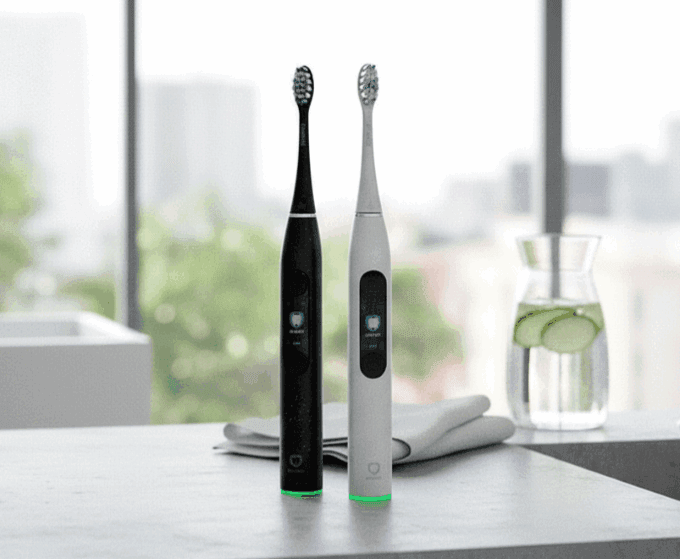
Your mouth is one of the most bacteria-dense environments in the human body. When your gums are healthy, they act as a sealed barrier. When they become inflamed, that barrier breaks down. Inflamed gums allow oral bacteria and inflammatory molecules to enter the bloodstream, where they travel to vital organs — including the brain.
This process triggers what scientists call systemic inflammation, which is now strongly linked to:
• Brain fog
• Memory lapses
• Slower thinking
• Mood changes
• Long-term neurodegeneration
In other words, your gums directly affect how your brain works.
Gum disease is not just a local problem. It produces cytokines, chemical messengers of inflammation, which circulate through the body.
When these inflammatory signals reach the brain, they:
• Reduce blood flow to neural tissue
• Disrupt neurotransmitter balance
• Damage the blood-brain barrier
• Interfere with oxygen and glucose delivery
This leads to brain fog — the feeling of mental sluggishness, poor focus, and memory gaps many people experience without realizing their mouth is involved.
Certain mouth bacteria are especially dangerous to the brain. When plaque and gum disease go untreated, bacteria such as Porphyromonas gingivalis release toxins that have been found inside brain tissue in Alzheimer’s patients.
These bacteria:
• Trigger immune overreaction
• Damage neurons
• Accelerate plaque formation in the brain
• Increase risk of dementia
That means poor oral hygiene can literally speed up memory decline.
Most people brush — but not effectively.
Common mistakes include:
• Skipping gumline zones
• Brushing too hard and causing micro-injury
• Missing molars where inflammation begins
• Uneven coverage that allows bacteria to thrive
These invisible habits allow chronic gum inflammation to continue even when teeth look clean.
This is where smart brushing changes everything. BrushO uses AI-driven oral mapping to prevent the inflammation that damages your brain.
It provides:
• Pressure monitoring so you don’t injure gums
• 6-zone, 16-surface tracking to eliminate missed areas
• Real-time feedback to stop inflammation before it spreads
• Habit reports that show long-term gum trends
By eliminating hidden plaque and calming gum inflammation, BrushO helps block inflammatory signals from ever reaching your brain.
Healthy gums = clearer thinking.
If you experience these together, your gums may be the cause:
• Chronic brain fog
• Frequent forgetfulness
• Morning fatigue
• Gum bleeding
• Bad breath
• Tooth sensitivity
These are not separate problems — they are part of the same inflammatory cycle.
Untreated oral inflammation doesn’t just cause cavities.
It increases the risk of:
• Alzheimer’s disease
• Stroke
• Depression
• Cognitive decline
• Chronic fatigue
Your toothbrush is not just a hygiene tool — it is a neurological defense system.
Your mouth is the gateway to your brain. When gum inflammation is ignored, it quietly floods your body with inflammatory signals that cloud your mind and weaken your memory. With precision-guided brushing from BrushO, you don’t just protect your smile — you protect your mental clarity, memory, and long-term cognitive health. Your brain deserves better brushing. 🧠🪥
Feb 4
Feb 4

The uncontrolled hypertension is the condition that the dental practice meets in the patient who presents with the elevated pressure that the guideline does not permit for the elective treatment, and the management of this patient requires the deferral of the dental procedure and the referral to ...

The closure of the extraction space in the orthodontic treatment is the phase that demands the careful selection of the mechanics and the monitoring of the force that the appliance delivers. The sliding mechanics that rely on the continuous archwire and the power chain that connects the brackets ...

The transverse discrepancy of the maxilla is the problem that the crowding and the posterior crossbite often hide, and the maxillary expansion is the treatment that addresses the width of the arch rather than the position of the individual tooth. The clinician who diagnoses the constriction early...

The local anaesthesia is the daily procedure that the modern dentistry treats as the routine, and the complications that follow it range from the transient and the trivial to the permanent and the serious. The clinician who injects by the habit without the anatomy in the mind is the clinician who...

The hypertension is the condition that the dental practice meets in the every day, and the patient who carries the elevated pressure without the symptoms is the patient who presents the risk that the chair-side measurement reveals. The dental team occupies the position that no other profession ho...

The glass-ceramic crown has become the default restoration for the anterior and the many posterior teeth, and the material selection within the family is the decision that determines the strength, the aesthetics, and the longevity of the result. The lithium disilicate, the leucite, and the zircon...

The dental phobia is the extreme form of the dental fear that prevents the patient from attending the treatment that the oral health requires, and the management of the phobia demands the skill that extends beyond the routine behaviour guidance. The systematic desensitization, the exposure therap...

The dental fear of the child is the condition that shapes the attitude for the lifetime, and the clinician who manages the first visits with the skill builds the patient who attends the recall without the dread. The fear that the child develops follows the many sources, and the practice that reco...

The patient with controlled hypertension is the patient who requires the dental care that the oral health demands and the treatment that the blood pressure permits, and the clinician who manages the controlled case safely follows the guideline that the evidence supports. The controlled hypertensi...

The ceramic veneer is the restoration that the aesthetic dentistry depends on, and the bond that retains the veneer on the enamel is the critical link that determines whether the restoration survives the function or fractures and debonds. The clinical technique from the preparation to the cementa...

Construa uma rede de dados de saúde bucal rapidamente e com baixo custo de forma que todos possam construir.
Construa uma rede de dados de saúde bucal rapidamente e com baixo custo de forma que todos possam construir.


Address: RM 1427, 14/F RADIO CITY 505, HENNESSY RD CAUSEWAY BAY, HONG KONG
Code: 000000
Phone: +852-53758652
Email: customerservice@brusho.com