
Frequent sipping, especially of acidic or sugary drinks, is often overlooked as a cause of dental damage. While most people focus on sugary snacks or poor brushing habits, continuously sipping beverages can expose your teeth to prolonged acid attacks, leading to enamel erosion, increased tooth sensitivity, and cavities. This article explores the science behind these risks, how saliva plays a role in oral defense, and how technology like BrushO’s smart brushing system can help mitigate the damage.
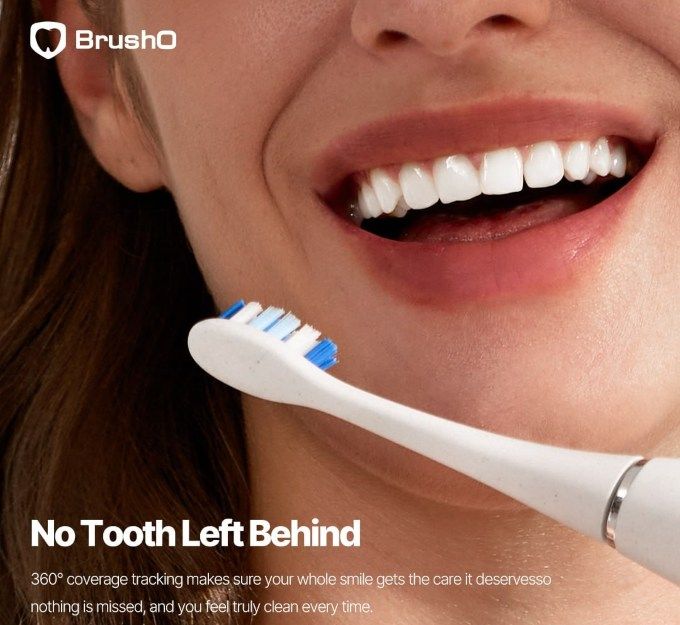
While enjoying a cold juice, warm coffee, or even a flavored tea throughout the day may feel like a treat, the prolonged exposure of your teeth to acids and sugars keeps your mouth in a low pH environment. This means:
• Constant Acid Attacks: Each sip restarts a 20–30 minute acid attack on your enamel.
• Interrupted Saliva Function: Your saliva doesn’t get the chance to naturally neutralize acid between drinks.
• Increased Plaque Buildup: Sugars feed oral bacteria, accelerating plaque and tartar formation.
Even beverages perceived as healthy—like fruit-infused water or kombucha—can have surprisingly low pH levels, which can lead to demineralization of enamel and, over time, permanent damage.
| Beverage Type | Average pH | Risk Level to Enamel |
| Soda (regular/diet) | 2.3 – 3.5 | High |
| Sports Drinks | 3.0 – 4.0 | High |
| Fruit Juice (orange, apple) | 3.0 – 4.0 | Moderate-High |
| Coffee/Tea | 4.5 – 5.5 | Moderate |
| Sparkling Water | 3.0 – 5.0 | Moderate |
| Plain Water | 7.0 | Safe |
Any drink below pH 5.5 is considered erosive to dental enamel.
• Increased tooth sensitivity to hot or cold
• Rough or translucent edges on front teeth
• Frequent cavities even with good oral hygiene
• White spots (early demineralization) near the gumline
These symptoms are often the result of cumulative micro-erosion—not caused by a single drink, but by repeated exposure throughout the day.
Saliva is your body’s natural defense against acid. It neutralizes pH, washes away food particles, and helps remineralize enamel with calcium and phosphate.
• Saliva’s buffering action is overwhelmed.
• Acidic conditions are prolonged, leading to enamel loss.
• The natural healing cycle of your mouth is disrupted.
BrushO isn’t just a toothbrush—it’s a smart oral health system. It actively helps counteract the damage from sipping with features like:
• Detects areas most vulnerable to acid attack
• Tracks brushing quality post-meal or post-sipping
• Special modes designed for eroded or sensitive enamel
• Adjusts pressure and oscillation based on your habits
• Notifies you when it’s safe to brush after acidic intake
• Helps build a brushing schedule around your sipping patterns
| Behavior | Tip |
| Sipping acidic drinks | Use a straw to minimize tooth contact |
| After drinking | Rinse with water—not mouthwash—to avoid alcohol drying out enamel |
| Brushing | Wait 30 mins after acidic drinks before brushing |
| Drink choices | Opt for still water, milk, or herbal teas between meals |
| Smart brushing | Use BrushO’s enamel-care mode regularly |
Frequent sipping may seem harmless—but it’s a silent contributor to enamel erosion and dental decay. Understanding the risks and adjusting your habits—along with using intelligent tools like BrushO—can make a powerful difference in maintaining long-term oral health. Don’t let small habits cause big problems. Sip smart. Brush smarter.
Dec 25
Dec 25

Hyperdontia is the presence of one or more teeth in excess of the normal dental formula, and the resulting teeth are described as supernumerary. The condition is common enough to appear in routine practice but variable enough in presentation that the decision to intervene is rarely straightforwar...

Few patients complete orthodontic treatment without asking whether their teeth will move back. The honest answer is that they will, to some degree, in the majority of cases. Relapse is not a failure of treatment but a predictable biological response, and understanding why it happens is the basis ...

The mandible is the largest and most frequently fractured bone of the facial skeleton, and its management sits at the interface between trauma surgery and restorative dentistry. Treatment has shifted over four decades from prolonged maxillomandibular fixation towards rigid internal fixation with ...

Chronic liver disease affects hundreds of millions of people worldwide, and its prevalence continues to rise with the epidemic of metabolic liver disease. The liver is central to haemostasis, drug metabolism and immune competence, and its failure therefore alters the risk profile of almost every ...

Excessive gingival display, commonly described as a gummy smile, is one of the most frequent aesthetic concerns presented to dental practitioners. The condition is not a single entity but a clinical presentation that can arise from skeletal, gingival, muscular or dental factors, and the treatment...

Drug-induced gingival overgrowth is a well-recognised adverse effect of several widely prescribed medications, and it remains one of the most common drug-related findings in periodontal practice. The condition produces firm, fibrous enlargement of the gingiva that can interfere with speech, masti...

Denture stomatitis is an inflammatory condition of the denture-bearing mucosa that affects a large proportion of removable prosthesis wearers, yet it is frequently dismissed as a cosmetic annoyance. The condition is driven by a Candida biofilm on the fitting surface of the prosthesis, and it is m...

Chronic kidney disease affects an estimated 850 million people worldwide, and the number of patients surviving on dialysis or with a renal transplant continues to rise. These patients carry an oral disease burden that is substantially higher than that of the general population, and their medical ...

Angular cheilitis is an inflammatory lesion of the labial commissures that presents with erythema, fissuring and crusting at the corners of the mouth. It is one of the most common conditions encountered in general dental practice, yet it is frequently treated as a simple fungal infection and allo...

Adverse reactions to dental materials are uncommon but they are not rare, and they are frequently misdiagnosed because the oral mucosa responds to allergens in a limited number of ways. A burning sensation, a persistent ulcer or an unexplained area of erythema may all represent a hypersensitivity...

Construa uma rede de dados de saúde bucal rapidamente e com baixo custo de forma que todos possam construir.
Construa uma rede de dados de saúde bucal rapidamente e com baixo custo de forma que todos possam construir.


Address: RM 1427, 14/F RADIO CITY 505, HENNESSY RD CAUSEWAY BAY, HONG KONG
Code: 000000
Phone: +852-53758652
Email: customerservice@brusho.com