
Late-night sugar consumption may seem harmless, but biologically it creates one of the highest-risk environments for enamel erosion and bacterial activity. Saliva flow decreases during sleep, weakening the mouth’s natural defense against acid production and plaque formation. Harmful oral bacteria metabolize sugar and release acids that continue damaging tooth surfaces for hours while the body rests. Over time, repeated late-night sugar intake contributes to cavities, gum inflammation, and systemic inflammatory responses linked to broader health conditions. Understanding the science behind night-time oral ecology helps individuals adopt protective habits that safeguard both dental integrity and overall wellness.
Oral physiology changes significantly during sleep. Salivary flow — the mouth’s primary protective mechanism — drops dramatically. Saliva normally:
• Neutralizes bacterial acids
• Flushes away food particles
• Supplies minerals that repair enamel
When sugar is consumed shortly before sleep:
• Acid neutralization is reduced
• Sugar residue remains longer on tooth surfaces
• Plaque biofilm becomes more active
This combination allows enamel damage to continue uninterrupted for several hours. Repeated exposure compounds risk even when overall sugar intake appears moderate.
The oral microbiome contains species that metabolize carbohydrates into acids, especially Streptococcus mutans, a major contributor to tooth decay.
During night conditions, these bacteria:
• Multiply more rapidly
• Produce sustained acid output
• Penetrate enamel mineral layers
• Initiate demineralization cycles
Because brushing often does not occur afterward, the bacterial metabolic window extends throughout sleep. This is why dental professionals consistently recommend avoiding food or beverages (except water) before bed.
Oral health is closely linked with overall physiology. Chronic late-night sugar exposure can contribute to:
• Gum inflammation associated with cardiovascular stress markers
• Increased systemic inflammatory signaling
• Blood glucose fluctuation that may impact sleep regulation
• Microbial imbalance affecting immune response
While occasional indulgence is unlikely to cause harm, repeated behavioral patterns influence long-term metabolic and inflammatory outcomes.
Behavioral adjustment is the most effective prevention method.
Evidence-based actions include:
• Brushing thoroughly before sleep
• Rinsing with water if brushing isn’t possible
• Choosing low-sugar, tooth-neutral snacks
• Avoiding prolonged sipping or grazing
Tooth-friendly options:
• Cheese
• Nuts
• Plain yogurt
These foods stimulate saliva or provide protective minerals.
Fatigue often reduces brushing quality during evening routines.
Coverage gaps commonly occur along:
• Gumlines
• Inner tooth surfaces
• Posterior molars
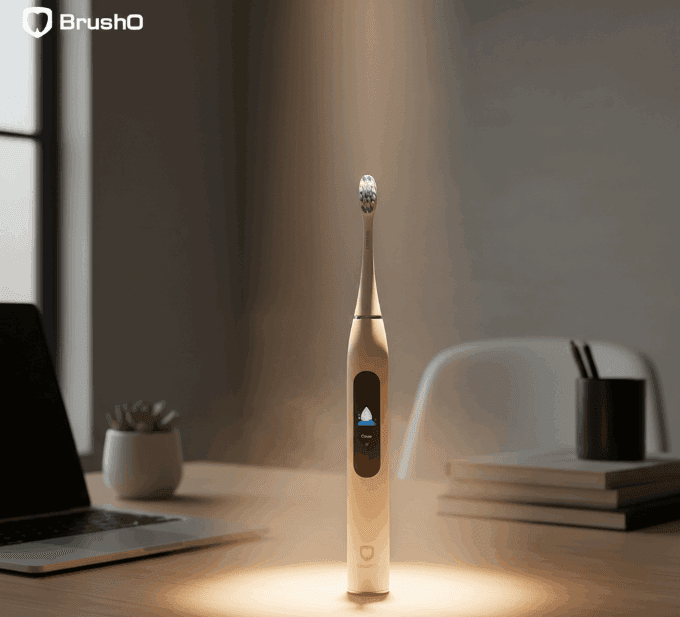
Smart brushing platforms such as BrushO support consistent technique by:
• Monitoring brushing coverage
• Reinforcing routine consistency
• Guiding full-mouth cleaning
This helps reduce bacterial survival windows before sleep begins.
Midnight sugar consumption shifts the oral environment in favor of acid-producing bacteria at a time when natural defenses are weakest. Over time, this habit contributes to enamel degradation, gum irritation, and broader health implications linked to inflammation and metabolic balance. Preventive brushing, informed dietary choices, and consistent hygiene monitoring remain the most effective strategies for maintaining oral stability despite occasional cravings.
Feb 9
Feb 23

If you are thirsty after brushing, choose plain water. Plan your usual bedtime drink before brushing and skip the immediate rinse at the sink.

Waterpik recommends warm water for its flossers. Check your own model and use comfortably lukewarm water if cold water feels sharp.

Let an intact handle return to room temperature before you consider charging it. Check your manual and watch for signs of battery or housing damage.

Lift away the paste, check the care label, and use cool water on washable fabric. Here is a quick approach for a fresh spot.

Turn the brush off, then check the fit, the connection, and the condition of the head. A second compatible head can help you narrow it down.

Look for a clean, rigid container with a secure lid and keep it with your belongings. A napkin on a lunch tray is easy to clear away.

Check the care directions for your clear retainer. Clinics give different instructions, and the right cleaning method depends on the appliance you received.

Try a gentle rinse first. If the hull sits between teeth and floss moves freely, make a careful pass and stop if it still feels stuck.

A tight gap or rough edge can catch floss. Notice where it snags, keep the movement gentle, and find out when to ask your dentist to check.

Your first sip can taste sharp after brushing. Here is what may be changing and how to make breakfast taste like breakfast again.

Construa uma rede de dados de saúde bucal rapidamente e com baixo custo de forma que todos possam construir.
Construa uma rede de dados de saúde bucal rapidamente e com baixo custo de forma que todos possam construir.


Address: RM 1427, 14/F RADIO CITY 505, HENNESSY RD CAUSEWAY BAY, HONG KONG
Code: 000000
Phone: +852-53758652
Email: customerservice@brusho.com