
Saliva is more than just moisture in your mouth—it’s a diagnostic powerhouse. From hydration status to hormone levels and even disease detection, your saliva reflects your overall health in real time. Understanding what saliva can tell you—and how smart oral hygiene supports it—is essential to long-term wellness.
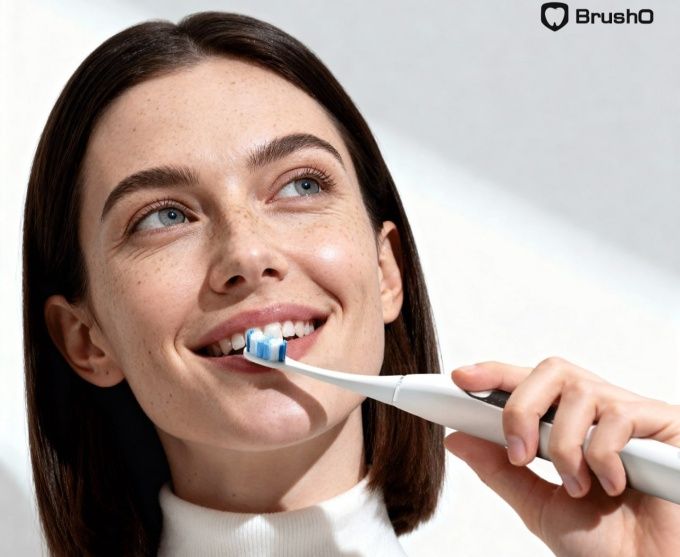
Saliva plays a critical role in oral and systemic health. It:
• Washes away food particles and bacteria
• Neutralizes acids to protect enamel
• Aids in digestion with enzymes like amylase
• Fights pathogens through immune proteins (like IgA)
• Maintains oral microbiome balance
Changes in saliva composition can indicate underlying health conditions—making your mouth a frontline health indicator.
Here’s what your saliva might reveal:
Dry mouth, sticky saliva, or difficulty swallowing are often early signs of dehydration. This can affect everything from oral health to kidney function.
A healthy mouth has a slightly alkaline pH. Acidic saliva can:
• Encourage bacterial growth
• Accelerate enamel erosion
• Indicate high sugar or acidic food intake
Low salivary immune proteins like IgA can signal immune suppression or chronic stress. Saliva can also show markers of inflammation linked to systemic diseases.
Saliva can reflect fluctuations in hormones such as cortisol, estrogen, or testosterone—providing clues about stress, sleep disorders, or reproductive health.
People with diabetes often experience thick, low-flow saliva and an increased risk of gum disease. Saliva can be an early warning system for metabolic changes.
Emerging research suggests that certain salivary proteins and enzymes may be used to detect conditions like:
• Oral cancer
• Viral infections (like COVID-19)
• Alzheimer’s and Parkinson’s (in early-stage research)
Changes in saliva composition directly influence how effective your brushing is:
• Low saliva = higher cavity risk due to reduced cleansing
• Acidic saliva = enamel vulnerability after meals or during illness
• Bacterial imbalance = more plaque and bad breath
That’s why oral care needs to adapt to your saliva’s condition—not just follow a routine blindly.
BrushO’s AI-powered brushing experience enhances your saliva’s protective benefits:
BrushO encourages brushing at optimal times (e.g., morning and night) to reduce overnight bacterial growth that saliva can’t wash away.
Thorough 6-zone, 16-surface feedback ensures all plaque is removed—especially important when low saliva reduces natural cleaning.
Smart sensors protect weakened enamel from harsh brushing that could compound damage from acidic saliva or dehydration.
The app tracks habits and flags inconsistencies, helping users maintain a brushing rhythm aligned with saliva performance and daily stressors.
To maintain a healthy oral environment:
• Stay hydrated throughout the day
• Chew sugar-free gum to stimulate saliva
• Limit acidic or sugary foods
• Brush twice daily with BrushO’s smart modes
• Visit your dentist if you experience persistent dry mouth or a strange taste
Your saliva is a window into your body’s internal balance. From immune health to hormonal status, it offers constant feedback—if you know how to read the signs. With smart oral care tools like BrushO, you can take control of your brushing routine, support your saliva’s natural defenses, and maintain both oral and whole-body health.
Jan 15
Jan 15

Water that leaves a dental unit is not sterile, and it has not been sterile for decades. The narrow tubing that carries coolant to the handpiece and the air-water syringe provides an ideal surface for a biofilm that sheds organisms into every patient's mouth. Sterilisation of the instruments does...

A young adult presents with soreness of the gums, and the examination shows a striking change that is easily mistaken for severe periodontal disease: the mucosa is thickened, folded and studded with tiny yellow pustules that rupture to leave shallow ulcers resembling snail tracks. This is pyostom...

A patient who becomes cyanosed minutes after an apparently routine infiltration, yet keeps talking and breathing comfortably, presents a diagnostic trap. The saturation monitor reads in the eighties, supplemental oxygen changes nothing, and the chest sounds clear. This is the classic signature of...

Most patients with clicking, locking and jaw pain improve with reassurance, soft diet, splint therapy and physical measures. A minority do not, and their imaging shows a displaced disc with degenerative change, a shortened condyle or a persistent closed lock. For that group, two operations compet...

A slowly growing palatal swelling that the patient has noticed for two years, a minor salivary gland tumor that looks deceptively well demarcated, and a nerve that carries tumor cells far beyond the visible mass: this is the natural history of adenoid cystic carcinoma. It is uncommon, it is rarel...

Saliva is easy to overlook until its volume changes. An excess produces drooling that soils clothing and isolates a patient socially, while a painless enlargement of both parotid glands raises the question of systemic disease. Sialorrhea and sialadenosis sit at opposite ends of the same physiolog...

When caries in a primary molar reaches the pulp but the tooth can still be restored and the supporting bone is intact, pulpectomy offers a way to keep the tooth comfortable and functional until exfoliation. The procedure removes both the coronal and the radicular pulp and replaces it with a resor...

Disorders of the fibroblast growth factor receptor genes produce some of the most distinctive facial appearances in medicine, and the two extremes are instructive. Pfeiffer syndrome allows survival with staged craniofacial surgery, while thanatophoric dysplasia is almost always lethal in the neon...

A panoramic radiograph that shows a uniformly dense mandible or maxilla can indicate an entirely benign finding, such as a dense bone island or a torus, or it can be the first clue to a generalized skeletal disorder. Osteopetrosis and the broader group of osteosclerotic conditions differ greatly ...

A patient who cannot open the mouth more than a finger breadth, yet whose temporomandibular joint still moves on imaging, presents one of the most easily misdiagnosed problems in oral surgery. The restriction in such cases lies outside the joint, and the condition is termed pseudoankylosis. An el...

Construa uma rede de dados de saúde bucal rapidamente e com baixo custo de forma que todos possam construir.
Construa uma rede de dados de saúde bucal rapidamente e com baixo custo de forma que todos possam construir.


Address: RM 1427, 14/F RADIO CITY 505, HENNESSY RD CAUSEWAY BAY, HONG KONG
Code: 000000
Phone: +852-53758652
Email: customerservice@brusho.com