
It might feel like a harmless nervous tic—chewing on your pen while thinking or working. However, this seemingly innocent habit can have a significant impact on your oral health. Biting pens or other non-food objects is not just unsanitary; it can lead to chipped teeth, enamel wear, jaw stress, and even long-term dental complications. In this article, we’ll explore how biting pens damages your teeth, why it’s more dangerous than you might expect, and what dentists recommend to protect your smile.
Biting pens is often a subconscious behavior triggered by:
• Stress or anxiety
• Concentration or boredom
• Oral fixation (similar to nail biting or chewing ice)
While it may provide temporary relief or focus, the habit can be destructive if left unchecked.
The plastic body of a pen is much harder than your tooth enamel. Repeated pressure can cause microfractures in the enamel, weakening the protective outer layer and increasing the risk of cavities, sensitivity, and erosion.
A single bite in the wrong spot—or repeated stress over time—can cause teeth to chip or crack, especially if there are already fillings or weak points. These fractures often require restorative dental treatments like bonding, crowns, or even root canals.
Consistent pressure in the same area can slowly shift your teeth out of alignment, especially in young adults or children whose dental arches are still forming. This can undo years of orthodontic work or create new bite issues.
When pens are placed near the gums or chewed at an angle, they can cause abrasions, inflammation, or cuts in the soft tissues. In some cases, this can lead to infection.
Chronic pen biting puts undue stress on the temporomandibular joint (TMJ), leading to jaw discomfort, clicking sounds, or headaches. Over time, this can develop into a painful disorder.
Biting pens also pose bacterial risks. Pens are not designed to be in your mouth and often carry bacteria from desks, bags, or hands—leading to possible oral infections or sore throats.
Awareness is the first step. Keep track of when and why you bite pens. Are you anxious? Distracted? Replacing the habit with something healthier is key.
Sugar-free gum or chewable silicone tools (especially for kids or those with sensory needs) can provide oral stimulation without harming the teeth.
If anxiety is a trigger, consider relaxation techniques such as deep breathing, fidget toys, or mindfulness practices to redirect the impulse.
If you’ve been biting pens for years, it’s a good idea to get a check-up. A dentist can evaluate if there’s already enamel wear, chips, or alignment issues and advise on next steps.
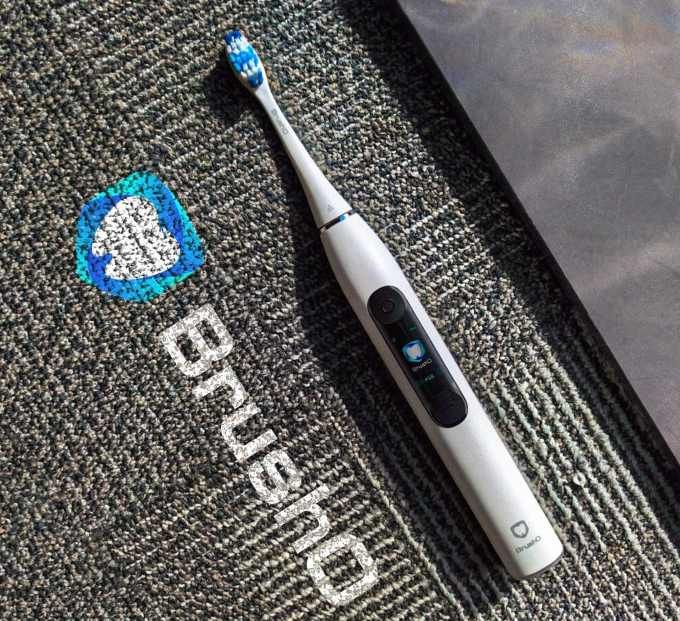
With BrushO’s brushing score system and AI-based feedback, users can track uneven wear, get reminders about oral health habits, and detect early signs of damage caused by habits like pen chewing. The app’s smart analysis reports show if your brushing pressure is uneven or if one area of your mouth is experiencing more stress—often a sign of unconscious chewing or grinding behaviors.
While it may seem minor, biting pens can cause serious damage to your teeth and gums over time. From chipped enamel to jaw problems, the risks are real—but avoidable. By raising awareness, adopting better coping strategies, and using smart oral care tools like BrushO, you can protect your smile and kick the habit for good.

The uncontrolled hypertension is the condition that the dental practice meets in the patient who presents with the elevated pressure that the guideline does not permit for the elective treatment, and the management of this patient requires the deferral of the dental procedure and the referral to ...

The closure of the extraction space in the orthodontic treatment is the phase that demands the careful selection of the mechanics and the monitoring of the force that the appliance delivers. The sliding mechanics that rely on the continuous archwire and the power chain that connects the brackets ...

The transverse discrepancy of the maxilla is the problem that the crowding and the posterior crossbite often hide, and the maxillary expansion is the treatment that addresses the width of the arch rather than the position of the individual tooth. The clinician who diagnoses the constriction early...

The local anaesthesia is the daily procedure that the modern dentistry treats as the routine, and the complications that follow it range from the transient and the trivial to the permanent and the serious. The clinician who injects by the habit without the anatomy in the mind is the clinician who...

The hypertension is the condition that the dental practice meets in the every day, and the patient who carries the elevated pressure without the symptoms is the patient who presents the risk that the chair-side measurement reveals. The dental team occupies the position that no other profession ho...

The glass-ceramic crown has become the default restoration for the anterior and the many posterior teeth, and the material selection within the family is the decision that determines the strength, the aesthetics, and the longevity of the result. The lithium disilicate, the leucite, and the zircon...

The dental phobia is the extreme form of the dental fear that prevents the patient from attending the treatment that the oral health requires, and the management of the phobia demands the skill that extends beyond the routine behaviour guidance. The systematic desensitization, the exposure therap...

The dental fear of the child is the condition that shapes the attitude for the lifetime, and the clinician who manages the first visits with the skill builds the patient who attends the recall without the dread. The fear that the child develops follows the many sources, and the practice that reco...

The patient with controlled hypertension is the patient who requires the dental care that the oral health demands and the treatment that the blood pressure permits, and the clinician who manages the controlled case safely follows the guideline that the evidence supports. The controlled hypertensi...

The ceramic veneer is the restoration that the aesthetic dentistry depends on, and the bond that retains the veneer on the enamel is the critical link that determines whether the restoration survives the function or fractures and debonds. The clinical technique from the preparation to the cementa...

Быстро и недорого построить сеть данных о здоровье зубов, способную создавать каждый.


Address: RM 1427, 14/F RADIO CITY 505, HENNESSY RD CAUSEWAY BAY, HONG KONG
Code: 000000
Phone: +852-53758652
Email: customerservice@brusho.com