
Nail biting is often dismissed as a nervous habit or a childhood behavior people never outgrow. But behind this seemingly minor action lies a surprising threat to your oral health. From microscopic enamel damage to jaw strain and gum irritation, nail biting can quietly undermine the health of your teeth over time—often without immediate pain or obvious warning signs. Understanding how nail biting affects your teeth is the first step toward preventing long-term damage and maintaining a healthy smile.
Unlike food, fingernails are hard, uneven, and often contaminated with bacteria. Repeated pressure from nail biting puts your teeth under stress, they were never designed to handle.
• Micro-cracks in tooth enamel
• Uneven tooth wear
• Increased tooth sensitivity
• Higher risk of chipped or fractured teeth
Because the damage happens gradually, many people don’t connect nail biting with their dental problems until visible issues appear.
Your tooth enamel is strong—but not indestructible. Constant biting against hard nail edges wears down enamel, especially on the front teeth. Once enamel is damaged, it cannot regenerate.
• Teeth become more sensitive to hot and cold
• Stains penetrate more easily
• The risk of cavities increases
What starts as a stress habit can eventually lead to irreversible tooth damage.
Nail biting often involves unnatural jaw positioning and repetitive pressure. This can strain the jaw muscles and contribute to:
• Jaw pain or tightness
• Clicking or popping sounds when opening the mouth
• Bite misalignment over time
In some cases, chronic nail biting can worsen symptoms of bruxism (teeth grinding), further increasing tooth wear and jaw discomfort.
Fingernails carry bacteria from everything you touch—phones, keyboards, door handles. When nails repeatedly contact the mouth, bacteria transfer directly to the gums and teeth.
This can increase the risk of:
• Gum inflammation
• Bleeding gums
• Oral infections
If small cuts or irritation already exist around the gumline, bacteria can enter more easily, slowing healing and worsening gum health.
Unlike cavities or toothaches, nail-biting damage doesn’t cause immediate pain. The signs are subtle:
• Slight sensitivity
• Minor chipping
• Gum tenderness
• Jaw fatigue
By the time visible damage appears, the habit may already have caused lasting effects.
Breaking the habit is ideal—but protecting your teeth in the meantime is essential.
• Keeping nails trimmed short to reduce biting impact
• Using bitter-tasting nail treatments to discourage biting
• Managing stress triggers that lead to nail biting
• Maintaining excellent oral hygiene to reduce bacterial risk
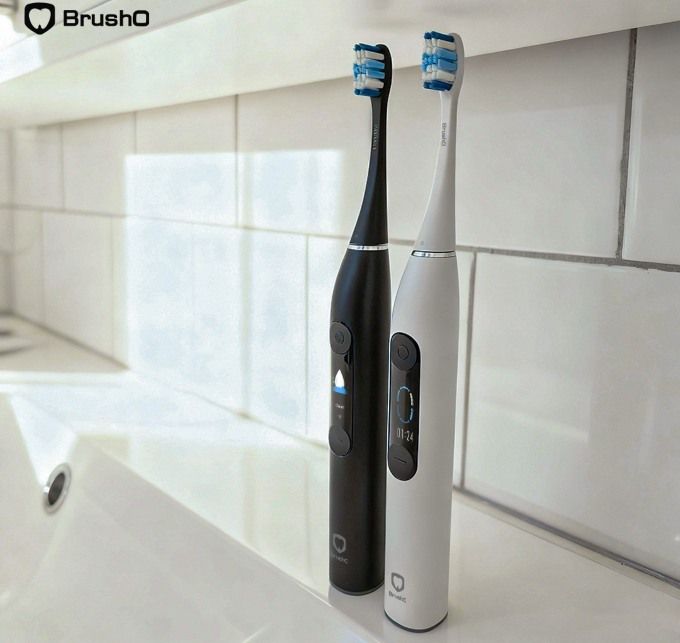
Using smart oral care tools can also help. Toothbrushes with pressure awareness and brushing feedback—like BrushO—support healthier enamel and gum protection by ensuring gentle, effective brushing that compensates for everyday habits that strain teeth.
Nail biting is more than a cosmetic habit—it’s a silent threat to your teeth, gums, and jaw health. From enamel erosion to bacterial exposure, the long-term effects can be significant if left unaddressed. By understanding the risks and taking proactive steps, you can protect your teeth before small habits turn into lasting dental problems.
BrushO is an AI-powered smart toothbrush designed to protect teeth and gums through precision brushing guidance. By monitoring pressure, coverage, and brushing habits in real time, BrushO helps users reduce enamel damage, improve gum health, and build smarter daily oral care routines—especially important for those with stress-related habits like nail biting.

If you are thirsty after brushing, choose plain water. Plan your usual bedtime drink before brushing and skip the immediate rinse at the sink.

Waterpik recommends warm water for its flossers. Check your own model and use comfortably lukewarm water if cold water feels sharp.

Let an intact handle return to room temperature before you consider charging it. Check your manual and watch for signs of battery or housing damage.

Lift away the paste, check the care label, and use cool water on washable fabric. Here is a quick approach for a fresh spot.

Turn the brush off, then check the fit, the connection, and the condition of the head. A second compatible head can help you narrow it down.

Look for a clean, rigid container with a secure lid and keep it with your belongings. A napkin on a lunch tray is easy to clear away.

Check the care directions for your clear retainer. Clinics give different instructions, and the right cleaning method depends on the appliance you received.

Try a gentle rinse first. If the hull sits between teeth and floss moves freely, make a careful pass and stop if it still feels stuck.

A tight gap or rough edge can catch floss. Notice where it snags, keep the movement gentle, and find out when to ask your dentist to check.

Your first sip can taste sharp after brushing. Here is what may be changing and how to make breakfast taste like breakfast again.

Быстро и недорого построить сеть данных о здоровье зубов, способную создавать каждый.


Address: RM 1427, 14/F RADIO CITY 505, HENNESSY RD CAUSEWAY BAY, HONG KONG
Code: 000000
Phone: +852-53758652
Email: customerservice@brusho.com