
When people think about whiter teeth, they often turn to whitening strips, LED kits, or bleaching treatments. But what if the first step to a whiter smile starts with how you brush? Smart toothbrushes—like BrushO—are transforming the daily brushing routine into a data-driven system that helps remove surface stains more consistently and thoroughly than manual brushing ever could. This article explores how smart brushing contributes to naturally whiter teeth, why brushing technique matters more than toothpaste, and how AI-powered tools personalize care for lasting results.
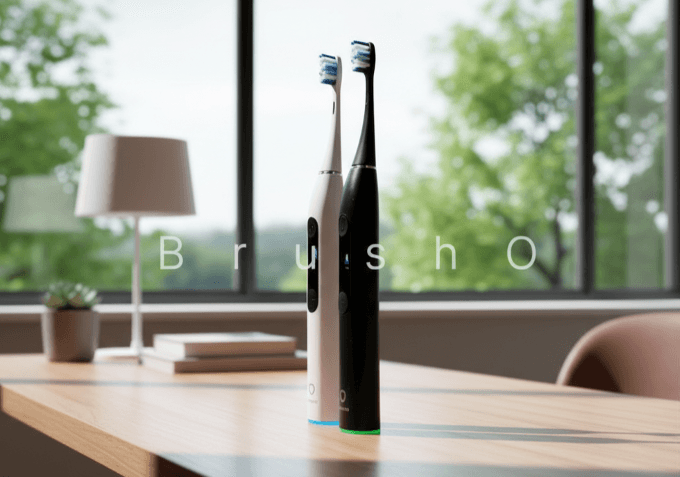
Most people assume whitening = chemicals or whitening toothpaste. But the reality is:
• 90% of tooth discoloration starts with surface stains from food, drink, and plaque buildup.
• These stains are best removed before they set, through daily brushing.
• Even the best whitening product won’t be effective if plaque covers the enamel.
Smart brushing enhances plaque removal, stain prevention, and targeted coverage—making it the foundation for natural whitening.
BrushO uses AI to divide the mouth into 6 zones and 16 surfaces, ensuring you never over-brush some areas and neglect others. This balanced coverage prevents:
• Yellow patches near the gumline
• Missed back molars with stain buildup
• Uneven wear of enamel
Consistent brushing in all zones = consistent stain removal.
Brushing too hard can erode enamel, making teeth appear:
• Dull or translucent
• More yellow (as dentin shows through)
Smart toothbrushes like BrushO detect when users apply too much pressure and guide them in real-time to adjust. This helps preserve the natural luster and reflectivity of teeth.
It’s not enough to brush for 2 minutes. It’s about:
• Consistency
• Coverage
• Correct motion
BrushO provides feedback after every brushing session with:
• Coverage scores
• Surface-by-surface analysis
• Improvement tips
Over time, these help users form lasting techniques that improve both cleanliness and aesthetics.
Not every user needs the same brushing pattern. BrushO’s AI:
• Learns which zones you consistently under-brush
• Detects where stain accumulation is more common
• Adjusts reminders and scoring to guide your progress
This personalized feedback loop leads to visibly cleaner—and whiter—teeth within weeks.
Whitening toothpaste often contains:
• Abrasives (which can wear enamel)
• Peroxide (which may irritate gums)
• Optical brighteners (temporary illusion of whiteness)
However, without effective brushing:
• They won’t reach stains hidden by plaque
• They can’t substitute mechanical cleaning
Smart brushing ensures toothpaste is used most efficiently—maximizing contact time and removing plaque barriers.
BrushO isn’t just a whitening tool—it’s a full-system smart brushing experience:
• FSB (Fully Smart Brushing) engine
• App-based reports with gamified scores
• Dynamic feedback to encourage improvement
• Support for reward systems and habit tracking
Used daily, it promotes not just whiter teeth, but healthier gums, fresher breath, and better overall oral health.
If you’re chasing whiter teeth, start with your brushing habits—not just products. Smart toothbrushes like BrushO help you remove more plaque, avoid enamel damage, and target stain-prone areas with precision. When brushing becomes tech-enabled and personalized, the results go beyond clean—they become visible in your smile.
Jan 26
Jan 26

The uncontrolled hypertension is the condition that the dental practice meets in the patient who presents with the elevated pressure that the guideline does not permit for the elective treatment, and the management of this patient requires the deferral of the dental procedure and the referral to ...

The closure of the extraction space in the orthodontic treatment is the phase that demands the careful selection of the mechanics and the monitoring of the force that the appliance delivers. The sliding mechanics that rely on the continuous archwire and the power chain that connects the brackets ...

The transverse discrepancy of the maxilla is the problem that the crowding and the posterior crossbite often hide, and the maxillary expansion is the treatment that addresses the width of the arch rather than the position of the individual tooth. The clinician who diagnoses the constriction early...

The local anaesthesia is the daily procedure that the modern dentistry treats as the routine, and the complications that follow it range from the transient and the trivial to the permanent and the serious. The clinician who injects by the habit without the anatomy in the mind is the clinician who...

The hypertension is the condition that the dental practice meets in the every day, and the patient who carries the elevated pressure without the symptoms is the patient who presents the risk that the chair-side measurement reveals. The dental team occupies the position that no other profession ho...

The glass-ceramic crown has become the default restoration for the anterior and the many posterior teeth, and the material selection within the family is the decision that determines the strength, the aesthetics, and the longevity of the result. The lithium disilicate, the leucite, and the zircon...

The dental phobia is the extreme form of the dental fear that prevents the patient from attending the treatment that the oral health requires, and the management of the phobia demands the skill that extends beyond the routine behaviour guidance. The systematic desensitization, the exposure therap...

The dental fear of the child is the condition that shapes the attitude for the lifetime, and the clinician who manages the first visits with the skill builds the patient who attends the recall without the dread. The fear that the child develops follows the many sources, and the practice that reco...

The patient with controlled hypertension is the patient who requires the dental care that the oral health demands and the treatment that the blood pressure permits, and the clinician who manages the controlled case safely follows the guideline that the evidence supports. The controlled hypertensi...

The ceramic veneer is the restoration that the aesthetic dentistry depends on, and the bond that retains the veneer on the enamel is the critical link that determines whether the restoration survives the function or fractures and debonds. The clinical technique from the preparation to the cementa...

Быстро и недорого построить сеть данных о здоровье зубов, способную создавать каждый.


Address: RM 1427, 14/F RADIO CITY 505, HENNESSY RD CAUSEWAY BAY, HONG KONG
Code: 000000
Phone: +852-53758652
Email: customerservice@brusho.com