
Many people believe that brushing their teeth twice a day is enough to maintain good oral health—but brushing the wrong way can be just as damaging as not brushing at all. Over time, poor brushing techniques can lead to enamel wear, gum recession, chronic inflammation, and even early tooth loss. This article explores the hidden consequences of incorrect brushing, how to identify the signs, and how AI-powered solutions like BrushO can help you correct your habits before they turn into long-term dental issues.
Brushing twice a day is a good start, but how you brush is equally important. Aggressive scrubbing, incorrect angles, skipping zones, and short brushing durations can all reduce brushing effectiveness while accelerating damage.
• Applying too much pressure
• Using a toothbrush with stiff bristles
• Brushing for less than 2 minutes
• Missing hard-to-reach zones like molars or gumline
• Skipping brushing after acidic meals
Brushing too hard or too soon after consuming acidic food can erode the enamel layer. Since enamel doesn’t regenerate, this can lead to permanent sensitivity and discoloration.
Excessive pressure or horizontal scrubbing pulls the gum tissue away from the teeth, exposing sensitive roots and increasing the risk of decay.
Exposed dentin from enamel wear or receding gums can cause discomfort when consuming hot, cold, or sweet foods.
Missing zones during brushing allows plaque buildup, which leads to bacterial growth and decay, especially in tight areas like between teeth or near the gumline.
Over time, chronic inflammation from poor brushing can weaken the supporting structures of teeth, increasing the likelihood of tooth mobility and loss.
You might not feel pain until the damage is done. Look out for:
• Teeth that look longer (a sign of gum recession)
• Yellowish appearance despite regular brushing
• Sharp sensitivity to temperature or sweets
• Bleeding while brushing or flossing
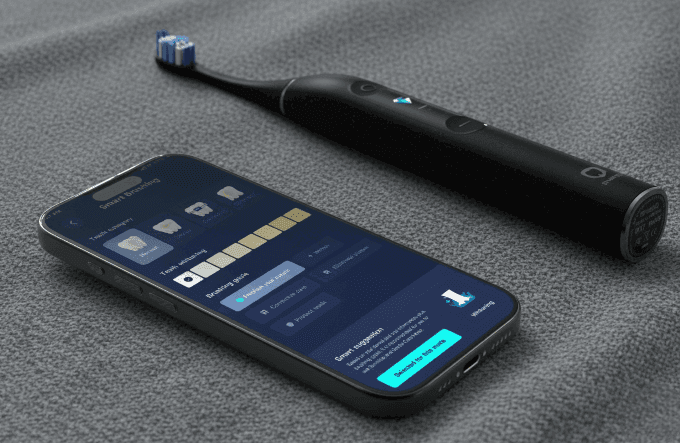
AI-powered smart toothbrushes like BrushO solve these issues before they cause long-term damage. Features include:
Notifies you when you’re brushing too hard—helping prevent enamel wear and gum recession.
With 6-zone and 16-surface tracking, BrushO ensures every area of your mouth gets proper attention.
Built-in timer and zone guide help you maintain consistent, effective brushing every time.
Receive detailed brushing reports in the app to track improvement and spot risky habits.
BrushO motivates long-term improvement by rewarding good brushing with free brush heads and more.
• Use a soft-bristled toothbrush or switch to an AI-powered brush
• Hold the brush at a 45-degree angle to the gumline
• Use small, circular motions instead of back-and-forth scrubbing
• Don’t brush immediately after acidic food or drinks—wait 30 minutes
• Floss before brushing to loosen debris
• Rinse gently with fluoride mouthwash afterward
Brushing daily isn’t enough—brushing correctly is what protects your teeth and gums for life. The long-term effects of poor technique may not be visible at first, but can lead to serious and irreversible damage. Fortunately, smart solutions like BrushO help you build better brushing habits with precision feedback, coverage tracking, and pressure monitoring. With proper technique and the right tools, you can preserve your smile for decades to come.
Jan 27
Jan 27

Saliva has moved from the byproduct of the examination to the fluid that the modern practice can read, and the diagnostics that the salivary sample supports now reach from the caries risk to the periodontal inflammation and beyond. The fluid is easy to collect, safe to handle, and rich in the pro...

The narrow alveolar ridge is the common obstacle that the implant plan meets in the healed posterior site, and the ridge split technique is the approach that widens the crest without the block graft and the second surgical site. The technique uses the viscoelastic property of the bone, and the co...

The resin-bonded bridge is the conservative alternative to the conventional fixed prosthesis, and its place in the modern practice has widened as the adhesive dentistry matured. The prosthesis replaces the missing tooth with the minimal removal of the enamel from the abutment, and the retention i...

The systemic antibiotic has a defined and a narrow place in the periodontal therapy, and the clinician who respects its limits uses it well while the clinician who reaches for it routinely erodes both the result and the antibiotic stewardship. The mechanical debridement remains the foundation of ...

The bond failure of the bracket is the interruption that the fixed orthodontic treatment can tolerate in the small number but not in the pattern, and the clinician who understands the cause reduces the frequency that the repeated rebonding records. The failure that recurs on the single tooth poin...

The prescription pad is one of the most common sources of the oral complaint that the patient brings to the dental office, and the clinician who does not think of the medication may spend the appointment treating the symptom that the drug created. The list of the agents that affect the mouth grow...

The intraoral scanner has moved from the novelty of the early adopters to the standard equipment of the modern prosthodontic practice, and the comparison with the conventional impression has become a daily question rather than an academic one. The scanner captures the surface of the teeth and the...

The endodontic retreatment is the second chance that the tooth receives when the initial treatment fails to resolve the infection or the symptoms, and the procedure is both more demanding and more rewarding than the primary treatment. The clinician who retreats the tooth encounters the filling ma...

The access preparation is the gateway of every root canal treatment, and it is the step at which the outcome of the case is most often decided, for good or for ill. A well-designed access straightens the canal system, removes the coronal obstruction, and allows the instruments and the irrigants t...

The restoration that the laboratory returns is only as good as the information that the clinician sends, and the communication between the dentist and the technician is the step that determines whether the crown, the veneer, or the bridge meets the expectation of the patient. The shade, the form,...

Быстро и недорого построить сеть данных о здоровье зубов, способную создавать каждый.


Address: RM 1427, 14/F RADIO CITY 505, HENNESSY RD CAUSEWAY BAY, HONG KONG
Code: 000000
Phone: +852-53758652
Email: customerservice@brusho.com