
Even with the best intentions, many kids struggle to brush their teeth properly—especially when it comes to reaching corners, molars, and gumlines. Missed areas during brushing can lead to plaque buildup, cavities, and long-term dental issues. But why do children often leave parts of their mouths uncleaned? In this article, we’ll explore the reasons behind this common issue and how smart brushing habits can make a big difference. Whether you’re a parent or a caregiver, understanding the problem is the first step to solving it.
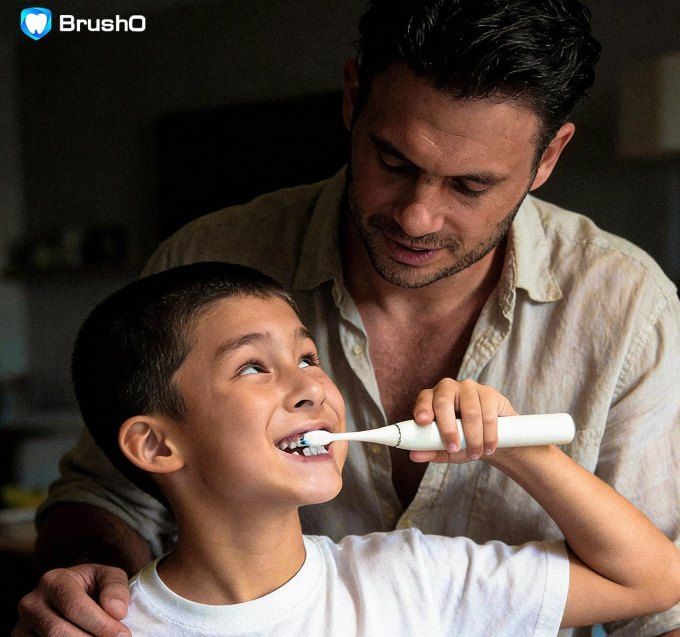
Children, especially those under 8, haven’t fully developed the motor skills needed for precise brushing. They may not have the hand strength or coordination to:
• Angle the toothbrush properly
• Apply the right amount of pressure
• Reach the back molars or upper corners
This leads to inconsistent coverage, with key areas left untouched.
Let’s face it—brushing teeth isn’t the most exciting task for a child. Most kids:
• Rush through brushing in under 30 seconds
• Skip areas to “get it over with”
• Forget to clean the inner sides or back molars
Without supervision, children are unlikely to spend the full 2 minutes and cover all zones of their mouth.
Kids often don’t realize which parts of their mouth they’re neglecting. Unlike adults, they don’t feel or see the consequences of:
• Missed plaque along the gumline
• Food stuck between teeth
• Uneven brushing pressure
This lack of feedback leads to habitual skipping of the same zones.
Many children are taught to “just brush up and down,” which is insufficient. Without proper guidance on:
• Brushing in circular motions
• Covering all tooth surfaces
• Cleaning the tongue and gumline
They’re more likely to use poor technique, missing critical areas.
When children consistently miss parts of their mouth, it can result in:
• Plaque buildup in hard-to-reach zones
• Tooth decay, especially in back molars
• Gum inflammation and early signs of gingivitis
• Bad breath caused by bacterial growth
Long-term poor brushing can lead to dental anxiety, expensive treatments, and discomfort during cleanings.
BrushO’s AI-powered toothbrush is designed to solve these problems with real-time, kid-friendly guidance:
• Tracks which areas have been brushed
• Alerts kids (and parents) when zones are missed
• Encourages complete, even coverage
• Prevents kids from brushing too hard (which can harm gums)
• Guides correct circular motion through haptic or visual cues
• View daily brushing history and performance
• Identify patterns of neglect and address them early
• Get notifications when brushing routines are skipped
• Kids earn rewards for brushing thoroughly
• Turns brushing into a gamified experience
• Builds long-term habits through positive reinforcement
Here’s how you can help your child improve brushing habits:
• Brush together to model good technique
• Use a mirror so kids can see what they’re doing
• Play a 2-minute song or timer
• Use a smart brush like BrushO to provide structure and fun
• Avoid sugary snacks before bed
Brushing corners and molars can be tricky for kids, but it’s not impossible. The key lies in combining education, habit-building, and the right tools. With BrushO’s smart technology, kids don’t just brush—they learn how to brush better. And with every properly cleaned tooth, they move closer to a lifetime of healthy smiles.

The uncontrolled hypertension is the condition that the dental practice meets in the patient who presents with the elevated pressure that the guideline does not permit for the elective treatment, and the management of this patient requires the deferral of the dental procedure and the referral to ...

The closure of the extraction space in the orthodontic treatment is the phase that demands the careful selection of the mechanics and the monitoring of the force that the appliance delivers. The sliding mechanics that rely on the continuous archwire and the power chain that connects the brackets ...

The transverse discrepancy of the maxilla is the problem that the crowding and the posterior crossbite often hide, and the maxillary expansion is the treatment that addresses the width of the arch rather than the position of the individual tooth. The clinician who diagnoses the constriction early...

The local anaesthesia is the daily procedure that the modern dentistry treats as the routine, and the complications that follow it range from the transient and the trivial to the permanent and the serious. The clinician who injects by the habit without the anatomy in the mind is the clinician who...

The hypertension is the condition that the dental practice meets in the every day, and the patient who carries the elevated pressure without the symptoms is the patient who presents the risk that the chair-side measurement reveals. The dental team occupies the position that no other profession ho...

The glass-ceramic crown has become the default restoration for the anterior and the many posterior teeth, and the material selection within the family is the decision that determines the strength, the aesthetics, and the longevity of the result. The lithium disilicate, the leucite, and the zircon...

The dental phobia is the extreme form of the dental fear that prevents the patient from attending the treatment that the oral health requires, and the management of the phobia demands the skill that extends beyond the routine behaviour guidance. The systematic desensitization, the exposure therap...

The dental fear of the child is the condition that shapes the attitude for the lifetime, and the clinician who manages the first visits with the skill builds the patient who attends the recall without the dread. The fear that the child develops follows the many sources, and the practice that reco...

The patient with controlled hypertension is the patient who requires the dental care that the oral health demands and the treatment that the blood pressure permits, and the clinician who manages the controlled case safely follows the guideline that the evidence supports. The controlled hypertensi...

The ceramic veneer is the restoration that the aesthetic dentistry depends on, and the bond that retains the veneer on the enamel is the critical link that determines whether the restoration survives the function or fractures and debonds. The clinical technique from the preparation to the cementa...

Быстро и недорого построить сеть данных о здоровье зубов, способную создавать каждый.


Address: RM 1427, 14/F RADIO CITY 505, HENNESSY RD CAUSEWAY BAY, HONG KONG
Code: 000000
Phone: +852-53758652
Email: customerservice@brusho.com