
Your upcoming dental appointment is more than just a cleaning—it’s an opportunity to show your dentist the results of your daily oral care. But how do you know you’re truly ready? This article offers a comprehensive oral health checklist to follow before your next dental visit, ensuring that you walk in with clean teeth, healthy gums, and confidence. From checking plaque levels and gum health to brushing with AI-powered feedback from tools like BrushO, every tip is grounded in science and designed to elevate your oral hygiene game.
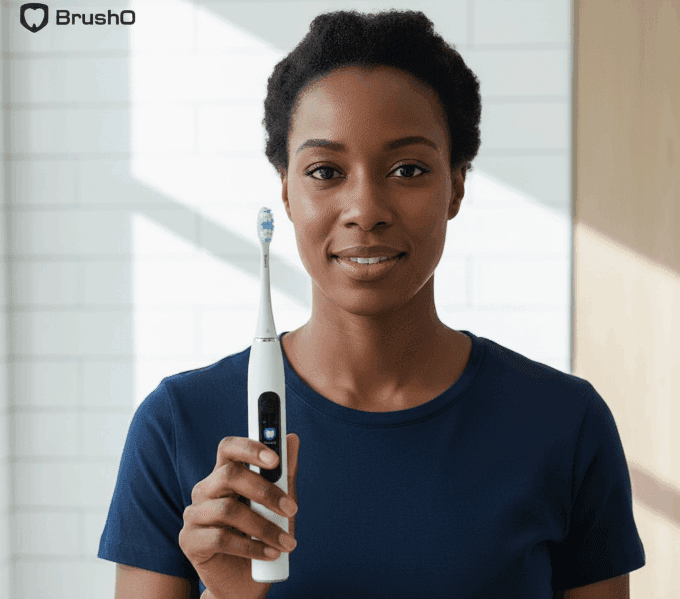
Many people treat dental appointments as passive check-ins. But preparation can greatly improve your outcomes. Dentists can better assess your baseline oral health, spot improvements, and recommend personalized care plans if your oral hygiene is already in good shape. Using a smart toothbrush like BrushO in the days and weeks leading up to your appointment can help ensure your brushing habits are precise, gentle, and comprehensive.
Before your dental visit, ask yourself:
• Are you brushing for 2 full minutes?
• Are you hitting all tooth surfaces?
• Are you brushing the gumline and back molars?
• Are you applying the correct pressure?
Most people unknowingly miss 20–30% of their mouth. Smart toothbrushes like BrushO help eliminate guesswork by:
• Mapping 6 zones and 16 tooth surfaces
• Giving real-time feedback on missed areas
• Warning you about excessive pressure that could damage enamel or gums
Gum disease is one of the most common issues spotted during dental visits. In the days before your appointment:
• Look for redness, swelling, or bleeding when brushing
• Use BrushO’s app report to identify areas with consistent overpressure
• Switch to BrushO’s “Gum Care” mode if needed
If you’re experiencing gum tenderness, catching it early could help your dentist provide preventive care rather than reactive treatment.
Flossing should be part of your daily routine—not something you cram in the night before your appointment.
Tips:
• Use string floss or water flossers consistently
• Focus on the areas between molars and around dental work
• Let your BrushO brushing report guide you to where plaque is most likely to linger
Certain foods can stain teeth or irritate gums right before your visit:
• Avoid coffee, tea, red wine, or dark berries
• Skip crunchy or overly acidic foods that may inflame gums
• Rinse with water after every meal
BrushO’s app also reminds you when to brush and rinse for optimal post-meal hygiene.
One of the best ways to prepare is by reviewing your recent BrushO brushing reports:
• Identify weak brushing zones
• Spot any trends like underbrushing or overpressure
• Share your brushing score with your dentist
These insights help your dentist tailor their recommendations and even adjust your cleaning procedure accordingly.
Before heading to your dentist, prepare:
• A list of any oral discomfort or sensitivity
• Products you currently use (toothpaste, brush type)
• Your BrushO usage data (can be exported from the app)
This gives your provider a complete picture of your oral habits.
Brushing your teeth within an hour before your appointment removes surface debris and gives your dentist a clearer view of your actual gum and tooth health. Use BrushO in “Clean” or “Polish” mode for a confident, fresh-mouth feeling right before your check-up.
BrushO combines cutting-edge features that support ideal pre-visit habits:
• AI zone tracking: Never miss critical areas
• Pressure feedback: Prevent gum damage
• Brush & Earn: Reward consistency before your visit
• Daily reports: Visualize your progress
These features turn your pre-appointment prep into a gamified wellness ritual—helping you walk into the clinic knowing your oral hygiene is on point.
Preparing for your dental visit doesn’t need to be complicated. With this checklist and the help of AI tools like BrushO, you can elevate your oral health, impress your dentist, and avoid surprise findings during your check-up. Take control of your oral care. Start with smarter brushing.
Jan 29
Jan 29

Coffee and red wine are two of the most common causes of teeth staining, and the stains they leave behind are often considered a cosmetic nuisance rather than a dental health issue. However, these extrinsic stains can make teeth look dull, yellow or brown, and they can affect a person's confidenc...

Mouth sores and ulcers are common oral health issues that can cause significant discomfort and pain. These lesions can affect eating, speaking, and overall quality of life, and understanding their healing times and treatment options can help patients manage them effectively. From common canker so...

X-ray imaging has been the gold standard for detecting cavities for decades, but laser-based technologies now offer a different approach to finding tooth decay. Laser cavity detection uses fluorescence and laser light to identify changes in tooth structure before they appear on an x-ray, and unde...

Facial furrows are not just a cosmetic concern, they are visible markers of the way skin ages and how it responds to dehydration. Dry skin is one of the most common contributors to early and deepening facial lines, and understanding the underlying causes helps explain why certain areas of the fac...

Grinding or clenching the teeth at night, known as bruxism, is more than a dental issue. The muscles that close the jaw are among the strongest in the body, and their chronic overactivation can trigger headaches, ear pain, facial discomfort and disrupted sleep. The connection between bruxism and ...

Decortication, the deliberate removal of a cortical plate to expose or to decompress the tissue beneath it, appears in oral surgery under several names and in several contexts, from transalveolar extraction of a deeply impacted third molar to alveoloplasty of an irregular ridge and to decompressi...

Lichenoid lesions of the oral mucosa present a diagnostic problem before they present a therapeutic one, because the same white reticulated pattern can represent idiopathic oral lichen planus, a contact reaction to a restoration, a drug eruption, or an entirely benign variation such as leukoedema...

Bone in the adult jaw is never quiescent. Roughly 10 percent of the human skeleton is replaced every year, and the alveolar process turns over faster than most skeletal sites because it is loaded intermittently by mastication and by the forces transmitted through the periodontal ligament. The ost...

Root canal treatment succeeds or fails at the interface between the filling material and the dentin wall, and no material has changed that interface more in the past two decades than the calcium silicate bioceramic sealer. These materials descend from Portland cement, set in the presence of moist...

Ameloblastoma is the most common clinically significant odontogenic tumor, and its behaviour is defined less by its ability to spread than by its tendency to return after apparently complete removal. Conservative surgery preserves function and facial contour, and decortication is the procedure mo...

Xây dựng mạng dữ liệu sức khỏe răng miệng nhanh chóng và chi phí thấp theo cách mọi người đều có thể tham gia.
Xây dựng mạng dữ liệu sức khỏe răng miệng nhanh chóng và chi phí thấp theo cách mọi người đều có thể tham gia.


Address: RM 1427, 14/F RADIO CITY 505, HENNESSY RD CAUSEWAY BAY, HONG KONG
Code: 000000
Phone: +852-53758652
Email: customerservice@brusho.com