
When shopping for an electric toothbrush, the term “waterproof” is often thrown around. But what does it really mean? Can you safely take your toothbrush into the shower, rinse it under running water, or toss it into your gym bag without worry? The truth is, not all waterproof toothbrushes are built the same. Some can handle a splash; others are designed for full submersion. If you’re investing in your daily oral health, understanding toothbrush waterproof ratings, such as IPX7 can help you make a smarter choice—especially when performance and safety matter.
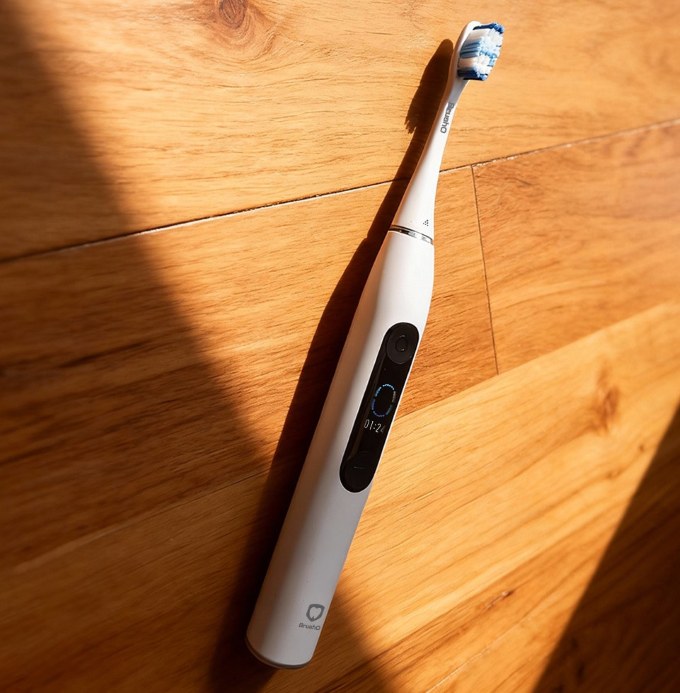
Waterproof claims on electric toothbrushes are typically backed by an IP (Ingress Protection) rating, which tells you how resistant the device is to water. Here’s a quick breakdown:
| IP Rating | Protection Level | Meaning |
| IPX4 | Splash-proof | Can withstand water splashes from any direction. Not safe for submersion. |
| IPX6 | Jet-proof | Resistant to high-pressure water jets. Shower-safe. |
| IPX7 | Waterproof | Can be submerged up to 1 meter for 30 minutes. Ideal for wet environments. |
For a toothbrush you’ll use in humid bathrooms or the shower, IPX7 is the gold standard. It means the device is tightly sealed and safe from water damage under real-life conditions.
Water exposure can damage internal motors and batteries in poorly sealed toothbrushes. A waterproof build extends the lifespan of your device and ensures consistent performance.
Water and electricity don’t mix well. Certified waterproofing protects you from short circuits or malfunctions during wet use, especially in showers or sinks.
A waterproof toothbrush can be thoroughly rinsed under running water. This keeps it cleaner, reduces bacteria buildup, and improves oral hygiene overall.
Whether you’re packing for a trip or using your toothbrush at the gym, waterproofing gives you peace of mind in unpredictable environments. No more worrying about accidental spills or storage in damp toiletry bags.
BrushO is designed for real-life usage—humid mornings, quick rinses, even post-workout showers. Here’s how we ensure our toothbrush is truly waterproof:
• IPX7 Rating Certified: BrushO is independently tested for water resistance, allowing full immersion up to 1 meter.
• Sealed FSB Motor System: Our proprietary motor design ensures no moisture leaks into the core—boosting both safety and lifespan.
• No Charging Port Hassle: With wireless Qi charging, BrushO eliminates exposed ports, a common entry point for water.
• Ergonomic Waterproof Grip: Designed to remain stable in wet hands, improving safety and control.
✅ Check for IPX7 or higher rating
✅ Prefer portless or wireless charging
✅ Look for anti-slip grip materials
✅ Ensure manufacturer certification, not just marketing claims
✅ Read real user reviews about durability in wet conditions
A truly waterproof toothbrush is more than just a convenience—it’s a key feature for long-term hygiene, safety, and confidence in your oral care routine. Whether you’re multitasking in the shower or rinsing off after travel, the right waterproof rating protects your investment.
With BrushO, you’re not only getting IPX7 waterproof security, but also next-gen brushing technology designed for modern lifestyles. Don’t settle for splash-proof. Choose smart, choose safe, choose BrushO.
BrushO is an AI-powered smart toothbrush brand dedicated to redefining oral care. With features like real-time feedback, waterproof durability, and the Brush & Earn rewards program, BrushO empowers you to build smarter, healthier brushing habits that last.

Vitamin D is best known for its role in calcium homeostasis and bone mineralisation, yet it also modulates innate immunity and inflammation, both of which are central to periodontal disease. For that reason it has become one of the most discussed nutrients in periodontology, and the question is w...

The toothbrush aisle offers dozens of options, but the variable that matters most is not the handle colour or the grip. It is the stiffness of the bristles. This article compares soft and medium bristles using the evidence that actually informs clinical advice, from plaque removal to gingival saf...

Few topics generate more parental anxiety than teething, and few are surrounded by more persistent myths. The evidence shows that tooth eruption causes milder and narrower symptoms than most caregivers expect, which means that a distressed infant with a fever usually needs a diagnosis rather than...

What you eat in the week after a tooth extraction shapes how comfortable that week feels and how quickly the socket closes. A soft food diet is not simply an instruction about texture; it protects the blood clot, supplies the nutrients that rebuild tissue and prevents the pressure and suction tha...

A crown that is designed, milled and fitted in a single appointment sounds like a straightforward improvement on the two-visit routine, but the comparison is more nuanced than marketing suggests. Fit, survival and cost all depend on the material and the operator as much as on the technology used ...

Osteoporosis treatment and dental care intersect at a single, serious complication: medication-related osteonecrosis of the jaw. The condition is uncommon but consequential, and the risk is strongly shaped by decisions made long before a tooth becomes a problem, which is why patients and clinicia...

A click in the jaw when opening the mouth is one of the most common findings in dentistry, and one of the least understood by patients. For most people it is a harmless mechanical event, but in a minority it signals a joint problem that benefits from assessment and conservative treatment.

Fluoride is the most effective caries-preventive agent available, and parents encounter it in two very different forms: the toothpaste used at home every day and the varnish applied in the dental chair. The two are complementary rather than competing, and understanding what each contributes preve...

Enamel defects in children range from small white patches that cause no trouble to large areas of missing enamel that expose dentine and break down soon after eruption. Recognising the type of defect and its cause allows clinicians to prevent the breakdown rather than simply repair the damage.

A short sharp sensation on drinking cold water is one of the most common complaints in the days after a restoration, and it is also one of the most misunderstood. Most episodes resolve without intervention, but a minority reflect problems that need attention, so knowing the timeline and the warni...

Xây dựng mạng dữ liệu sức khỏe răng miệng nhanh chóng và chi phí thấp theo cách mọi người đều có thể tham gia.
Xây dựng mạng dữ liệu sức khỏe răng miệng nhanh chóng và chi phí thấp theo cách mọi người đều có thể tham gia.


Address: RM 1427, 14/F RADIO CITY 505, HENNESSY RD CAUSEWAY BAY, HONG KONG
Code: 000000
Phone: +852-53758652
Email: customerservice@brusho.com