
Breathing is automatic — but how you breathe has long-term consequences for your oral health. While nose breathing supports natural filtration, optimal humidity, and oral balance, chronic mouth breathing disrupts this harmony. It can lead to dry mouth, bad breath, tooth decay, and even facial development issues in children. This article explores the science behind both breathing methods and their impact on your teeth, gums, and brushing effectiveness.
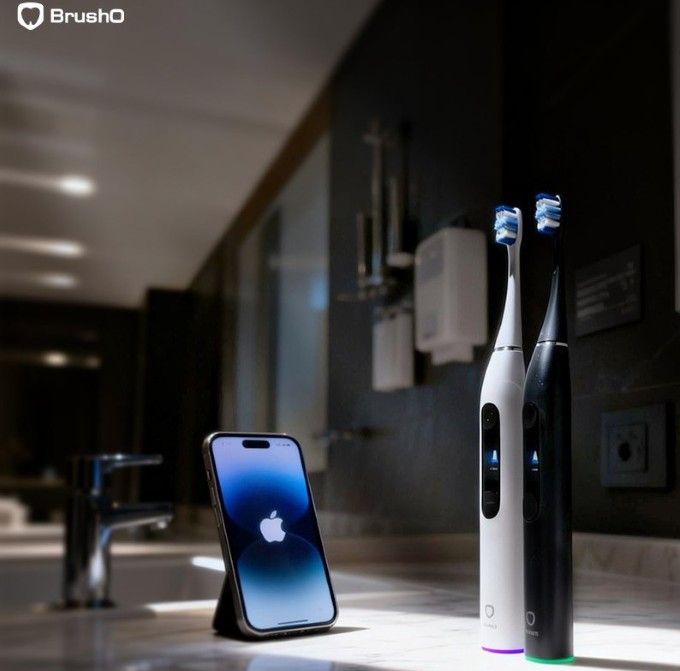
Breathing might seem unrelated to dental care, but your airway choice has ripple effects on oral hygiene.
When you breathe through your mouth — whether due to nasal congestion, sleep posture, or habit — you expose your oral cavity to air unfiltered and unhumidified. This leads to:
• Dry mouth (xerostomia): Saliva production decreases, removing its natural cleaning and protective function.
• Bad breath: Lack of saliva lets bacteria flourish, especially anaerobic types that cause odor.
• Enamel erosion: Without sufficient moisture, enamel is more prone to wear and acid attacks.
• Gum inflammation: Dry tissues are more susceptible to bleeding, irritation, and plaque buildup.
Mouth breathing isn’t just a dental issue — it’s a whole-system concern that begins with the airway.
Breathing through your nose supports a healthy oral environment by:
• Humidifying air before it enters the throat and mouth
• Producing nitric oxide, a natural vasodilator that improves oxygen efficiency and may inhibit bad bacteria
• Promoting closed-mouth posture, which helps maintain jaw alignment and facial symmetry (especially important in children)
In short, nose breathing is a protective, supportive habit — for both oral and systemic health.
Nighttime mouth breathing is especially harmful. During sleep:
• Saliva production drops, intensifying dry mouth
• Bacteria accumulate without being naturally flushed away
• Bruxism (grinding) and snoring are more common among mouth breathers
Left unchecked, this can worsen periodontal conditions, increase cavity risk, and reduce brushing effectiveness.
If you’re already a mouth breather, awareness is the first step. The next is oral hygiene that adapts to your condition. That’s where BrushO makes a difference:
BrushO ensures that every tooth and gumline is reached — even those often missed due to dry plaque buildup from open-mouth breathing.
Custom modes like Gum Care and Deep Clean accommodate sensitive, dry tissues that result from habitual mouth breathing.
If you mouth breathe during sleep, BrushO’s smart heatmaps help you correct missed spots in your morning routine, reducing accumulated bacteria.
With scoring, reminders, and app support, BrushO helps reinforce better oral hygiene behaviors — compensating for risks caused by poor breathing mechanics.
Children who mouth-breathe may develop:
• Narrower dental arches
• Misaligned teeth
• Higher cavity risk
Early detection and dental consultation are key. Encourage nasal breathing awareness and regular brushing with smart tools to reduce long-term risk.
Mouth breathing may seem harmless — but over time, it silently erodes oral health. From cavities to gum disease, the consequences are real. Prioritizing nasal breathing and combining it with precision brushing from BrushO can help restore balance and protect your smile.

The uncontrolled hypertension is the condition that the dental practice meets in the patient who presents with the elevated pressure that the guideline does not permit for the elective treatment, and the management of this patient requires the deferral of the dental procedure and the referral to ...

The closure of the extraction space in the orthodontic treatment is the phase that demands the careful selection of the mechanics and the monitoring of the force that the appliance delivers. The sliding mechanics that rely on the continuous archwire and the power chain that connects the brackets ...

The transverse discrepancy of the maxilla is the problem that the crowding and the posterior crossbite often hide, and the maxillary expansion is the treatment that addresses the width of the arch rather than the position of the individual tooth. The clinician who diagnoses the constriction early...

The local anaesthesia is the daily procedure that the modern dentistry treats as the routine, and the complications that follow it range from the transient and the trivial to the permanent and the serious. The clinician who injects by the habit without the anatomy in the mind is the clinician who...

The hypertension is the condition that the dental practice meets in the every day, and the patient who carries the elevated pressure without the symptoms is the patient who presents the risk that the chair-side measurement reveals. The dental team occupies the position that no other profession ho...

The glass-ceramic crown has become the default restoration for the anterior and the many posterior teeth, and the material selection within the family is the decision that determines the strength, the aesthetics, and the longevity of the result. The lithium disilicate, the leucite, and the zircon...

The dental phobia is the extreme form of the dental fear that prevents the patient from attending the treatment that the oral health requires, and the management of the phobia demands the skill that extends beyond the routine behaviour guidance. The systematic desensitization, the exposure therap...

The dental fear of the child is the condition that shapes the attitude for the lifetime, and the clinician who manages the first visits with the skill builds the patient who attends the recall without the dread. The fear that the child develops follows the many sources, and the practice that reco...

The patient with controlled hypertension is the patient who requires the dental care that the oral health demands and the treatment that the blood pressure permits, and the clinician who manages the controlled case safely follows the guideline that the evidence supports. The controlled hypertensi...

The ceramic veneer is the restoration that the aesthetic dentistry depends on, and the bond that retains the veneer on the enamel is the critical link that determines whether the restoration survives the function or fractures and debonds. The clinical technique from the preparation to the cementa...


Address: RM 1427, 14/F RADIO CITY 505, HENNESSY RD CAUSEWAY BAY, HONG KONG
Code: 000000
Phone: +852-53758652
Email: customerservice@brusho.com
