
Chronic gum inflammation is far more than a localized oral issue — it is a persistent immune challenge that places stress on the entire body. When gum tissue remains inflamed, the immune system must continuously respond to bacterial invasion, triggering systemic inflammation and weakening immune resilience over time. This article explores the biological mechanisms behind periodontal inflammation, its immune costs, and how precision oral care supported by AI-guided brushing can reduce inflammatory burden and protect long-term health.
Gum inflammation — medically referred to as gingivitis or periodontitis — occurs when plaque bacteria accumulate along the gumline and trigger an immune response. While early inflammation may seem minor, chronic exposure leads to sustained immune activation.
Unlike temporary inflammation, chronic gum inflammation:
• Persists for months or years
• Continuously stimulates immune defense
• Damages surrounding tissues
• Creates systemic inflammatory signaling
The immune system is not designed for constant activation. Long-term stimulation comes at a biological cost.
Inflamed gums release inflammatory mediators that signal immune cells to remain active. This ongoing response diverts immune resources away from other protective functions.
Oral bacteria and inflammatory molecules can enter circulation, elevating whole-body inflammation markers. This contributes to immune fatigue and reduced resilience.
The immune system must constantly repair damaged gum tissue, consuming metabolic and cellular resources that would otherwise support healing elsewhere.
Research increasingly links periodontal inflammation with broader health outcomes, including:
• Cardiovascular complications
• Metabolic imbalance
• Elevated inflammatory load
• Reduced infection resistance
• Slower recovery from illness
While gum disease is not always the root cause, it is a measurable contributor to immune stress.
The gumline is where plaque biofilm accumulates most aggressively. Unfortunately, it is also the area most frequently missed during brushing.
Incomplete cleaning leads to:
• Persistent bacterial colonies
• Micro-injury to gum tissue
• Recurrent inflammation cycles
This is why technique — not just frequency — determines immune impact.
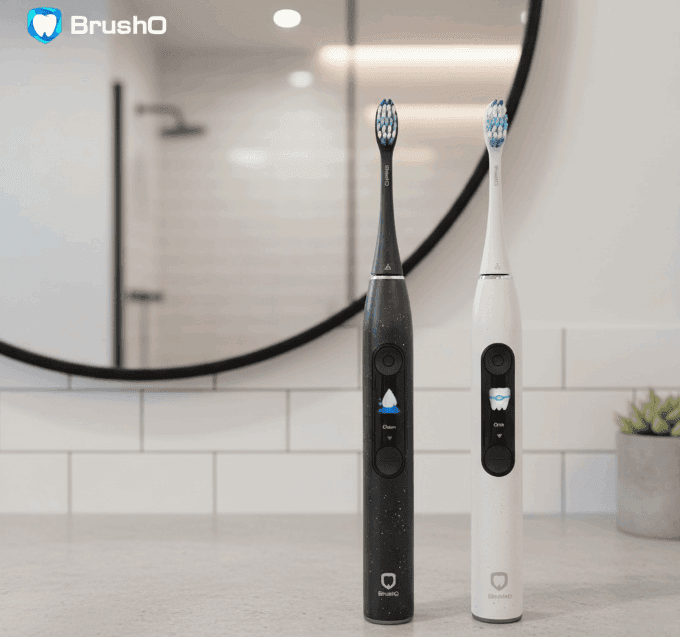
AI-guided oral care technology helps eliminate inflammation triggers at their source.
BrushO Provides
Prevents aggressive brushing that worsens inflammation
Ensures full gumline cleaning
Identifies missed areas contributing to inflammation
Gentle settings for sensitive or inflamed gums
By improving plaque removal consistency, BrushO reduces microbial triggers that stimulate immune stress.
Evidence-based strategies include:
• Thorough twice-daily brushing
• Daily interdental cleaning
• Balanced nutrition
• Hydration for saliva support
• Professional dental evaluations
• Smart feedback-guided brushing
Small daily improvements dramatically lower the inflammatory burden.
Chronic gum inflammation is not merely a dental inconvenience — it is an ongoing immune cost that affects whole-body health. Persistent oral inflammation keeps immune defenses engaged, reduces resilience, and contributes to systemic stress. Through precise plaque control and real-time guidance, smart oral care tools like BrushO help eliminate inflammation triggers before they become chronic. Protecting your gums ultimately protects your immune strength, longevity, and overall wellness.

The uncontrolled hypertension is the condition that the dental practice meets in the patient who presents with the elevated pressure that the guideline does not permit for the elective treatment, and the management of this patient requires the deferral of the dental procedure and the referral to ...

The closure of the extraction space in the orthodontic treatment is the phase that demands the careful selection of the mechanics and the monitoring of the force that the appliance delivers. The sliding mechanics that rely on the continuous archwire and the power chain that connects the brackets ...

The transverse discrepancy of the maxilla is the problem that the crowding and the posterior crossbite often hide, and the maxillary expansion is the treatment that addresses the width of the arch rather than the position of the individual tooth. The clinician who diagnoses the constriction early...

The local anaesthesia is the daily procedure that the modern dentistry treats as the routine, and the complications that follow it range from the transient and the trivial to the permanent and the serious. The clinician who injects by the habit without the anatomy in the mind is the clinician who...

The hypertension is the condition that the dental practice meets in the every day, and the patient who carries the elevated pressure without the symptoms is the patient who presents the risk that the chair-side measurement reveals. The dental team occupies the position that no other profession ho...

The glass-ceramic crown has become the default restoration for the anterior and the many posterior teeth, and the material selection within the family is the decision that determines the strength, the aesthetics, and the longevity of the result. The lithium disilicate, the leucite, and the zircon...

The dental phobia is the extreme form of the dental fear that prevents the patient from attending the treatment that the oral health requires, and the management of the phobia demands the skill that extends beyond the routine behaviour guidance. The systematic desensitization, the exposure therap...

The dental fear of the child is the condition that shapes the attitude for the lifetime, and the clinician who manages the first visits with the skill builds the patient who attends the recall without the dread. The fear that the child develops follows the many sources, and the practice that reco...

The patient with controlled hypertension is the patient who requires the dental care that the oral health demands and the treatment that the blood pressure permits, and the clinician who manages the controlled case safely follows the guideline that the evidence supports. The controlled hypertensi...

The ceramic veneer is the restoration that the aesthetic dentistry depends on, and the bond that retains the veneer on the enamel is the critical link that determines whether the restoration survives the function or fractures and debonds. The clinical technique from the preparation to the cementa...


Address: RM 1427, 14/F RADIO CITY 505, HENNESSY RD CAUSEWAY BAY, HONG KONG
Code: 000000
Phone: +852-53758652
Email: customerservice@brusho.com
