
If you struggle with stubborn acne, jawline breakouts, or inflamed skin, the cause may not be your skincare routine — it may be your mouth. Modern research shows a powerful connection between oral bacteria, systemic inflammation, and skin health. Gum disease, plaque buildup, and oral infections release inflammatory molecules and bacteria into the bloodstream, which can trigger hormonal imbalances, immune reactions, and clogged pores. In this article, you’ll learn how oral health quietly influences skin breakouts, why brushing technique matters more than you think, and how AI-powered brushing with BrushO helps reduce inflammatory triggers that damage both your teeth and your skin.
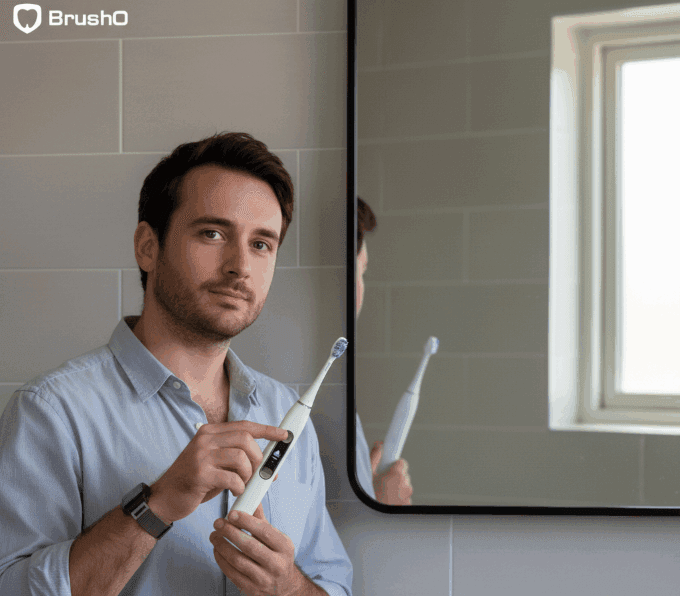
Your mouth is one of the largest bacterial ecosystems in your body. When oral bacteria are controlled, your immune system stays balanced. When they are not, inflammation spreads far beyond the mouth.
Oral bacteria can:
• Enter the bloodstream through inflamed gums
• Trigger immune responses
• Increase systemic inflammation
• Disrupt hormones linked to acne
• Promote skin oil overproduction
This is why dermatologists increasingly view oral health as part of acne management.
Gum disease (gingivitis and periodontitis) creates chronic inflammation. Inflammatory molecules such as cytokines and endotoxins travel through the blood and reach the skin.
This can cause:
• Red, painful breakouts
• Jawline and chin acne
• Hormonal acne flares
• Slow-healing blemishes
• Increased oil production
This is especially common in people who:
• Bleeds when brushing
• Have chronic bad breath
• Have gum sensitivity
• Have plaque buildup near the gumline
Certain oral bacteria produce toxins that:
• Stress the immune system
• Increase insulin resistance
• Raise cortisol levels
• Promote inflammation in hair follicles
This creates the perfect environment for acne-causing bacteria (like Cutibacterium acnes) to thrive.
That’s why people with:
• Gum disease
• Tooth infections
• Chronic plaque
often experience persistent breakouts even with expensive skincare.
Most people miss critical areas when brushing — especially the gumline and back teeth. These zones harbor the most bacteria.
When plaque stays:
• Toxins leak into the bloodstream
• Inflammation rises
• Skin flare-ups increase
Simply brushing twice a day is not enough — coverage and pressure matter.
BrushO is designed to eliminate the hidden bacterial zones that drive both oral disease and skin inflammation.
BrushO protects skin health by:
• 6-Zone × 16-Surface tracking so no bacteria are left behind
• Pressure sensors to prevent gum injury that allows bacteria into the bloodstream
• Real-time guidance to clean the gumline thoroughly
• Daily reports that reveal chronic missed areas
• Habit reinforcement so bacteria never get the upper hand
By lowering oral inflammation, BrushO helps calm the immune triggers that cause acne.
You may have an oral-skin imbalance if you experience:
• Acne along the jaw or cheeks
• Bad breath despite brushing
• Bleeding gums
• Puffy or sensitive gums
• Frequent canker sores
These are signs of chronic oral inflammation affecting your whole body.
1. Use BrushO nightly to remove gumline bacteria
2. Floss to eliminate trapped toxins
3. Use alcohol-free fluoride rinse
4. Stay hydrated to support saliva
5. Avoid late-night sugar
Your skin often improves within weeks once oral inflammation drops.
Clear skin does not start in a bottle — it starts in your mouth. Oral bacteria and gum inflammation quietly drive systemic inflammation that shows up as acne, redness, and breakouts. When you control your oral microbiome, your skin can finally heal. With BrushO’s AI-powered brushing, you protect both your smile and your complexion — every night.
Feb 4
Feb 4

The uncontrolled hypertension is the condition that the dental practice meets in the patient who presents with the elevated pressure that the guideline does not permit for the elective treatment, and the management of this patient requires the deferral of the dental procedure and the referral to ...

The closure of the extraction space in the orthodontic treatment is the phase that demands the careful selection of the mechanics and the monitoring of the force that the appliance delivers. The sliding mechanics that rely on the continuous archwire and the power chain that connects the brackets ...

The transverse discrepancy of the maxilla is the problem that the crowding and the posterior crossbite often hide, and the maxillary expansion is the treatment that addresses the width of the arch rather than the position of the individual tooth. The clinician who diagnoses the constriction early...

The local anaesthesia is the daily procedure that the modern dentistry treats as the routine, and the complications that follow it range from the transient and the trivial to the permanent and the serious. The clinician who injects by the habit without the anatomy in the mind is the clinician who...

The hypertension is the condition that the dental practice meets in the every day, and the patient who carries the elevated pressure without the symptoms is the patient who presents the risk that the chair-side measurement reveals. The dental team occupies the position that no other profession ho...

The glass-ceramic crown has become the default restoration for the anterior and the many posterior teeth, and the material selection within the family is the decision that determines the strength, the aesthetics, and the longevity of the result. The lithium disilicate, the leucite, and the zircon...

The dental phobia is the extreme form of the dental fear that prevents the patient from attending the treatment that the oral health requires, and the management of the phobia demands the skill that extends beyond the routine behaviour guidance. The systematic desensitization, the exposure therap...

The dental fear of the child is the condition that shapes the attitude for the lifetime, and the clinician who manages the first visits with the skill builds the patient who attends the recall without the dread. The fear that the child develops follows the many sources, and the practice that reco...

The patient with controlled hypertension is the patient who requires the dental care that the oral health demands and the treatment that the blood pressure permits, and the clinician who manages the controlled case safely follows the guideline that the evidence supports. The controlled hypertensi...

The ceramic veneer is the restoration that the aesthetic dentistry depends on, and the bond that retains the veneer on the enamel is the critical link that determines whether the restoration survives the function or fractures and debonds. The clinical technique from the preparation to the cementa...


Address: RM 1427, 14/F RADIO CITY 505, HENNESSY RD CAUSEWAY BAY, HONG KONG
Code: 000000
Phone: +852-53758652
Email: customerservice@brusho.com
