
Everyone experiences bad breath from time to time — especially in the morning. But for many, halitosis (chronic bad breath) is a daily struggle. It’s not just about garlic or coffee; the root causes often lie deeper in your oral care routine. Understanding what causes bad breath is the first step toward a fresher, healthier mouth — and BrushO is here to help you tackle it with technology.
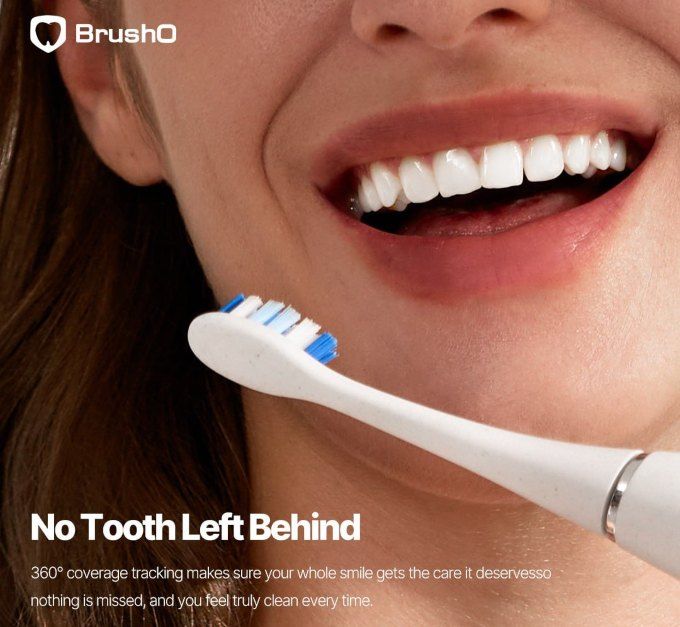
When food particles and plaque aren’t properly removed, they break down and release foul-smelling sulfur compounds. Missed brushing zones = lingering bacteria.
Common Signs:
• White or yellow coating on the tongue
• Persistent odor despite brushing
• Bleeding gums or sensitivity
Over 50% of mouth bacteria live on the tongue’s surface, especially toward the back. If not cleaned regularly, they produce volatile sulfur compounds (VSCs) that smell like rotten eggs.
🪥 Tip: Use BrushO’s built-in tongue-cleaning guidance to target these bacteria zones effectively.
Inflamed gums harbor bacteria deep in pockets between teeth and gums. As gum disease progresses, bad breath becomes more persistent.
Saliva helps wash away food and neutralize acids. If your mouth is dry, bacteria thrive. This can happen due to:
• Medications
• Mouth breathing
• Dehydration
Certain foods (garlic, onions, spicy foods), smoking, and high-sugar diets feed bacteria or dry out the mouth, contributing to odor.
BrushO is more than a toothbrush — it’s a smart oral care assistant. Here’s how it keeps bad breath in check:
With 6 zones and 16 surfaces, BrushO ensures no area is skipped — even those that are typically neglected, like the back molars or inner lower jaw.
Most people forget the tongue — BrushO reminds you with gentle vibrations and custom tongue-cleaning modes.
Overbrushing can cause gum recession, leading to pockets where odor-causing bacteria hide. BrushO keeps your pressure in check.
By tracking your brushing habits and giving daily brushing scores, BrushO helps you build habits that reduce bacterial buildup long-term.
• Brush twice a day with fluoride toothpaste
• Clean your tongue every time you brush
• Replace your toothbrush head every 3 months
• Drink plenty of water throughout the day
• Avoid smoking and sugary snacks
• Visit your dentist regularly for checkups
Mints and gum may mask bad breath, but only effective brushing and proper oral care can solve it. With BrushO, you get real-time feedback, complete coverage, and tongue-cleaning support — all designed to fight the root causes of bad breath. It’s time to ditch the mints and trust science-backed brushing to keep your breath fresh and your mouth healthy.

An in-depth exploration of periodontal disease pathogenesis, the 2017 World Workshop classification system, and the principles of non-surgical periodontal therapy including scaling, root planing, and adjunctive antimicrobials.

An evidence-based comparison of clear aligner therapy versus conventional fixed orthodontic appliances, covering treatment efficacy, duration, patient compliance, comfort, and aesthetic outcomes based on systematic reviews and clinical trials.

A practical guide to third molar assessment and management, including indications for extraction versus retention, surgical techniques for impacted teeth, and prevention and management of common postoperative complications.

A comprehensive review of contemporary root canal treatment protocols, including rotary instrumentation, advanced irrigation systems, and obturation techniques. Examines evidence-based success rates and prognostic factors affecting endodontic outcomes.

A review of modern resin composite technologies including nanofilled, bulk-fill, and bioactive composites. Covers polymerization shrinkage management, bonding protocols, and clinical longevity data for anterior and posterior restorations.

A comprehensive guide to pediatric dental behavior management techniques, including tell-show-do, positive reinforcement, protective stabilization, and pharmacological approaches, along with early interceptive orthodontic intervention strategies.

A comprehensive guide to caries management by risk assessment (CAMBRA), covering risk factor identification, caries detection methods, non-surgical management with fluoride and sealants, and minimally invasive restorative techniques.

A practical overview of contemporary digital dentistry workflows, including intraoral scanning technology, CAD/CAM systems for chairside and laboratory restorations, 3D printing applications, and digital implant planning.

An evidence-based review of traumatic dental injuries based on the Andreasen classification, covering crown fractures, luxation injuries, avulsion, and alveolar fractures, with step-by-step emergency management protocols.

An in-depth review of the dentist's role in managing obstructive sleep apnea, covering mandibular advancement devices, tongue-retaining devices, patient selection criteria, polysomnography interpretation, and collaborative care with sleep physicians.


Address: RM 1427, 14/F RADIO CITY 505, HENNESSY RD CAUSEWAY BAY, HONG KONG
Code: 000000
Phone: +852-53758652
Email: customerservice@brusho.com
