
Many people describe tooth discomfort as a “sour” feeling — a sharp, unpleasant sensation that appears when drinking cold water, eating sweets, or even brushing. While “sour teeth” isn’t a clinical term, it often signals tooth sensitivity, enamel damage, or gum-related issues. This sensation is not something to ignore. In most cases, sour-feeling teeth indicate that your natural tooth protection has been compromised. Understanding why your teeth feel sour, what triggers this sensitivity, and how daily brushing habits affect it is essential for preventing long-term oral damage.
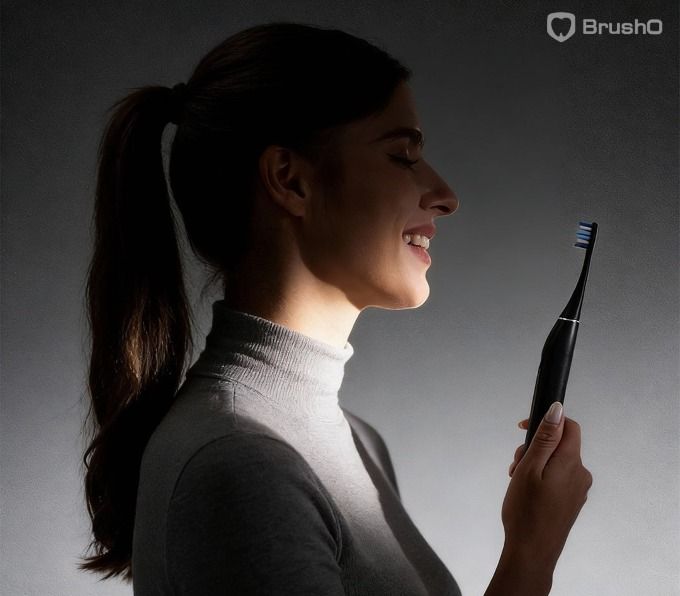
When teeth feel sour, they are usually reacting to external stimuli such as temperature, acidity, or pressure. This happens when the inner layers of the tooth — especially dentin — become exposed or overstimulated. Healthy enamel acts as a shield. Once that shield weakens, teeth become vulnerable, leading to discomfort often described as sour, sharp, or tingling.
Enamel erosion is the leading cause of sour teeth. Acidic foods and drinks gradually dissolve enamel, leaving teeth unprotected.
Common contributors include:
• Citrus fruits and lemon water
• Soda, sparkling water, and energy drinks
• Frequent snacking on acidic foods
• Acid reflux or GERD
Once enamel is worn down, it does not regenerate, making prevention critical.
When gums recede, the tooth root becomes exposed. Unlike enamel, root surfaces are extremely sensitive.
Gum recession may result from:
• Brushing too hard
• Incorrect brushing angle
• Gum disease or inflammation
• Long-term plaque buildup
Exposed roots are a major reason teeth feel sour during brushing or eating.
Many people believe brushing harder means cleaner teeth. In reality, aggressive brushing damages enamel and irritates gums, accelerating sensitivity.
Warning signs include:
• Sensitivity near the gumline
• Teeth feeling sore after brushing
• Gradual gum recession
This is where pressure-aware brushing becomes essential.
Grinding or clenching your teeth wears down enamel and creates microcracks, allowing external stimuli to reach sensitive layers.
Common signs:
• Morning jaw tightness
• Headaches
• Flattened or chipped teeth
Over time, grinding can significantly worsen tooth sensitivity.
Small cavities or cracks may not cause visible pain at first, but they can trigger sour sensations when exposed to sugar, cold, or pressure.
Early detection is key to preventing deeper decay.
Certain habits intensify tooth sensitivity:
• Drinking acidic beverages slowly throughout the day
• Brushing immediately after eating acidic foods
• Using hard-bristle toothbrushes
• Skipping nighttime brushing
• Dry mouth caused by dehydration or mouth breathing
These behaviors weaken enamel and reduce saliva’s protective role.
Modern oral care tools like BrushO address the root causes of sensitivity by correcting daily habits rather than reacting to damage later.
• Monitoring brushing pressure to prevent enamel wear
• Tracking missed zones that contribute to plaque buildup
• Offering gentle brushing modes for sensitive teeth and gums
• Providing post-brushing reports to improve technique over time
By reducing overbrushing and improving coverage, smart brushing significantly lowers the risk of sour teeth.
To reduce sour sensations and protect enamel:
• Use a soft-bristle toothbrush
• Brush gently at a 45-degree angle
• Wait 30 minutes after acidic foods before brushing
• Stay hydrated to support saliva production
• Use toothpaste designed for sensitive teeth
• Avoid excessive acidic snacking
Consistency matters more than force.
If your teeth feel sour:
• Frequently
• Without obvious triggers
• Or worsen over time
…it may indicate underlying issues such as gum disease, enamel loss, or cavities that require professional care.
Sour-feeling teeth are not normal — they are signals. Whether caused by enamel erosion, gum recession, or improper brushing habits, tooth sensitivity is your body’s way of asking for better care. With the right knowledge, gentle technique, and smart tools like BrushO, you can protect your teeth, reduce discomfort, and maintain long-term oral health.

If you are thirsty after brushing, choose plain water. Plan your usual bedtime drink before brushing and skip the immediate rinse at the sink.

Waterpik recommends warm water for its flossers. Check your own model and use comfortably lukewarm water if cold water feels sharp.

Let an intact handle return to room temperature before you consider charging it. Check your manual and watch for signs of battery or housing damage.

Lift away the paste, check the care label, and use cool water on washable fabric. Here is a quick approach for a fresh spot.

Turn the brush off, then check the fit, the connection, and the condition of the head. A second compatible head can help you narrow it down.

Look for a clean, rigid container with a secure lid and keep it with your belongings. A napkin on a lunch tray is easy to clear away.

Check the care directions for your clear retainer. Clinics give different instructions, and the right cleaning method depends on the appliance you received.

Try a gentle rinse first. If the hull sits between teeth and floss moves freely, make a careful pass and stop if it still feels stuck.

A tight gap or rough edge can catch floss. Notice where it snags, keep the movement gentle, and find out when to ask your dentist to check.

Your first sip can taste sharp after brushing. Here is what may be changing and how to make breakfast taste like breakfast again.

সবাই যেন নিজের মতো করে গড়তে পারে – এমনভাবে দ্রুত ও কম খরচে ওরাল হেলথ ডেটা নেটওয়ার্ক তৈরি করুন।
সবাই যেন নিজের মতো করে গড়তে পারে – এমনভাবে দ্রুত ও কম খরচে ওরাল হেলথ ডেটা নেটওয়ার্ক তৈরি করুন।


Address: RM 1427, 14/F RADIO CITY 505, HENNESSY RD CAUSEWAY BAY, HONG KONG
Code: 000000
Phone: +852-53758652
Email: customerservice@brusho.com