
A persistent bitter taste in your mouth can be more than just unpleasant—it may be your body signaling an underlying issue. From poor oral hygiene to digestive problems and medication side effects, the causes are varied and often overlooked. This article explores the most common reasons for a bitter taste, how it connects to your oral hygiene routine, and how tools like BrushO can help you get to the root of the problem and restore a healthy, clean mouthfeel.
A bitter or metallic taste in the mouth (also known as dysgeusia) can stem from various factors, some temporary and others more serious.
• Bacteria buildup on the tongue, gums, and between teeth can produce sulfur compounds that taste unpleasant.
• Infrequent or improper brushing leaves behind decaying food particles, which may result in a foul or bitter aftertaste.
• Lack of saliva leads to reduced natural cleaning.
• Often caused by dehydration, medications, or breathing through the mouth during sleep.
• Stomach acid flowing back into the throat can leave a bitter or sour taste, especially in the morning or after meals.
• Certain antibiotics, antidepressants, and vitamins (especially those containing iron or zinc) can alter taste perception.
• Some cause dry mouth as a side effect, further aggravating bitterness.
• Pregnancy, menopause, or menstruation can shift taste sensitivity and saliva composition, sometimes leading to a metallic or bitter taste.
• Sinus infections, colds, or oral infections like gingivitis can affect taste.
• COVID-19 is also known to disrupt taste perception in some cases.
• Tobacco use and alcohol both damage taste buds and dry out the mouth, often resulting in bitterness or unpleasant aftertastes.
If the cause is oral hygiene-related, adjusting your routine can make a significant difference.
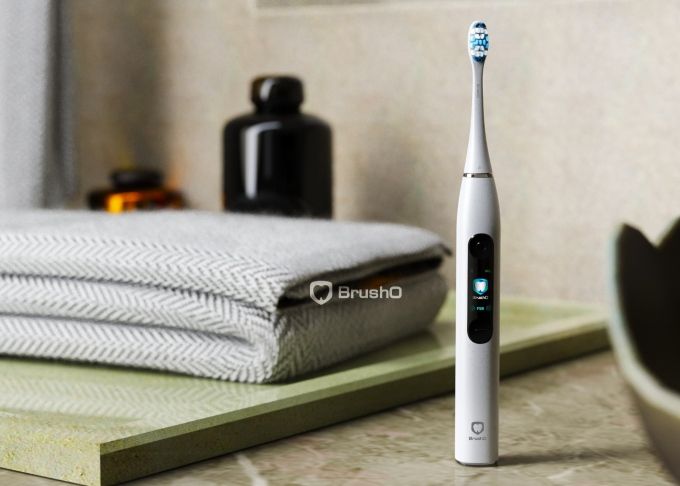
BrushO offers several features that help you clean more effectively:
• Tongue Cleaning Guidance: Often overlooked, the tongue harbors odor-causing bacteria.
• Real-Time Coverage Analysis: Ensures you don’t miss tricky zones like the molars or back gums.
• Customized Modes: Choose sensitive or deep clean based on your mouth’s condition.
• Habit Tracking: Maintain a consistent brushing routine, morning and night.
• Rewards for Consistency: Get $BRUSH tokens for brushing correctly, making oral health more motivating.
• Stay Hydrated: Water flushes out bacteria and balances saliva production.
• Avoid Trigger Foods: Limit acidic, spicy, or overly processed foods if you have GERD or reflux.
• Use a Tongue Scraper: This can remove built-up bacteria and improve taste clarity.
• Rinse After Medications: Swish with water after taking pills known to cause aftertastes.
• Consult a Doctor: If the bitter taste persists for more than a few days, a deeper issue may be involved.
If the bitterness is accompanied by any of the following, seek medical or dental evaluation:
• Bleeding or swollen gums
• Chronic dry mouth
• Burning sensations
• Fever, pain, or swollen lymph nodes
• Loss of taste or smell
Persistent symptoms may indicate gum disease, infection, or systemic conditions that require treatment.
A bitter taste in the mouth might seem like a minor annoyance, but it can signal larger issues—from poor oral hygiene to systemic imbalances. With the right tools and awareness, you can often correct the issue early. Smart brushing with BrushO ensures full-mouth cleaning, tongue hygiene, and consistent habits that help restore a healthy, balanced mouth environment.
Jan 19
Jan 19

Squamous cell carcinoma is not a single, uniform disease, and two of its oral variants illustrate the extremes of its behavior. Verrucous carcinoma is a slow-growing, exophytic tumor that almost never metastasizes, while spindle cell carcinoma is an aggressive, sarcomatoid malignancy that can be ...

Most people expect a toothache to be the first sign of pulp disease, but some forms of pulpitis are surprisingly silent. A pulp polyp is the visible result of chronic hyperplastic pulpitis, a condition in which the dental pulp grows out of a large carious opening as a fleshy mass. Recognizing thi...

Dry mouth is not merely uncomfortable; it is a medical condition with real consequences for teeth, speech, swallowing and quality of life. When the salivary glands cannot produce enough saliva, medications called sialogogues can restore some of the missing fluid. Pilocarpine and cevimeline are th...

A blister in the mouth can be the first warning of a systemic autoimmune disease, and two disorders deserve particular attention in the dental chair: pemphigus vulgaris and mucous membrane pemphigoid. Both produce chronic oral ulceration, yet their immunologic targets, clinical behavior and long-...

When infection drains from a tooth, the body often creates a visible escape route, and the dentist must interpret these fistulous openings correctly. A parulis is the common gum boil that signals chronic periapical infection, while an oroantral fistula is a communication between the mouth and the...

Among the fibro-osseous lesions of the jaws, the ossifying fibroma holds a unique position because it is a true neoplasm, unlike the reactive cemento-osseous dysplasia discussed in an earlier article. It grows continuously, expands bone and requires surgical removal, and its cemental variant adds...

Not all keratocystic lesions of the jaw behave alike, and one of the most important distinctions in oral pathology separates the orthokeratinized odontogenic cyst from its better-known relative, the odontogenic keratocyst. Although the two lesions look similar under the microscope at first glance...

Periodontal disease is usually a slowly progressive infection, but a rare form called necrotizing ulcerative periodontitis destroys tissue with alarming speed. Unlike ordinary periodontitis, this condition produces necrotic, cratered papillae, deep pocketing and rapid bone loss, and it appears al...

Every parent has met the child who refuses to eat because of painful mouth sores, and most of these children have one of two viral illnesses: herpangina or hand, foot and mouth disease. Both are caused by enteroviruses, both produce fever and oral ulcers, and both are overwhelmingly common in you...

Cementoosseous dysplasia is one of the most common fibro-osseous lesions found on dental radiographs, yet it is also one of the most frequently misdiagnosed. The lesion replaces normal bone with cellular fibrous tissue and cementum-like material, and it appears in several forms that range from a ...

সবাই যেন নিজের মতো করে গড়তে পারে – এমনভাবে দ্রুত ও কম খরচে ওরাল হেলথ ডেটা নেটওয়ার্ক তৈরি করুন।
সবাই যেন নিজের মতো করে গড়তে পারে – এমনভাবে দ্রুত ও কম খরচে ওরাল হেলথ ডেটা নেটওয়ার্ক তৈরি করুন।


Address: RM 1427, 14/F RADIO CITY 505, HENNESSY RD CAUSEWAY BAY, HONG KONG
Code: 000000
Phone: +852-53758652
Email: customerservice@brusho.com