
Vitamin supplements are widely consumed to support immunity, energy levels, and overall wellness. However, many chewable, gummy, and effervescent formulas contain acids that can unintentionally harm dental enamel. Prolonged exposure to low pH compounds softens tooth surfaces, disrupts remineralization, and accelerates erosion — often without noticeable symptoms in early stages. Understanding how acidic supplements interact with oral biology allows individuals to balance nutritional goals with dental protection. Strategic brushing routines, hydration, and advanced smart-brushing technologies can significantly reduce long-term damage risk.
Many vitamin products are engineered for rapid absorption or palatability, which often involves acidic formulations such as:
• Ascorbic acid (Vitamin C)
• Citric acid stabilizers
• Flavoring acids
• Effervescent carbonation agents
These compounds lower oral pH levels, temporarily softening enamel and increasing susceptibility to mechanical wear and bacterial attack.
Unlike dietary acids consumed during meals, supplements are often taken:
• Between meals
• Before bed
• Without rinsing afterward
This increases enamel exposure time.
When pH drops below critical thresholds (~5.5), enamel minerals begin dissolving, weakening structural integrity.
Brushing immediately after acidic exposure can remove softened enamel layers, accelerating long-term thinning.
Acidic environments encourage plaque bacteria that thrive in low pH conditions, elevating cavity risk.
As enamel erodes, dentin exposure leads to temperature sensitivity and discomfort.
Remain in direct contact with teeth, prolonging acid exposure.
Sticky texture traps acids and sugars along gumlines and molars.
Carbonation and acidity lower oral pH rapidly.
Extended sipping increases exposure duration.
Capsules and swallowed tablets generally pose minimal dental risk.
• Increased tooth sensitivity
• Surface dullness or translucency
• Edge thinning
• Yellowing from dentin visibility
• Higher plaque retention
Early recognition allows preventive adjustments before irreversible erosion develops.
• Consume supplements with meals
• Avoid bedtime use
• Reduce frequency of exposure
• Rinse with water afterward
• Chew sugar-free gum
• Maintain hydration
Wait 30–60 minutes before brushing to allow enamel remineralization.
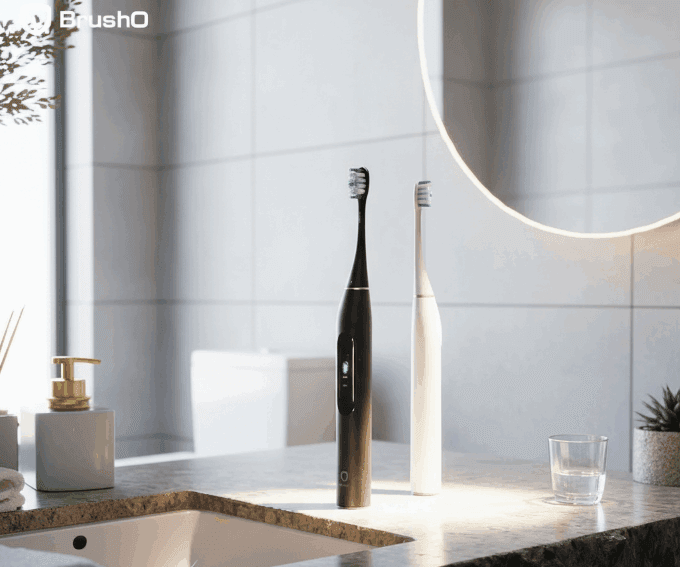
Smart brushing tools such as BrushO enhance enamel protection through:
• Pressure monitoring prevents abrasion
• Zone mapping eliminating plaque accumulation
• Personalized brushing modes for sensitivity
• Habit analytics identifying risk behaviors
These capabilities support enamel stability while maintaining hygiene effectiveness.
Modern wellness habits increasingly include supplements, yet oral impact awareness remains limited.
Balancing nutritional benefits with dental protection requires:
• Education on acidity exposure
• Preventive brushing behavior
• Intelligent oral-care technology integration
This approach ensures overall wellness does not come at the cost of enamel integrity.
Acidic vitamin supplements can unintentionally contribute to enamel erosion, sensitivity, and cavity risk when consumed improperly. The damage arises not from nutrients themselves, but from formulation acidity and exposure patterns. By adjusting timing, rinsing appropriately, delaying brushing, and utilizing guided smart-brushing systems such as BrushO, individuals can maintain both nutritional and dental health. Supporting your body should never compromise your smile — informed oral care ensures both thrive together.
Feb 6
Feb 6

Tooth autotransplantation, the surgical repositioning of a tooth from one site to another within the same individual, represents one of the most biologically elegant solutions in restorative dentistry. Unlike dental implants, which rely on osseointegration of a titanium fixture, an autotransplanted

Orthognathic surgery, the surgical correction of dentofacial skeletal discrepancies, represents the definitive convergence of orthodontics and oral and maxillofacial surgery. These procedures are indicated not merely for aesthetic enhancement but for the restoration of functional occlusion, airway p

Maxillofacial prosthetics occupies a unique intersection of art, science, and clinical medicine, dedicated to restoring form and function for patients with acquired or congenital defects of the head and neck region. These patients present some of the most challenging rehabilitation scenarios in all

Dental plaque is not a random accumulation of bacteria but a structurally and functionally organized microbial community — a biofilm — that adheres to tooth surfaces and oral epithelia. The biofilm mode of existence confers profound advantages to resident microorganisms, including enhanced resistanc

Apical microsurgery has undergone a paradigm shift over the past three decades, evolving from a blind, technique-sensitive procedure with unpredictable outcomes into a precision-driven microsurgical intervention supported by advanced imaging, illumination, and biomaterials. When conventional orthogr

Sports-related orofacial injuries represent a significant public health concern, with dental trauma being among the most common injuries in contact and collision sports. This article examines the evidence supporting custom-fabricated mouthguards as the gold standard for orofacial protection, reviews fabrication techniques, and discusses the broader role of the dental professional in sports medicine.

Oral potentially malignant disorders (OPMDs) represent a heterogeneous group of conditions with an increased risk of malignant transformation to oral squamous cell carcinoma. Early detection through systematic screening and appropriate surveillance can significantly improve patient outcomes. This review covers the clinical features, diagnostic workup, and evidence-based management of the most common OPMDs encountered in dental practice.

Halitosis, commonly known as bad breath, affects a significant proportion of the global population and can have profound psychological and social consequences. This comprehensive review explores the multifactorial etiology of oral malodor, with emphasis on the role of volatile sulfur compounds produced by gram-negative anaerobic bacteria, and provides evidence-based diagnostic and management protocols for dental practitioners.

The aging global population presents unique challenges and opportunities in prosthodontic rehabilitation. This article examines the evidence supporting implant-retained overdentures as a transformative treatment option for edentulous elderly patients, compares various attachment systems and implant configurations, and discusses clinical considerations specific to the geriatric population including bone quality, medical comorbidities, and maintenance protocols.

Dental practitioners routinely prescribe and administer a wide range of medications, making pharmacological competence essential for safe and effective patient care. This article provides a comprehensive overview of analgesics, antibiotics, and clinically significant drug interactions relevant to everyday dental practice, with emphasis on evidence-based prescribing and the management of medically complex patients.

Bauen Sie schnell und kostengünstig ein Netzwerk für Zahngesundheitsdaten auf, das jeder nutzen kann.
Bauen Sie schnell und kostengünstig ein Netzwerk für Zahngesundheitsdaten auf, das jeder nutzen kann.


Address: RM 1427, 14/F RADIO CITY 505, HENNESSY RD CAUSEWAY BAY, HONG KONG
Code: 000000
Phone: +852-53758652
Email: customerservice@brusho.com