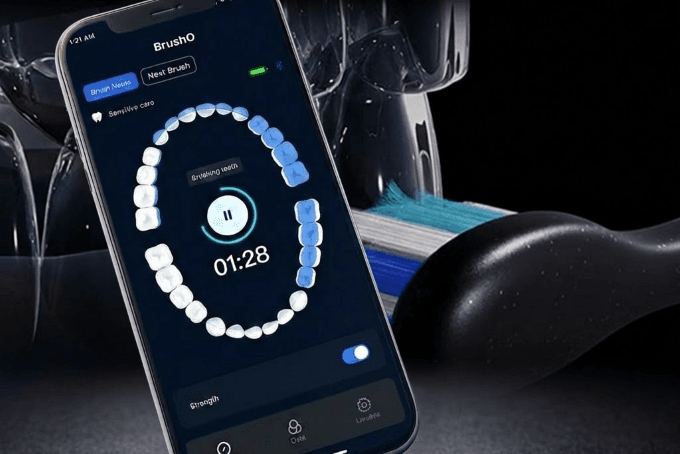
How to Control Brushing Pressure with a Smart Toothbrush
Jan 21

Jan 21
Brushing your teeth too hard can lead to gum recession and enamel damage, which makes controlling brushing pressure essential for long-term oral health. While regular toothbrushes provide no feedback, smart toothbrushes are equipped with advanced pressure sensors to monitor and adjust pressure in real time. These sensors offer guidance that helps users maintain the ideal brushing force for better oral care. In this article, we explore how smart toothbrushes can help control brushing pressure and protect your gums, teeth, and overall oral health. Learn how AI and sensor technology make it easier than ever to brush correctly and avoid harmful habits.


How to Control Brushing Pressure with a Smart Toothbrush

1. The Importance of Brushing Pressure for Oral Health

Brushing pressure plays a significant role in oral health. While brushing too softly can result in ineffective plaque removal, brushing too hard can cause more harm than good. Over time, excessive pressure can lead to gum recession, enamel erosion, and increased tooth sensitivity.
Smart toothbrushes are designed to help users find the right balance. They use advanced pressure sensors to monitor the force applied during brushing, providing real-time feedback to guide users toward a more optimal brushing experience. By alerting the user when pressure is too high, smart toothbrushes can prevent damage and ensure thorough yet gentle cleaning.

2. How Smart Toothbrushes Use Pressure Sensors to Improve Brushing Habits

Pressure sensors in smart toothbrushes detect how hard you’re pressing against your gums and teeth. When the applied pressure exceeds a safe threshold, the toothbrush provides immediate feedback, usually through a combination of visual indicators (like LED lights) or vibrations. This real-time response helps users adjust their brushing technique and reduce excessive force.
These sensors are calibrated to monitor the ideal pressure range for each user, ensuring that brushing is effective but not damaging. The feedback can be continuous or intermittent, depending on the model, but the goal remains the same: promoting healthy, consistent brushing habits.

3. The Benefits of Pressure Control for Gum and Enamel Health

One of the primary benefits of controlling brushing pressure is the protection of your gums and enamel. Excessive brushing force can lead to gum recession, where the gum tissue pulls away from the tooth, exposing the sensitive roots underneath. This can result in increased tooth sensitivity and higher susceptibility to cavities.
Additionally, too much pressure can wear down enamel, the tooth’s protective outer layer. Once enamel is gone, it doesn’t regenerate, leaving the teeth more vulnerable to decay. Smart toothbrushes with pressure control help reduce these risks by promoting gentle brushing and helping maintain the integrity of both gums and enamel.

4. Real-Time Feedback and Personalized Pressure Settings

Advanced smart toothbrushes allow users to set personalized pressure preferences based on their oral health needs. Some models come with multiple pressure modes that can be customized for different users in the household. For example, users with sensitive gums can select a softer brushing mode, while those focused on plaque removal can opt for a stronger setting.
By providing personalized settings, smart toothbrushes can address individual needs, making brushing safer and more effective for everyone, from children to adults with specific oral health concerns.

5. How AI and Technology Optimize Pressure Control Over Time

Many smart toothbrushes are equipped with AI-powered algorithms that track brushing pressure over time. By analyzing your brushing habits, these algorithms can detect patterns and make real-time adjustments to the feedback provided. For example, if a user consistently applies too much pressure in a particular area of the mouth, the toothbrush can provide additional warnings or adjust the brushing mode accordingly.
These intelligent adjustments help users improve their brushing technique over time. AI-backed pressure control optimizes the experience and ensures that users aren’t just brushing more efficiently but also more safely.

6. Habit Formation: Learning the Right Pressure with Smart Toothbrushes

Consistently brushing with the right amount of pressure can be challenging for many people. While smart toothbrushes provide immediate feedback, they also play a key role in long-term habit formation. Over time, users become more aware of the correct pressure and develop muscle memory for proper brushing technique.
By incorporating a smart toothbrush into your routine, you’re not only improving your immediate brushing experience but also building better, healthier oral care habits for the future. The pressure control feature is just one of the many tools that can help you develop a more effective and sustainable brushing habit.

7. The Future of Pressure Control in Oral Care

As smart toothbrushes continue to evolve, the technology behind pressure control will become even more advanced. Future models may offer even more precise pressure feedback, incorporating more sensors for more detailed analysis of brushing technique. Additionally, as AI becomes more sophisticated, smart toothbrushes may offer deeper insights into brushing patterns, further personalizing the brushing experience for optimal gum and enamel protection.
With the continued integration of technology, smart toothbrushes will not only improve the brushing process but also contribute to the overall advancement of oral health technology.
 

Final Thoughts: A Smarter Approach to Brushing Pressure

Brushing pressure is a critical factor in maintaining healthy gums and enamel. By using a smart toothbrush with pressure sensors, users can control their brushing force, ensuring a more effective yet gentle cleaning experience. With real-time feedback, personalized settings, and AI-powered insights, smart toothbrushes help users maintain optimal pressure, leading to healthier teeth and gums in the long run.
By incorporating smart toothbrush technology into your daily routine, you’re taking a proactive step toward better oral health, and ultimately, a brighter, healthier smile.

Recent Posts

How Tooth Loss Changes Bone Structure in Your Face

How Tooth Loss Changes Bone Structure in Your Face

Learn how tooth loss affects facial bone structure, jaw stability, and appearance. Discover prevention strategies and smart oral care tools to protect long-term oral health.

The Link Between Gum Loss and Facial Aging

The Link Between Gum Loss and Facial Aging

Discover how gum recession contributes to facial aging, jaw structure changes, and smile aesthetics. Learn prevention strategies and smart oral care solutions.

How Antibiotics Permanently Change Your Mouth

How Antibiotics Permanently Change Your Mouth

Learn how antibiotics reshape your oral microbiome, affecting bacteria balance, gum health, and breath. Discover how to protect your mouth after antibiotic use.

Good vs Bad Mouth Bacteria

Good vs Bad Mouth Bacteria

Discover the difference between good and bad mouth bacteria and how maintaining oral microbiome balance protects teeth, gums, and overall health through proper hygiene and smart brushing.

The Immune Cost of Chronic Gum Inflammation

The Immune Cost of Chronic Gum Inflammation

Chronic gum inflammation weakens immune defenses and increases systemic disease risk. Learn how periodontal inflammation impacts immunity and how to protect oral health.

Why Frequent Mouth Infections Signal Immune Weakness

Why Frequent Mouth Infections Signal Immune Weakness

Frequent mouth infections may be a warning sign of immune system weakness. Learn how oral infections reveal hidden health risks and how to protect your immunity.

Can Mouth Bacteria Affect Mood and Anxiety?

Can Mouth Bacteria Affect Mood and Anxiety?

Emerging research shows that oral bacteria can influence mood, anxiety, and emotional balance through inflammation and the gut–brain axis. Discover how oral health impacts mental health.

How Oral Inflammation Affects Brain Fog and Memory

How Oral Inflammation Affects Brain Fog and Memory

Oral inflammation doesn’t just damage your gums — it can disrupt brain function, trigger brain fog, and weaken memory. Discover how gum disease and oral bacteria affect cognitive health and how to protect your mind through smarter oral care.

Should You Brush Before or After Taking Vitamins?

Should You Brush Before or After Taking Vitamins?

Should you brush before or after taking vitamins? Learn how supplements affect enamel, saliva, and bacteria — and how smart brushing with BrushO protects your teeth.

The Unexpected Link Between Oral Health and Skin Breakouts

The Unexpected Link Between Oral Health and Skin Breakouts

Discover how poor oral health can trigger acne and skin breakouts through bacteria, inflammation, and immune stress — and how smart brushing can protect both your smile and your skin.
