
Antibiotics are life-saving medications that eliminate harmful bacteria throughout the body, but their effects extend far beyond treating infections. They also disrupt the oral microbiome — the complex ecosystem of microorganisms responsible for protecting teeth, gums, and immune balance. Changes in microbial composition can alter saliva chemistry, bacterial diversity, and susceptibility to oral disease long after treatment ends. Understanding how antibiotics reshape oral health helps individuals take preventive steps to restore balance, reduce long-term risks, and maintain resilient hygiene habits supported by smart oral care technologies.
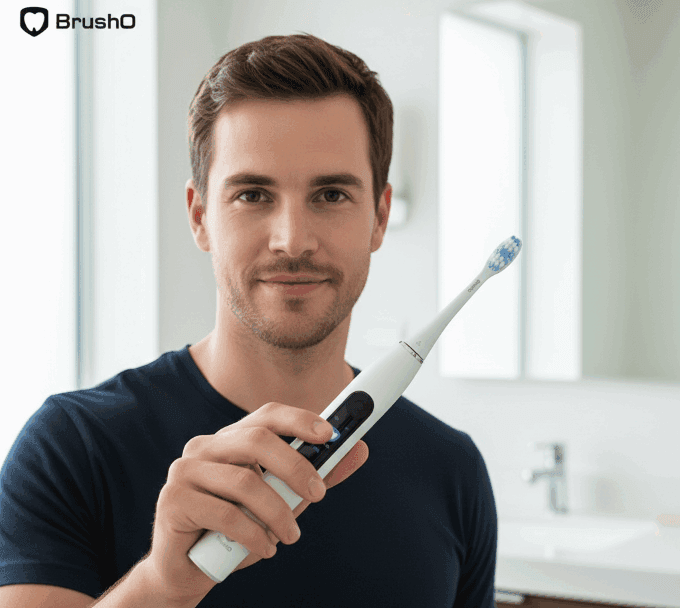
Antibiotics work by destroying or inhibiting bacterial growth. However, they do not distinguish between harmful and beneficial bacteria.
When antibiotics circulate through the saliva and bloodstream, they affect:
• Oral microbial diversity
• Biofilm composition on teeth
• Saliva chemistry
• Immune signaling within gum tissue
These changes can influence oral health weeks or even months after treatment.
Beneficial microbes regulate pH levels and compete against harmful pathogens. Antibiotics reduce these protective populations, allowing opportunistic bacteria or fungi to dominate.
Potential outcomes include:
• Increased plaque formation
• Higher cavity susceptibility
• Oral yeast overgrowth
• Gum sensitivity
Microbial ecosystems rarely return to identical pre-treatment states.
After antibiotic exposure, new microbial communities may form. These communities can behave differently, affecting:
• Breath odor production
• Acid generation
• Inflammatory response
• Plaque adhesion patterns
This shift explains why some individuals notice oral changes even after finishing medication.
Antibiotics may influence saliva flow or gland response. Reduced saliva weakens natural cleansing mechanisms and increases bacterial accumulation.
Microbial imbalance can temporarily alter taste perception or cause metallic flavors.
Enamel exposure and gum inflammation may occur if bacterial balance shifts toward acid-producing strains.
Immune modulation during microbial repapping can trigger mild inflammatory responses.
Microbiomes are adaptive systems. When antibiotics reshape the environment:
• Some species disappear
• Others permanently dominate
• New ecological balance forms
Research shows microbial composition may never fully revert, particularly after repeated antibiotic exposure. This does not necessarily mean damage, but it does mean habits must adapt.
Thorough plaque removal prevents opportunistic bacterial overgrowth during microbiome stabilization.
Saliva helps restore ecological balance and neutralize acids.
Fiber-rich foods support microbial recovery and immune function.
Improper pressure or missed zones increase risk during microbiome vulnerability.
AI-guided tools like BrushO assist users in maintaining stability during microbial transitions.
Ensures plaque removal across all zones while bacterial communities rebalance.
Protects gum tissues that may be temporarily sensitive.
Encourages consistency when routine disruptions occur during illness.
Allows gentler cleaning for post-treatment sensitivity.
Technology does not replace recovery — but it supports optimal conditions.
Antibiotics remain essential medical tools, yet awareness of their oral impact allows proactive care.
Maintaining bacterial equilibrium through:
• Structured hygiene routines
• Balanced microbial support
• Consistent monitoring
helps preserve resilience in oral ecosystems and prevents secondary complications.
Antibiotics reshape the oral microbiome in ways that can extend beyond treatment. While these medications protect systemic health, they also alter bacterial diversity, saliva dynamics, and oral balance. Understanding these changes empowers individuals to respond with intentional hygiene practices and supportive technologies. With intelligent guidance, habit tracking, and precision brushing, solutions like BrushO help users maintain stability and protect oral health through microbiome transitions. Oral health is not static — it evolves with every biological and lifestyle influence, and informed care ensures it evolves in the right direction.

The uncontrolled hypertension is the condition that the dental practice meets in the patient who presents with the elevated pressure that the guideline does not permit for the elective treatment, and the management of this patient requires the deferral of the dental procedure and the referral to ...

The closure of the extraction space in the orthodontic treatment is the phase that demands the careful selection of the mechanics and the monitoring of the force that the appliance delivers. The sliding mechanics that rely on the continuous archwire and the power chain that connects the brackets ...

The transverse discrepancy of the maxilla is the problem that the crowding and the posterior crossbite often hide, and the maxillary expansion is the treatment that addresses the width of the arch rather than the position of the individual tooth. The clinician who diagnoses the constriction early...

The local anaesthesia is the daily procedure that the modern dentistry treats as the routine, and the complications that follow it range from the transient and the trivial to the permanent and the serious. The clinician who injects by the habit without the anatomy in the mind is the clinician who...

The hypertension is the condition that the dental practice meets in the every day, and the patient who carries the elevated pressure without the symptoms is the patient who presents the risk that the chair-side measurement reveals. The dental team occupies the position that no other profession ho...

The glass-ceramic crown has become the default restoration for the anterior and the many posterior teeth, and the material selection within the family is the decision that determines the strength, the aesthetics, and the longevity of the result. The lithium disilicate, the leucite, and the zircon...

The dental phobia is the extreme form of the dental fear that prevents the patient from attending the treatment that the oral health requires, and the management of the phobia demands the skill that extends beyond the routine behaviour guidance. The systematic desensitization, the exposure therap...

The dental fear of the child is the condition that shapes the attitude for the lifetime, and the clinician who manages the first visits with the skill builds the patient who attends the recall without the dread. The fear that the child develops follows the many sources, and the practice that reco...

The patient with controlled hypertension is the patient who requires the dental care that the oral health demands and the treatment that the blood pressure permits, and the clinician who manages the controlled case safely follows the guideline that the evidence supports. The controlled hypertensi...

The ceramic veneer is the restoration that the aesthetic dentistry depends on, and the bond that retains the veneer on the enamel is the critical link that determines whether the restoration survives the function or fractures and debonds. The clinical technique from the preparation to the cementa...

एक मौखिक स्वास्थ्य डेटा नेटवर्क जल्दी और कम लागत पर इस तरह से बनाएं जिसमें हर कोई भाग ले सके।


Address: RM 1427, 14/F RADIO CITY 505, HENNESSY RD CAUSEWAY BAY, HONG KONG
Code: 000000
Phone: +852-53758652
Email: customerservice@brusho.com