
Many people assume that scrubbing their teeth harder leads to a cleaner mouth. In reality, aggressive brushing is one of the most common causes of gum recession and enamel erosion. Brushing with excessive force or using a hard-bristled toothbrush can permanently damage your teeth and gums—no matter how expensive your toothpaste is. With the rise of smart toothbrushes like BrushO, which provide real-time feedback on brushing pressure, users are learning to clean effectively without causing harm. This article uncovers the hidden risks of overbrushing and how you can protect your smile with smarter habits.
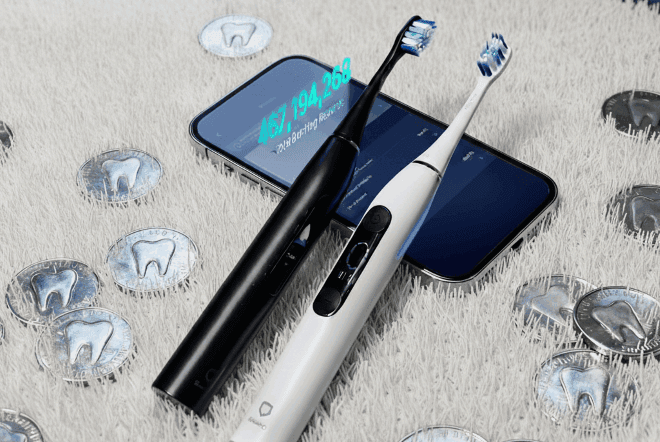
Aggressive brushing refers to:
• Using too much pressure during brushing
• Brushing in harsh, horizontal scrubbing motions
• Using stiff or worn-out bristles
• Rushing through brushing with excessive force
You might be brushing aggressively without even realizing it, especially if:
• Your toothbrush bristles fray quickly
• You regularly see blood when you spit after brushing
• You notice gumlines pulling back or sensitivity increasing
Enamel is the outermost protective layer of your teeth—and it doesn’t regenerate. Aggressive brushing wears it down, leading to:
• Increased sensitivity to hot, cold, or sweet foods
• Higher risk of cavities
• Dull, yellowish appearance (as dentin becomes exposed)
Once enamel is lost, it can only be replaced through dental treatments like bonding or veneers, not naturally.
Your gums are delicate tissues that don’t respond well to trauma. Brushing too hard can:
• Cause gums to pull back, exposing tooth roots
• Lead to persistent bleeding
• Create spaces between teeth where bacteria thrive
• Eventually lead to tooth loss
Receding gums are not just a cosmetic issue—they compromise the support structure of your teeth and are difficult to reverse.
Contrary to popular belief, plaque is soft and easily removed. It doesn’t require scrubbing. The American Dental Association recommends:
• Brushing for 2 full minutes
• Using gentle, circular motions
• Holding the brush at a 45° angle to the gumline
Brushing harder doesn’t clean better—it just injures your mouth.
BrushO’s AI-powered technology actively detects and corrects aggressive brushing:
• Pressure sensors alert you in real time if you’re brushing too hard
• Zone-based analysis helps guide proper motion and coverage
• Weekly reports reveal patterns of overbrushing
• Soft bristle heads designed for gentle cleaning
• Gamified feedback encourages correct technique, not just completion
Smart toothbrushes retrain your muscle memory, teaching your hands to brush smarter, not harder.
✅ Switch to a soft-bristled electric toothbrush
✅ Hold your brush with fingertips, not a fist
✅ Let the bristles do the work, not your wrist
✅ Use a fluoride toothpaste, not an abrasive one
✅ Focus on technique over speed or force
✅ Use a smart brush like BrushO for real-time coaching
Your goal should be gentle and consistent cleaning, not scrubbing your enamel off.
Brushing your teeth should protect your mouth, not damage it. Aggressive brushing is a hidden danger that leads to long-term oral health issues—from receding gums to enamel loss. Smart brushing habits and tools like BrushO empower you to clean better with less effort and zero harm. By brushing smarter, not harder, you preserve your enamel, protect your gums, and build a healthier, brighter smile for life.
Jan 26
Jan 26

Saliva has moved from the byproduct of the examination to the fluid that the modern practice can read, and the diagnostics that the salivary sample supports now reach from the caries risk to the periodontal inflammation and beyond. The fluid is easy to collect, safe to handle, and rich in the pro...

The narrow alveolar ridge is the common obstacle that the implant plan meets in the healed posterior site, and the ridge split technique is the approach that widens the crest without the block graft and the second surgical site. The technique uses the viscoelastic property of the bone, and the co...

The resin-bonded bridge is the conservative alternative to the conventional fixed prosthesis, and its place in the modern practice has widened as the adhesive dentistry matured. The prosthesis replaces the missing tooth with the minimal removal of the enamel from the abutment, and the retention i...

The systemic antibiotic has a defined and a narrow place in the periodontal therapy, and the clinician who respects its limits uses it well while the clinician who reaches for it routinely erodes both the result and the antibiotic stewardship. The mechanical debridement remains the foundation of ...

The bond failure of the bracket is the interruption that the fixed orthodontic treatment can tolerate in the small number but not in the pattern, and the clinician who understands the cause reduces the frequency that the repeated rebonding records. The failure that recurs on the single tooth poin...

The prescription pad is one of the most common sources of the oral complaint that the patient brings to the dental office, and the clinician who does not think of the medication may spend the appointment treating the symptom that the drug created. The list of the agents that affect the mouth grow...

The intraoral scanner has moved from the novelty of the early adopters to the standard equipment of the modern prosthodontic practice, and the comparison with the conventional impression has become a daily question rather than an academic one. The scanner captures the surface of the teeth and the...

The endodontic retreatment is the second chance that the tooth receives when the initial treatment fails to resolve the infection or the symptoms, and the procedure is both more demanding and more rewarding than the primary treatment. The clinician who retreats the tooth encounters the filling ma...

The access preparation is the gateway of every root canal treatment, and it is the step at which the outcome of the case is most often decided, for good or for ill. A well-designed access straightens the canal system, removes the coronal obstruction, and allows the instruments and the irrigants t...

The restoration that the laboratory returns is only as good as the information that the clinician sends, and the communication between the dentist and the technician is the step that determines whether the crown, the veneer, or the bridge meets the expectation of the patient. The shade, the form,...

Build an oral health data network quickly and at low cost in a way that everyone can build.


Address: RM 1427, 14/F RADIO CITY 505, HENNESSY RD CAUSEWAY BAY, HONG KONG
Code: 000000
Phone: +852-53758652
Email: customerservice@brusho.com