
Good oral hygiene isn’t just for adults—children need strong brushing habits as early as infancy. In fact, many long-term dental issues in adulthood have their roots in childhood neglect. Starting proper dental care early helps prevent cavities, establishes routines, and fosters a positive attitude toward oral health. More importantly, early habits shape lifelong behavior. As smart technologies like BrushO empower parents and children alike with gamified brushing, real-time guidance, and progress tracking, oral care becomes not only more effective—but also more enjoyable. Here’s why every child’s smile depends on starting early.
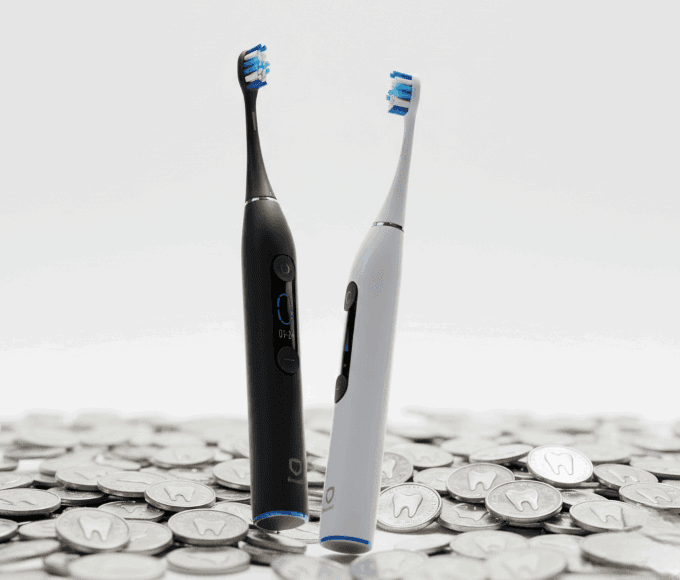
Although baby teeth eventually fall out, they serve critical roles:
• Holding space for permanent teeth
• Helping with chewing and speech
• Supporting jaw and facial development
Their enamel is thinner and softer, making them more susceptible to tooth decay. According to the CDC, 1 in 5 children aged 5–11 has at least one untreated decayed tooth.
• Early tooth loss and misalignment
• Pain, infection, and difficulty eating
• Speech delays and self-esteem issues
Oral care is as much about behavior as biology. Teaching children how—and why—to brush helps them:
• Develop motor skills through daily brushing
• Build a positive association with cleanliness and self-care
• Understand consequences of neglect (e.g. cavities, dentist visits)
Children who learn to brush and floss consistently are more likely to maintain these habits into adulthood—resulting in better lifelong oral health and reduced dental costs.
Many adults suffer from gingivitis and gum disease that starts in youth due to poor brushing around the gumline. The earlier a child learns to brush gently but thoroughly, the more likely they are to protect their gingival tissue and prevent inflammation long-term. BrushO’s AI-powered toothbrush guides children through the 6 brushing zones and 16 surfaces, ensuring they learn the full-mouth approach—not just a few front teeth.
Many dental fears in adulthood stem from painful or negative childhood experiences. Establishing a positive relationship with oral care at home helps reduce anxiety about dental checkups. When children feel empowered and confident, dental visits become part of normal life—not a dreaded event. Smart toothbrushes like BrushO add fun and feedback, gamifying brushing to reduce resistance and improve engagement.
Even in children, oral infections can affect systemic health. Untreated cavities or gum inflammation can:
• Spread to other organs via the bloodstream
• Affect growth, nutrition, and concentration
• Increase risk of chronic inflammation and even diabetes later
Good oral hygiene is a foundational pillar of pediatric health.
Studies show that parental involvement is crucial until at least age 7–8. However, many parents:
• Don’t know the correct brushing technique for kids
• Aren’t consistent with supervising
• Lack tools to monitor progress
BrushO’s smart brushing reports, gentle pressure sensors, and child-focused feedback help parents stay informed, and kids stay motivated—without nagging.
BrushO is more than a toothbrush—it’s a smart oral coach:
• Personalized feedback on brushing coverage and pressure
• Rewards system to build healthy daily streaks
• Parental dashboard to monitor brushing sessions in real-time
• Soft, kid-friendly brush heads and ergonomic design
• Bluetooth syncing for engaging brushing routines
By combining fun with science, BrushO helps kids grow up with not only cleaner teeth, but confidence, consistency, and control over their oral care.
Oral health habits formed in early childhood don’t just protect baby teeth—they shape a lifetime of healthier smiles. Parents who invest in their children’s oral care early are setting them up for success across health, confidence, and quality of life. Start brushing right, start brushing early—with BrushO.

The uncontrolled hypertension is the condition that the dental practice meets in the patient who presents with the elevated pressure that the guideline does not permit for the elective treatment, and the management of this patient requires the deferral of the dental procedure and the referral to ...

The closure of the extraction space in the orthodontic treatment is the phase that demands the careful selection of the mechanics and the monitoring of the force that the appliance delivers. The sliding mechanics that rely on the continuous archwire and the power chain that connects the brackets ...

The transverse discrepancy of the maxilla is the problem that the crowding and the posterior crossbite often hide, and the maxillary expansion is the treatment that addresses the width of the arch rather than the position of the individual tooth. The clinician who diagnoses the constriction early...

The local anaesthesia is the daily procedure that the modern dentistry treats as the routine, and the complications that follow it range from the transient and the trivial to the permanent and the serious. The clinician who injects by the habit without the anatomy in the mind is the clinician who...

The hypertension is the condition that the dental practice meets in the every day, and the patient who carries the elevated pressure without the symptoms is the patient who presents the risk that the chair-side measurement reveals. The dental team occupies the position that no other profession ho...

The glass-ceramic crown has become the default restoration for the anterior and the many posterior teeth, and the material selection within the family is the decision that determines the strength, the aesthetics, and the longevity of the result. The lithium disilicate, the leucite, and the zircon...

The dental phobia is the extreme form of the dental fear that prevents the patient from attending the treatment that the oral health requires, and the management of the phobia demands the skill that extends beyond the routine behaviour guidance. The systematic desensitization, the exposure therap...

The dental fear of the child is the condition that shapes the attitude for the lifetime, and the clinician who manages the first visits with the skill builds the patient who attends the recall without the dread. The fear that the child develops follows the many sources, and the practice that reco...

The patient with controlled hypertension is the patient who requires the dental care that the oral health demands and the treatment that the blood pressure permits, and the clinician who manages the controlled case safely follows the guideline that the evidence supports. The controlled hypertensi...

The ceramic veneer is the restoration that the aesthetic dentistry depends on, and the bond that retains the veneer on the enamel is the critical link that determines whether the restoration survives the function or fractures and debonds. The clinical technique from the preparation to the cementa...

Build an oral health data network quickly and at low cost in a way that everyone can build.


Address: RM 1427, 14/F RADIO CITY 505, HENNESSY RD CAUSEWAY BAY, HONG KONG
Code: 000000
Phone: +852-53758652
Email: customerservice@brusho.com