
Brushing your teeth in the morning is about more than just starting fresh. It resets your oral environment after a night of bacterial activity, helps prevent bad breath, and protects your enamel from acid attacks throughout the day. Yet many people delay or skip this crucial step due to busy routines or misunderstandings about its purpose. In this article, we’ll explore the science behind morning brushing, the risks of skipping it, and how smart tools like BrushO ensure this important habit isn’t overlooked.
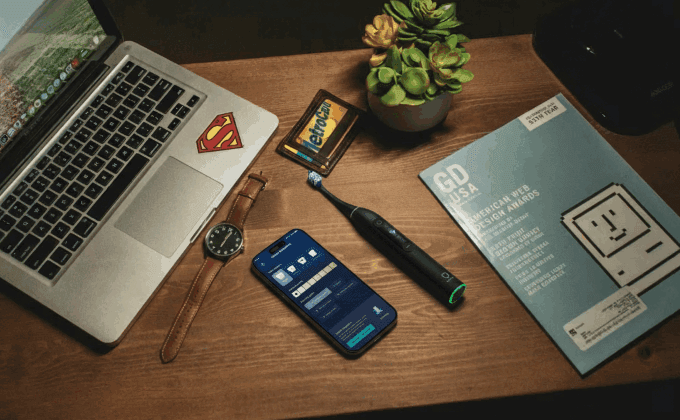
During sleep, your body produces less saliva, which normally helps neutralize acids and wash away bacteria. This dry environment allows harmful bacteria to flourish overnight—leading to plaque buildup, foul-smelling compounds, and enamel vulnerability.
• Remove overnight bacterial buildup.
• Reduce volatile sulfur compounds (VSCs) responsible for bad breath.
• Prepare your enamel for the day’s acidic challenges like coffee, juice, or breakfast foods.
Even if you brushed the night before, the microbial load resets while you sleep. Morning brushing is your defense reset.
Contrary to popular belief, morning breath isn’t just caused by garlic or onion from the night before—it’s primarily caused by the natural accumulation of bacteria in the mouth while you sleep. Skipping your morning brush allows these bacteria to linger, increasing your risk of:
• Gum inflammation
• Cavities in hard-to-reach areas
• Early tartar formation
Many people wait to brush until after eating, thinking it’s better to “clean after food.” However, brushing before breakfast is actually recommended by dentists, especially if you’re consuming acidic foods (such as fruit or juice). Brushing right after acids can harm your softened enamel.
Tip: Brush first, then rinse or chew sugar-free gum after breakfast if you want a clean mouth feel.
BrushO’s AI-powered smart toothbrush helps ensure you never skip or rush morning brushing:
• Brushing Reminders: Get notified to brush even during chaotic mornings.
• Pressure & Zone Feedback: Avoid overbrushing and ensure complete coverage, even when you’re groggy.
• Multiple Modes: Use “Fresh Mode” or “Whitening” mode to tailor your morning experience.
• Habit Streaks & Rewards: Earn $BRUSH tokens for consistency, turning a daily habit into a daily win.
Smart tools reduce excuses—and BrushO builds a routine worth waking up for.
• Brush immediately after waking up
• Use fluoride toothpaste
• Clean your tongue
• Rinse thoroughly
• Wait until after acidic foods
• Brush aggressively or in a rush
• Skip just because you’re running late
Skipping your morning brush is like skipping breakfast for your mouth. It leaves you vulnerable to bacteria, bad breath, and long-term damage. With tools like BrushO, brushing becomes effortless, efficient, and rewarding. It’s not just about fresh breath—it’s about protecting your smile from the moment your day begins.
Jan 20
Jan 20

The uncontrolled hypertension is the condition that the dental practice meets in the patient who presents with the elevated pressure that the guideline does not permit for the elective treatment, and the management of this patient requires the deferral of the dental procedure and the referral to ...

The closure of the extraction space in the orthodontic treatment is the phase that demands the careful selection of the mechanics and the monitoring of the force that the appliance delivers. The sliding mechanics that rely on the continuous archwire and the power chain that connects the brackets ...

The transverse discrepancy of the maxilla is the problem that the crowding and the posterior crossbite often hide, and the maxillary expansion is the treatment that addresses the width of the arch rather than the position of the individual tooth. The clinician who diagnoses the constriction early...

The local anaesthesia is the daily procedure that the modern dentistry treats as the routine, and the complications that follow it range from the transient and the trivial to the permanent and the serious. The clinician who injects by the habit without the anatomy in the mind is the clinician who...

The hypertension is the condition that the dental practice meets in the every day, and the patient who carries the elevated pressure without the symptoms is the patient who presents the risk that the chair-side measurement reveals. The dental team occupies the position that no other profession ho...

The glass-ceramic crown has become the default restoration for the anterior and the many posterior teeth, and the material selection within the family is the decision that determines the strength, the aesthetics, and the longevity of the result. The lithium disilicate, the leucite, and the zircon...

The dental phobia is the extreme form of the dental fear that prevents the patient from attending the treatment that the oral health requires, and the management of the phobia demands the skill that extends beyond the routine behaviour guidance. The systematic desensitization, the exposure therap...

The dental fear of the child is the condition that shapes the attitude for the lifetime, and the clinician who manages the first visits with the skill builds the patient who attends the recall without the dread. The fear that the child develops follows the many sources, and the practice that reco...

The patient with controlled hypertension is the patient who requires the dental care that the oral health demands and the treatment that the blood pressure permits, and the clinician who manages the controlled case safely follows the guideline that the evidence supports. The controlled hypertensi...

The ceramic veneer is the restoration that the aesthetic dentistry depends on, and the bond that retains the veneer on the enamel is the critical link that determines whether the restoration survives the function or fractures and debonds. The clinical technique from the preparation to the cementa...

Build an oral health data network quickly and at low cost in a way that everyone can build.


Address: RM 1427, 14/F RADIO CITY 505, HENNESSY RD CAUSEWAY BAY, HONG KONG
Code: 000000
Phone: +852-53758652
Email: customerservice@brusho.com