
Can you bring an electric toothbrush on a plane? The short answer is yes—but with conditions. Most airlines and airport security agencies allow passengers to carry electric toothbrushes in both checked luggage and carry-ons. However, if your toothbrush contains a lithium battery, it usually must go in your carry-on, not checked baggage. In this article, we’ll break down TSA rules, share travel-friendly packing tips, and explain why the BrushO Smart Electric Toothbrush, with its safe battery design, waterproof body, and Qi wireless charging compatibility, is the perfect companion for frequent flyers.
According to the Transportation Security Administration (TSA):
👉 The reason is simple: lithium batteries pose a small fire risk if damaged or short-circuited, so airlines prefer them in the cabin, where issues can be addressed quickly.
Not all electric toothbrushes use the same battery type:
Always check your airline’s rules before flying internationally, as some countries apply stricter limits.
Even when allowed in checked baggage, most dentists and frequent travelers recommend keeping your toothbrush in your carry-on. Why?
While TSA rules apply in the U.S., other countries have similar but not identical guidelines. For example:
Always double-check with your airline when flying abroad.
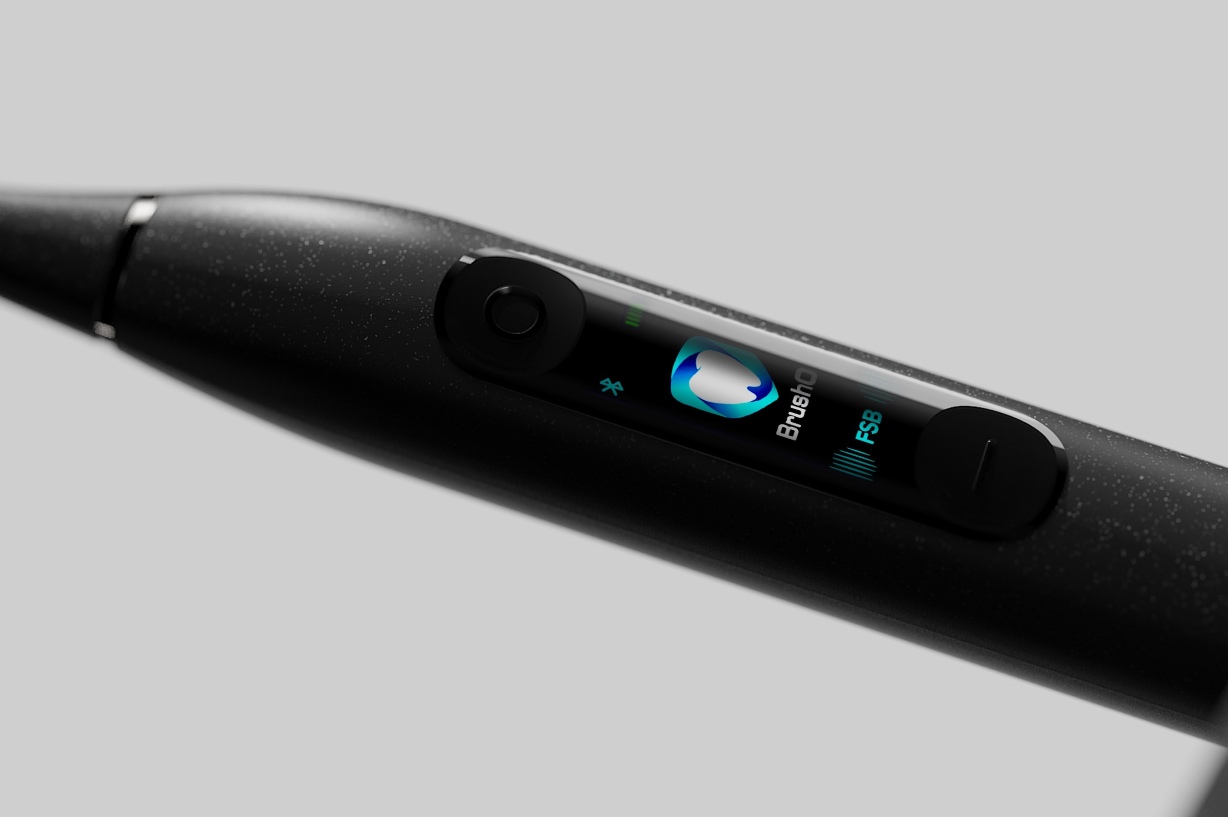
Travelers need more than just permission to bring their toothbrush—they need convenience, safety, and durability. This is where BrushO stands out:
Long-lasting rechargeable battery built to comply with TSA and international flight rules.
No need to carry bulky chargers, use the same Qi pad you charge your phone with.
Easy to rinse and keep clean while on the go.
Each set includes four replacement brush heads, so you won’t need to buy extras mid-trip.
From quick cleans on a short trip to deep cleans on long journeys, BrushO adapts to your needs.
👉 In short: BrushO is built for travel, making it easier to stay fresh and confident anywhere in the world.
Q1: Can I pack my electric toothbrush in checked luggage?
Yes, but if it has a lithium battery, it must go in your carry-on.
Q2: Will my toothbrush turn on during the flight?
Rarely, but turn it off before packing and consider locking it if your model allows.
Q3: Can I bring BrushO on international flights?
Yes. BrushO complies with TSA and international airline safety standards.
Q4: Do I need to carry the charger?
Not always. BrushO lasts up to 45 days on a single charge, so short trips often require no charger.
So, can you bring an electric toothbrush on a plane?
Absolutely—just follow the rules for batteries and pack smart. With BrushO’s safe battery design, Qi wireless charging, waterproof body, and long battery life, you’ll breeze through security and enjoy worry-free oral care while traveling.

Squamous cell carcinoma is not a single, uniform disease, and two of its oral variants illustrate the extremes of its behavior. Verrucous carcinoma is a slow-growing, exophytic tumor that almost never metastasizes, while spindle cell carcinoma is an aggressive, sarcomatoid malignancy that can be ...

Most people expect a toothache to be the first sign of pulp disease, but some forms of pulpitis are surprisingly silent. A pulp polyp is the visible result of chronic hyperplastic pulpitis, a condition in which the dental pulp grows out of a large carious opening as a fleshy mass. Recognizing thi...

Dry mouth is not merely uncomfortable; it is a medical condition with real consequences for teeth, speech, swallowing and quality of life. When the salivary glands cannot produce enough saliva, medications called sialogogues can restore some of the missing fluid. Pilocarpine and cevimeline are th...

A blister in the mouth can be the first warning of a systemic autoimmune disease, and two disorders deserve particular attention in the dental chair: pemphigus vulgaris and mucous membrane pemphigoid. Both produce chronic oral ulceration, yet their immunologic targets, clinical behavior and long-...

When infection drains from a tooth, the body often creates a visible escape route, and the dentist must interpret these fistulous openings correctly. A parulis is the common gum boil that signals chronic periapical infection, while an oroantral fistula is a communication between the mouth and the...

Among the fibro-osseous lesions of the jaws, the ossifying fibroma holds a unique position because it is a true neoplasm, unlike the reactive cemento-osseous dysplasia discussed in an earlier article. It grows continuously, expands bone and requires surgical removal, and its cemental variant adds...

Not all keratocystic lesions of the jaw behave alike, and one of the most important distinctions in oral pathology separates the orthokeratinized odontogenic cyst from its better-known relative, the odontogenic keratocyst. Although the two lesions look similar under the microscope at first glance...

Periodontal disease is usually a slowly progressive infection, but a rare form called necrotizing ulcerative periodontitis destroys tissue with alarming speed. Unlike ordinary periodontitis, this condition produces necrotic, cratered papillae, deep pocketing and rapid bone loss, and it appears al...

Every parent has met the child who refuses to eat because of painful mouth sores, and most of these children have one of two viral illnesses: herpangina or hand, foot and mouth disease. Both are caused by enteroviruses, both produce fever and oral ulcers, and both are overwhelmingly common in you...

Cementoosseous dysplasia is one of the most common fibro-osseous lesions found on dental radiographs, yet it is also one of the most frequently misdiagnosed. The lesion replaces normal bone with cellular fibrous tissue and cementum-like material, and it appears in several forms that range from a ...

Construire rapidement et à faible coût un réseau de données sur la santé bucco-dentaire de manière que tout le monde puisse y contribuer.
Construire rapidement et à faible coût un réseau de données sur la santé bucco-dentaire de manière que tout le monde puisse y contribuer.


Address: RM 1427, 14/F RADIO CITY 505, HENNESSY RD CAUSEWAY BAY, HONG KONG
Code: 000000
Phone: +852-53758652
Email: customerservice@brusho.com