
Brushing your teeth may seem like a simple daily task, but even small mistakes—like brushing too hard, skipping zones, or using the wrong technique—can silently cause long-term damage. Over time, these seemingly harmless habits contribute to enamel erosion, gum recession, plaque buildup, and even tooth loss. This article explores how minor brushing errors can add up and how smart brushing with BrushO helps correct them in real time.
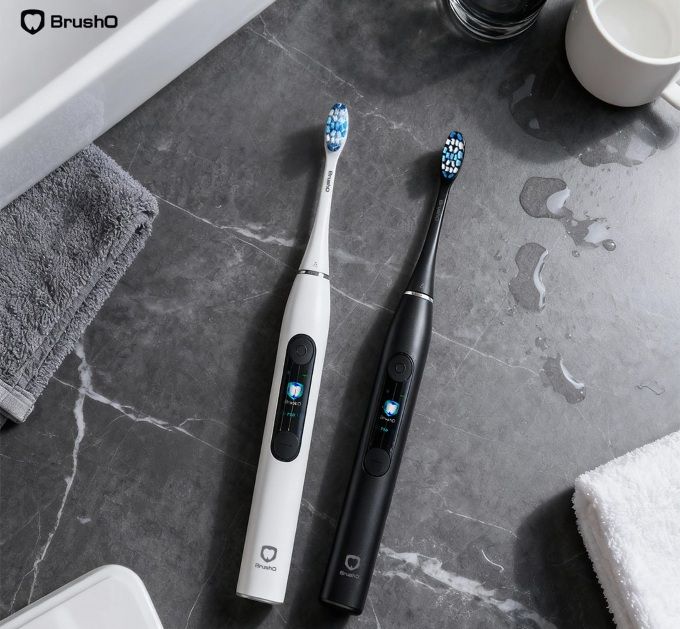
Aggressive brushing can wear down enamel and cause gum recession. Many believe that scrubbing harder cleans better, but in reality, gentle pressure is more effective—and less damaging.
It’s easy to habitually skip the same spots, especially the back molars or along the gumline. These neglected areas accumulate plaque and bacteria, leading to decay and inflammation.
Speeding through your brushing in under a minute doesn’t give enough time to thoroughly clean all surfaces. The ADA recommends brushing for at least two minutes.
Worn bristles lose effectiveness and may even damage gums. Replacing your brush head every 3 months is essential for proper cleaning.
Failing to angle your brush at 45 degrees toward the gumline can leave harmful plaque at the edge of your teeth and gums—where gum disease often starts.
Even if you don’t notice immediate symptoms, these small mistakes build up over weeks and months. Here’s how:
| Mistake | Long-Term Impact |
| Brushing too hard | Gum recession, enamel loss, sensitivity |
| Skipping zones | Cavities in hard-to-reach places |
| Brushing too short | Ineffective plaque removal |
| Old brush head | Incomplete cleaning, increased gum irritation |
| Ignoring gumline | Gum disease, gingivitis, bad breath |
These issues often progress silently, only surfacing when visible symptoms or pain occur—by which point professional treatment may be needed.
BrushO is designed to guide users away from common brushing errors using AI-powered smart brushing technology:
• Pressure detection prevents over-brushing and alerts you in real-time.
• Zone tracking (6 zones, 16 surfaces) ensures no area is left untouched.
• Timer + feedback guarantees you brush long enough, with proper technique.
• Replacement reminders notify you when it’s time to swap out your brush head.
• Daily brushing scores help you build better habits over time.
With consistent use, BrushO not only corrects mistakes—it trains you to brush smarter, not harder.
• Use a soft-bristled brush with gentle pressure.
• Brush for at least two minutes, twice daily.
• Replace brush heads every 3 months or sooner if worn.
• Angle your brush to reach the gumline and back teeth.
• Rely on smart technology like BrushO for real-time coaching.
Small mistakes in brushing don’t seem like a big deal—until they snowball into real dental problems. But the good news is that habits can be changed. With BrushO’s intelligent features, you can identify and fix these issues early, preventing long-term damage and setting yourself up for a healthier smile.
Jan 9
Jan 9

Pair varied nutrient sources and realistic food habits with BrushO’s powered brushing, timed structure and pressure awareness for everyday care.

Understand why receding gums need assessment and how BrushO’s pressure response, comfort settings and timed prompts can support daily technique.

Know when a suspected cracked tooth needs dental assessment and where BrushO may fit in an ongoing brushing routine after professional advice.

Learn what clinicians may check, which persistent mouth changes deserve assessment, and why BrushO brushing stays separate from cancer screening.

Prepare for dental visits with communication and a personal plan, while BrushO offers familiar brushing structure and eligible habit feedback.

Plan brushing around acidic meals, keep a twice-daily routine, and use BrushO’s timer and pressure response once it is time to brush.

Separate soft plaque from hardened tartar, and understand how BrushO’s daily brushing support fits alongside interdental and professional cleaning.

Learn how enamel, dentin, pulp and roots relate to daily care, and use BrushO’s timer and pressure response for more deliberate surface cleaning.

Explore oral acidity, mineral loss and daily habits, with a realistic role for BrushO’s powered brushing, timer and pressure-responsive hardware.

Understand possible causes of tooth sensitivity and consider BrushO’s Sensitive mode, pressure response and timer alongside appropriate dental advice.

Construire rapidement et à faible coût un réseau de données sur la santé bucco-dentaire de manière que tout le monde puisse y contribuer.
Construire rapidement et à faible coût un réseau de données sur la santé bucco-dentaire de manière que tout le monde puisse y contribuer.


Address: RM 1427, 14/F RADIO CITY 505, HENNESSY RD CAUSEWAY BAY, HONG KONG
Code: 000000
Phone: +852-53758652
Email: customerservice@brusho.com