
Many people believe that brushing harder means cleaning better—but when it comes to gum health, the opposite is often true. Gum recession, a common condition where gum tissue pulls away from the tooth, can be caused or worsened by aggressive or improper brushing techniques. This article explores how your brushing style—pressure, frequency, angle, and tool choice—can contribute to receding gums. We’ll also provide tips for prevention and introduce smart solutions like the AI-powered BrushO toothbrush that can help correct harmful habits through real-time feedback and pressure control.
Gum recession occurs when the gum tissue surrounding your teeth wears away or pulls back, exposing more of the tooth or its root. This condition can:
• Make teeth appear longer
• Cause tooth sensitivity
• Increase the risk of decay and infection
• Lead to tooth loss in severe cases
Although gum recession is often associated with gum disease, brushing style is a surprisingly common and preventable contributor.
Aggressive brushing may feel thorough, but it can actually damage the soft tissue of your gums and abrade enamel over time. This is a major cause of gum recession—especially when combined with hard-bristled brushes.
Brushing at a 90° angle instead of the recommended 45° angle to the gum line can push gum tissue downward instead of gently sweeping plaque away.
Hard or medium bristles are too abrasive for most people, especially those with sensitive gums or early signs of gum recession. A soft-bristled brush is generally safest.
Brushing more than three times a day—especially with excessive pressure—can do more harm than good.
• You notice your teeth look longer than they used to
• Your gums feel sore or inflamed after brushing
• You have persistent tooth sensitivity
• Your dentist mentions exposed root surfaces or a declining gum line
If any of these apply, your brushing habits may be part of the problem.
Choose a brush designed for gentle cleaning. Soft bristles are more effective at plaque removal than you might think—and they’re safer for your gums.
Let the bristles do the work. You shouldn’t be scrubbing—just gliding the brush over each tooth in small circular motions.
Use the Bass method: tilt your brush at a 45° angle toward the gumline and use small, back-and-forth motions.
Long enough to clean thoroughly, but not so long that it becomes abrasive—especially if your technique is aggressive.
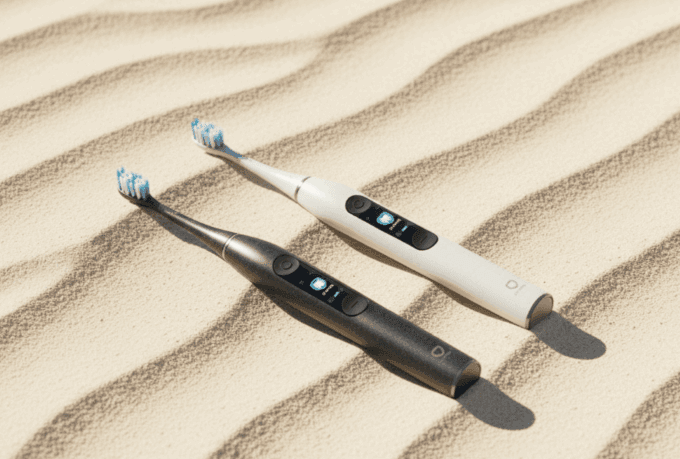
If you’re unsure about your brushing pressure or coverage, BrushO’s AI-powered technology offers:
• Pressure Monitoring: Alerts when you’re brushing too hard
• Zone Coverage Tracking: Ensures all areas are cleaned equally
• Custom Modes: Choose gentle modes tailored for gum care
• Habit Tracking: Build long-term consistency with smart reminders
• $BRUSH Rewards: Earn tokens for good brushing habits, making oral care engaging
With real-time feedback, BrushO empowers users to correct harmful brushing styles before they lead to permanent gum damage.
• Visit the dentist regularly for early signs of recession
• Floss daily to prevent plaque buildup at the gumline
• Avoid tobacco products, which increase gum disease risk
• Manage stress, as it can contribute to teeth grinding and gum problems
• Stay hydrated, supporting saliva flow and natural cleansing
The way you brush matters just as much as how often you brush. Improper brushing techniques—especially excessive pressure—can silently contribute to gum recession, even in people who are diligent about oral hygiene. By choosing the right tools and adopting a mindful, gentle routine, you can protect your gums and preserve your smile for the long term.
Jan 20
Jan 20

The uncontrolled hypertension is the condition that the dental practice meets in the patient who presents with the elevated pressure that the guideline does not permit for the elective treatment, and the management of this patient requires the deferral of the dental procedure and the referral to ...

The closure of the extraction space in the orthodontic treatment is the phase that demands the careful selection of the mechanics and the monitoring of the force that the appliance delivers. The sliding mechanics that rely on the continuous archwire and the power chain that connects the brackets ...

The transverse discrepancy of the maxilla is the problem that the crowding and the posterior crossbite often hide, and the maxillary expansion is the treatment that addresses the width of the arch rather than the position of the individual tooth. The clinician who diagnoses the constriction early...

The local anaesthesia is the daily procedure that the modern dentistry treats as the routine, and the complications that follow it range from the transient and the trivial to the permanent and the serious. The clinician who injects by the habit without the anatomy in the mind is the clinician who...

The hypertension is the condition that the dental practice meets in the every day, and the patient who carries the elevated pressure without the symptoms is the patient who presents the risk that the chair-side measurement reveals. The dental team occupies the position that no other profession ho...

The glass-ceramic crown has become the default restoration for the anterior and the many posterior teeth, and the material selection within the family is the decision that determines the strength, the aesthetics, and the longevity of the result. The lithium disilicate, the leucite, and the zircon...

The dental phobia is the extreme form of the dental fear that prevents the patient from attending the treatment that the oral health requires, and the management of the phobia demands the skill that extends beyond the routine behaviour guidance. The systematic desensitization, the exposure therap...

The dental fear of the child is the condition that shapes the attitude for the lifetime, and the clinician who manages the first visits with the skill builds the patient who attends the recall without the dread. The fear that the child develops follows the many sources, and the practice that reco...

The patient with controlled hypertension is the patient who requires the dental care that the oral health demands and the treatment that the blood pressure permits, and the clinician who manages the controlled case safely follows the guideline that the evidence supports. The controlled hypertensi...

The ceramic veneer is the restoration that the aesthetic dentistry depends on, and the bond that retains the veneer on the enamel is the critical link that determines whether the restoration survives the function or fractures and debonds. The clinical technique from the preparation to the cementa...

Construire rapidement et à faible coût un réseau de données sur la santé bucco-dentaire de manière que tout le monde puisse y contribuer.
Construire rapidement et à faible coût un réseau de données sur la santé bucco-dentaire de manière que tout le monde puisse y contribuer.


Address: RM 1427, 14/F RADIO CITY 505, HENNESSY RD CAUSEWAY BAY, HONG KONG
Code: 000000
Phone: +852-53758652
Email: customerservice@brusho.com