
Smart toothbrushes make brushing more enjoyable and effective for kids by utilizing engaging technology and providing real-time feedback. They’re a smart solution for parents looking to improve their child’s oral care. Teaching kids to brush their teeth properly can be a daily battle. Between distractions, short attention spans, and poor technique, it’s no surprise that many children don’t brush effectively. Fortunately, smart toothbrushes designed for kids are transforming this routine into an enjoyable and educational experience. With built-in timers, gamified brushing guidance, and parent-connected apps, devices like BrushO help kids build consistent, healthy brushing habits. This article explores how smart toothbrushes support better dental hygiene in children, and why tech-powered brushing might be the solution modern families need.
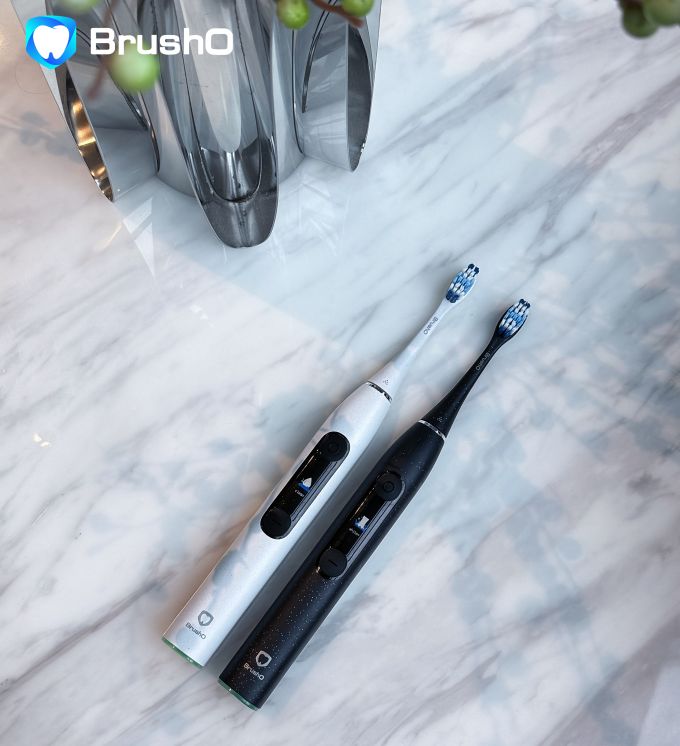
Let’s face it—getting kids to brush their teeth properly is tough. Most children don’t brush long enough, skip spots, or brush too hard. According to the American Dental Association, kids need help with brushing until about age 6 or 7, and even older children benefit from brushing guidance. But parents are busy, and kids often rush through their routines.
Smart toothbrushes like BrushO turn brushing into a game. The connected app shows animations or challenges that kids complete by brushing correctly. This encourages longer brushing sessions and builds consistency.
Kids often don’t realize they’re brushing too hard or missing areas. Smart sensors in the brush give instant feedback—vibrations, sounds, or visual cues—helping children develop proper pressure and coverage.
Parents can track their child’s brushing habits through the app. You’ll see how long they brushed, which areas they missed, and whether they brushed twice a day. This visibility lets you reinforce good habits without standing in the bathroom every morning.
With reward-based systems like BrushO’s Brush & Earn, kids earn points or badges for consistent brushing. These incentives transform brushing into a positive experience rather than a chore.
Smart toothbrushes for kids are built with smaller brush heads, softer bristles, and ergonomic handles, making them easier and safer to use for young hands and mouths.
BrushO’s smart toothbrush combines powerful AI technology with a kid-friendly design. It features:
• Real-time brushing zone detection
• Gentle alerts for pressure and coverage
• Parental reports and progress tracking
• Fun brushing animations in the app
• Points-based rewards with the Brush & Earn system
• Lifetime free brush head replacement system
With BrushO, you’re not just giving your child a toothbrush—you’re helping them build lifelong healthy habits.
Smart toothbrushes are more than a tech trend—they’re a practical solution for families struggling with daily brushing routines. With fun features and real feedback, kids learn to take charge of their dental health. And when brushing becomes something they want to do, everyone wins.
BrushO is a next-gen smart toothbrush brand designed to turn healthy brushing habits into a fun, rewarding experience. Through real-time feedback, personalized brushing guidance, and eco-friendly design, BrushO helps both kids and adults brush better—together.
Nov 11
Nov 11

Vitamin D is best known for its role in calcium homeostasis and bone mineralisation, yet it also modulates innate immunity and inflammation, both of which are central to periodontal disease. For that reason it has become one of the most discussed nutrients in periodontology, and the question is w...

The toothbrush aisle offers dozens of options, but the variable that matters most is not the handle colour or the grip. It is the stiffness of the bristles. This article compares soft and medium bristles using the evidence that actually informs clinical advice, from plaque removal to gingival saf...

Few topics generate more parental anxiety than teething, and few are surrounded by more persistent myths. The evidence shows that tooth eruption causes milder and narrower symptoms than most caregivers expect, which means that a distressed infant with a fever usually needs a diagnosis rather than...

What you eat in the week after a tooth extraction shapes how comfortable that week feels and how quickly the socket closes. A soft food diet is not simply an instruction about texture; it protects the blood clot, supplies the nutrients that rebuild tissue and prevents the pressure and suction tha...

A crown that is designed, milled and fitted in a single appointment sounds like a straightforward improvement on the two-visit routine, but the comparison is more nuanced than marketing suggests. Fit, survival and cost all depend on the material and the operator as much as on the technology used ...

Osteoporosis treatment and dental care intersect at a single, serious complication: medication-related osteonecrosis of the jaw. The condition is uncommon but consequential, and the risk is strongly shaped by decisions made long before a tooth becomes a problem, which is why patients and clinicia...

A click in the jaw when opening the mouth is one of the most common findings in dentistry, and one of the least understood by patients. For most people it is a harmless mechanical event, but in a minority it signals a joint problem that benefits from assessment and conservative treatment.

Fluoride is the most effective caries-preventive agent available, and parents encounter it in two very different forms: the toothpaste used at home every day and the varnish applied in the dental chair. The two are complementary rather than competing, and understanding what each contributes preve...

Enamel defects in children range from small white patches that cause no trouble to large areas of missing enamel that expose dentine and break down soon after eruption. Recognising the type of defect and its cause allows clinicians to prevent the breakdown rather than simply repair the damage.

A short sharp sensation on drinking cold water is one of the most common complaints in the days after a restoration, and it is also one of the most misunderstood. Most episodes resolve without intervention, but a minority reflect problems that need attention, so knowing the timeline and the warni...

एक मौखिक स्वास्थ्य डेटा नेटवर्क जल्दी और कम लागत पर इस तरह से बनाएं जिसमें हर कोई भाग ले सके।


Address: RM 1427, 14/F RADIO CITY 505, HENNESSY RD CAUSEWAY BAY, HONG KONG
Code: 000000
Phone: +852-53758652
Email: customerservice@brusho.com