
Whitening mouthwashes are a popular addition to many dental routines, offering a convenient way to brighten your smile without the need for professional treatments. But are they safe for daily use? While these rinses promise stain removal and a cleaner appearance, they often contain strong ingredients like hydrogen peroxide and alcohol, which may irritate gums, weaken enamel, and disrupt your oral microbiome over time. This article breaks down the pros and cons of whitening mouthwashes, offers guidance on safe use, and explains how AI-powered brushing tools like BrushO can enhance your whitening goals without the risk of damage.
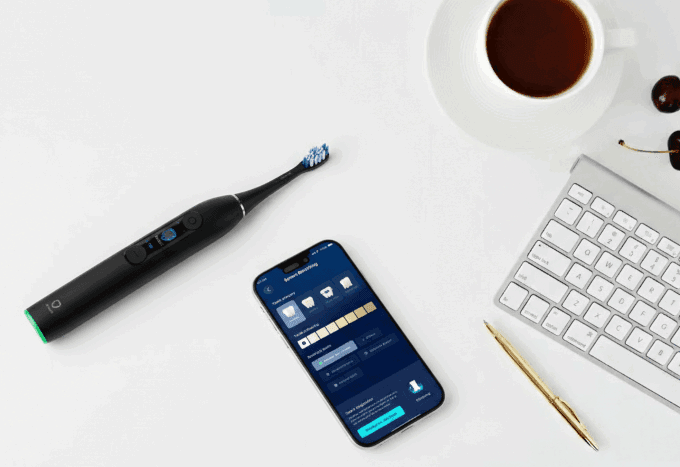
Whitening mouthwashes are oral rinses formulated with bleaching agents such as hydrogen peroxide or carbamide peroxide. Their purpose is to:
• Lighten surface stains from coffee, wine, or tobacco.
• Freshen breath and reduce bacteria.
• Serve as a convenient whitening supplement to brushing and flossing.
Many brands advertise “visible results in weeks,” making them an attractive daily-use product.
While generally safe when used occasionally or as directed, certain ingredients and long-term use may cause unintended consequences:
Used for bleaching, hydrogen peroxide can irritate soft tissues like gums, cheeks, and the tongue with daily use. It may cause:
• Burning sensations
• Gum inflammation
• Increased tooth sensitivity
Prolonged use, especially without professional supervision, may contribute to enamel weakening—especially if combined with:
• Acidic diets
• Overbrushing
• Other whitening products
Whitening mouthwashes may disrupt the natural balance of oral bacteria, potentially affecting breath, immunity, and even digestion.
Many whitening rinses contain alcohol, which can dry out your mouth and worsen bad breath or cause irritation, especially in sensitive users.
If you choose to use a whitening rinse, follow these guidelines:
• Limit Frequency: Use 2–3 times per week instead of daily.
• Avoid Mixing: Don’t combine with other peroxide-based products.
• Wait Before Brushing: Don’t brush immediately after rinsing to avoid friction on softened enamel.
• Choose Alcohol-Free Options: They are gentler and less drying.
• Monitor Sensitivity: Discontinue use if you experience burning, pain, or gum discomfort.
Rather than relying on chemical rinses alone, you can safely achieve whitening with smart brushing habits:
• Whitening Mode: Gently polishes teeth without damaging enamel.
• Pressure Sensors: Prevent aggressive brushing that worsens sensitivity.
• Coverage Tracking: Ensures plaque and stains are removed from all surfaces.
• Real-Time Feedback: Guides you to optimize timing, angle, and zone attention.
• Consistency Rewards: Earn $BRUSH tokens to stay motivated in your oral wellness journey.
By pairing smart brushing with occasional whitening rinses and professional guidance, you get the aesthetic benefit without the hidden risks.
Whitening mouthwashes offer short-term cosmetic benefits, but daily use may come at a cost—especially for users with sensitive teeth, gum issues, or poor brushing technique. The safest approach is moderation, awareness of ingredients, and the support of smart oral care technology like BrushO. A brighter smile should never come at the expense of long-term oral health.
Jan 20
Jan 20

The uncontrolled hypertension is the condition that the dental practice meets in the patient who presents with the elevated pressure that the guideline does not permit for the elective treatment, and the management of this patient requires the deferral of the dental procedure and the referral to ...

The closure of the extraction space in the orthodontic treatment is the phase that demands the careful selection of the mechanics and the monitoring of the force that the appliance delivers. The sliding mechanics that rely on the continuous archwire and the power chain that connects the brackets ...

The transverse discrepancy of the maxilla is the problem that the crowding and the posterior crossbite often hide, and the maxillary expansion is the treatment that addresses the width of the arch rather than the position of the individual tooth. The clinician who diagnoses the constriction early...

The local anaesthesia is the daily procedure that the modern dentistry treats as the routine, and the complications that follow it range from the transient and the trivial to the permanent and the serious. The clinician who injects by the habit without the anatomy in the mind is the clinician who...

The hypertension is the condition that the dental practice meets in the every day, and the patient who carries the elevated pressure without the symptoms is the patient who presents the risk that the chair-side measurement reveals. The dental team occupies the position that no other profession ho...

The glass-ceramic crown has become the default restoration for the anterior and the many posterior teeth, and the material selection within the family is the decision that determines the strength, the aesthetics, and the longevity of the result. The lithium disilicate, the leucite, and the zircon...

The dental phobia is the extreme form of the dental fear that prevents the patient from attending the treatment that the oral health requires, and the management of the phobia demands the skill that extends beyond the routine behaviour guidance. The systematic desensitization, the exposure therap...

The dental fear of the child is the condition that shapes the attitude for the lifetime, and the clinician who manages the first visits with the skill builds the patient who attends the recall without the dread. The fear that the child develops follows the many sources, and the practice that reco...

The patient with controlled hypertension is the patient who requires the dental care that the oral health demands and the treatment that the blood pressure permits, and the clinician who manages the controlled case safely follows the guideline that the evidence supports. The controlled hypertensi...

The ceramic veneer is the restoration that the aesthetic dentistry depends on, and the bond that retains the veneer on the enamel is the critical link that determines whether the restoration survives the function or fractures and debonds. The clinical technique from the preparation to the cementa...

Costruire rapidamente e a basso costo una rete di dati sulla salute orale in modo che tutti possano creare.
Costruire rapidamente e a basso costo una rete di dati sulla salute orale in modo che tutti possano creare.


Address: RM 1427, 14/F RADIO CITY 505, HENNESSY RD CAUSEWAY BAY, HONG KONG
Code: 000000
Phone: +852-53758652
Email: customerservice@brusho.com